
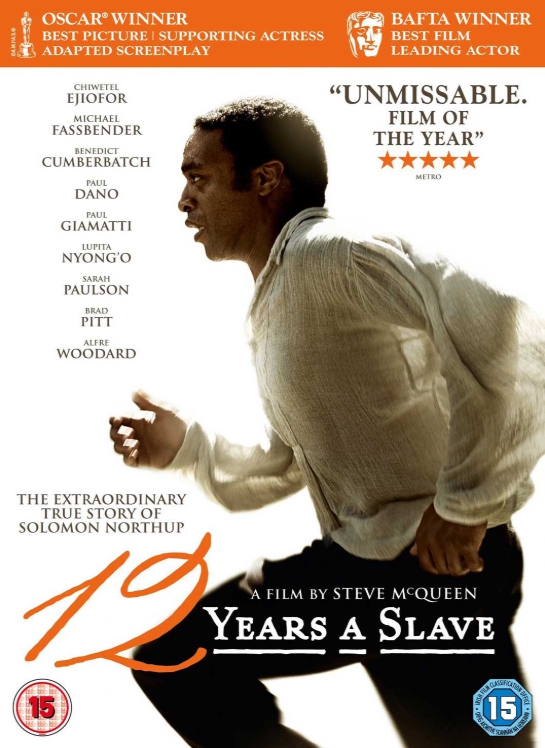
What the Film Is About
“12 Years a Slave,” directed by Steve McQueen, is a harrowing, emotionally intense account of one man’s forced descent into slavery and his enduring struggle for freedom and identity. Rather than simply chronicling historical trauma, the film focuses intimately on the personal and internal journey of Solomon Northup—a free Black man from New York who is kidnapped and sold into bondage. The film thrusts viewers into an unrelenting confrontation with injustice, suffering, and the resilience of the human spirit. At its core, the story is not merely about Northup’s attempted return to his rightful life, but about the psychological and moral toll of surviving a system that is designed to strip individuals of autonomy, dignity, and hope.
The central conflict revolves around Northup’s resistance against the dehumanizing machinery of American slavery, both externally and within himself. The narrative is a meditation on survival, adaptation, and the flickering possibility of hope when all seems lost. Through Northup’s ordeal, the film explores the larger societal dynamics that allow such cruelty to exist—and asks the audience to bear witness to both the brutality and courage embedded in this epoch.
Core Themes
“12 Years a Slave” is above all a meditation on the destructive force of institutionalized racism and the enduring quest for human dignity. The film rigorously interrogates the themes of power and dehumanization: it portrays how slavery systematically robs its victims not only of their freedom but of their identity and sense of self-worth. The balance between resistance and survival emerges as a primary concern—how can one maintain any sense of self or morality when faced with relentless, total subjugation? This tension also reflects broader themes of faith, endurance, and moral ambiguity.
The concept of identity looms large. Northup’s story challenges the audience to consider what it means to retain one’s identity under circumstances designed to erase it. The film also probes the relationship between individual suffering and collective history: Northup’s ordeal is both singular and emblematic of millions. The film’s release in 2013 was particularly resonant, coinciding with renewed conversations around race, memory, and historical accountability in the United States. These themes remain painfully relevant today, as societies continue to wrestle with the legacies of racism and the ongoing struggle for justice and recognition.
Beneath these, there is a philosophical reflection on complicity and morality: the film does not present evil as simple or monolithic, but as something sustained by the choices—rationalized or cowardly—of ordinary people. The characters who facilitate or endure the system of slavery are depicted with nuance, showing the gradations of cruelty, helplessness, rationalization, and small acts of courage or defiance.
Symbolism & Motifs
Throughout “12 Years a Slave,” the filmmakers employ a number of recurring visual and narrative motifs to reinforce the film’s themes. The motif of chains, ropes, and other restraints recurs—not only as literal instruments of bondage but as symbols of the psychological captivity enforced by slavery. The physical binding starkly visualizes the entrapment of the human spirit and the severing of Northup’s ties to his former life.
Landscape and nature function as a counterpoint to human savagery: lush Southern plantations and sunlit fields are shot with a beauty that contrasts violently with the atrocities they contain, underscoring the dissonance between the surface of American prosperity and its underlying violence. Music—especially Northup’s violin—appears as a motif representing both connection to his former self and the forced adaptation to his circumstances. His music becomes a tool of survival, a remnant of identity, and, at times, a source of pain, as it links him to a world he is violently denied.
Silent, lingering shots of characters’ faces—especially moments of quiet endurance, humiliation, or fleeting hope—emphasize the interior life of the enslaved. The motif of refusal to look away, both literally and figuratively, challenges viewers to confront suffering and moral responsibility.
Key Scenes
Key Scene 1
One pivotal scene involves Solomon Northup being forced to whip another enslaved woman, Patsey, at the behest of the sadistic plantation owner Edwin Epps. This scene is crucial to understanding the film’s message because it encapsulates the relentless pressure placed on the enslaved to participate in each other’s suffering. The scene’s grueling length and unflinching visual style compel both Solomon and the audience to confront the reality that, within such a system, cruelty becomes communal and inescapable—not only visited upon victims from above, but forced upon them by one another. The emotional devastation of this moment underscores the way slavery corrupts intimacy, conscience, and willpower, driving home the theme of lost agency and the dehumanization intrinsic to the institution.
Key Scene 2
Another defining moment arrives when Solomon asserts his identity as a free man to a sympathetic Canadian laborer named Bass. Risking everything, Solomon confides in Bass and asks him to help send word to his family. This scene marks a development in the film’s thematic core: after years of enforced silence and compliance, Northup seizes a fragile opportunity to voice his truth. It highlights the tension between hope and fear, as well as the courage required to trust strangers in a world rife with betrayal. By daring to claim his story and reach out for aid, Solomon reclaims a measure of agency—challenging the seeming inevitability of his suffering and illustrating the enduring power of hope and solidarity.
Key Scene 3
The final sequence, in which Northup is finally freed and must bid farewell to those still enslaved, delivers the film’s bittersweet culminating statement. It is both a personal triumph and a communal tragedy—Solomon regains his freedom, but the system that enslaved him endures. The silent goodbye to Patsey, in particular, encapsulates the film’s refusal of tidy resolution. Gratitude and sorrow are inseparable; individual survival never erases collective suffering. This moment crystallizes the film’s essential insight: true justice requires not only personal redemption but societal reckoning with historical wrongs.
Common Interpretations
Critics and audiences often interpret “12 Years a Slave” as a brutally honest confrontation with America’s original sin, commended for its unflinching realism and refusal to offer comforting illusions. The film is celebrated as an act of historical witnessing, attempting to counter centuries of sanitized or romanticized depictions of slavery in American media. Many see the film as a necessary corrective, contributing to ongoing dialogues about race, identity, and memory.
Others interpret the film primarily as a meditation on survival and the limits of resilience. Solomon’s journey is seen less as a singular narrative of escape and more as a universal story about the will to endure and the high price of hope. Some readings focus on the tension between victimhood and agency: although Northup is victimized, the film also honors his intellect, resolve, and dignity.
There are also interpretations emphasizing the film’s psychological dimensions—how slavery distorts both oppressors and oppressed. While consensus affirms the film’s moral clarity, debates persist about the emotional toll on viewers and the responsibilities entailed in representing such violence. Still, the most accepted readings emphasize the importance of bearing witness, historical truth-telling, and the personal stories that illuminate collective suffering.
Films with Similar Themes
- Schindler’s List (1993) – Explores the horrors of systemic dehumanization and the choices of conscience within a genocidal regime.
- Amistad (1997) – Also grapples with the realities and legal struggles of slavery, focusing on the fight for freedom by kidnapped Africans in 19th-century America.
- The Color Purple (1985) – Addresses the intersection of race, gender, and violence, chronicling survival and the reclaiming of identity within oppressive social structures.
- Roots (1977 miniseries) – Traces generational trauma and resilience under slavery, emphasizing the importance of heritage and memory.
Ultimately, “12 Years a Slave” is a film that refuses to shield its audience from historical atrocity, demanding engagement with the legacy and continuing resonance of slavery. It teaches that true recognition of human suffering—past and present—requires honest witnessing, collective accountability, and the honoring of individual stories within history’s grand and terrible sweep. By centering the personal within the political, the film becomes not just an account of survival, but an urgent call for empathy, remembrance, and justice.