
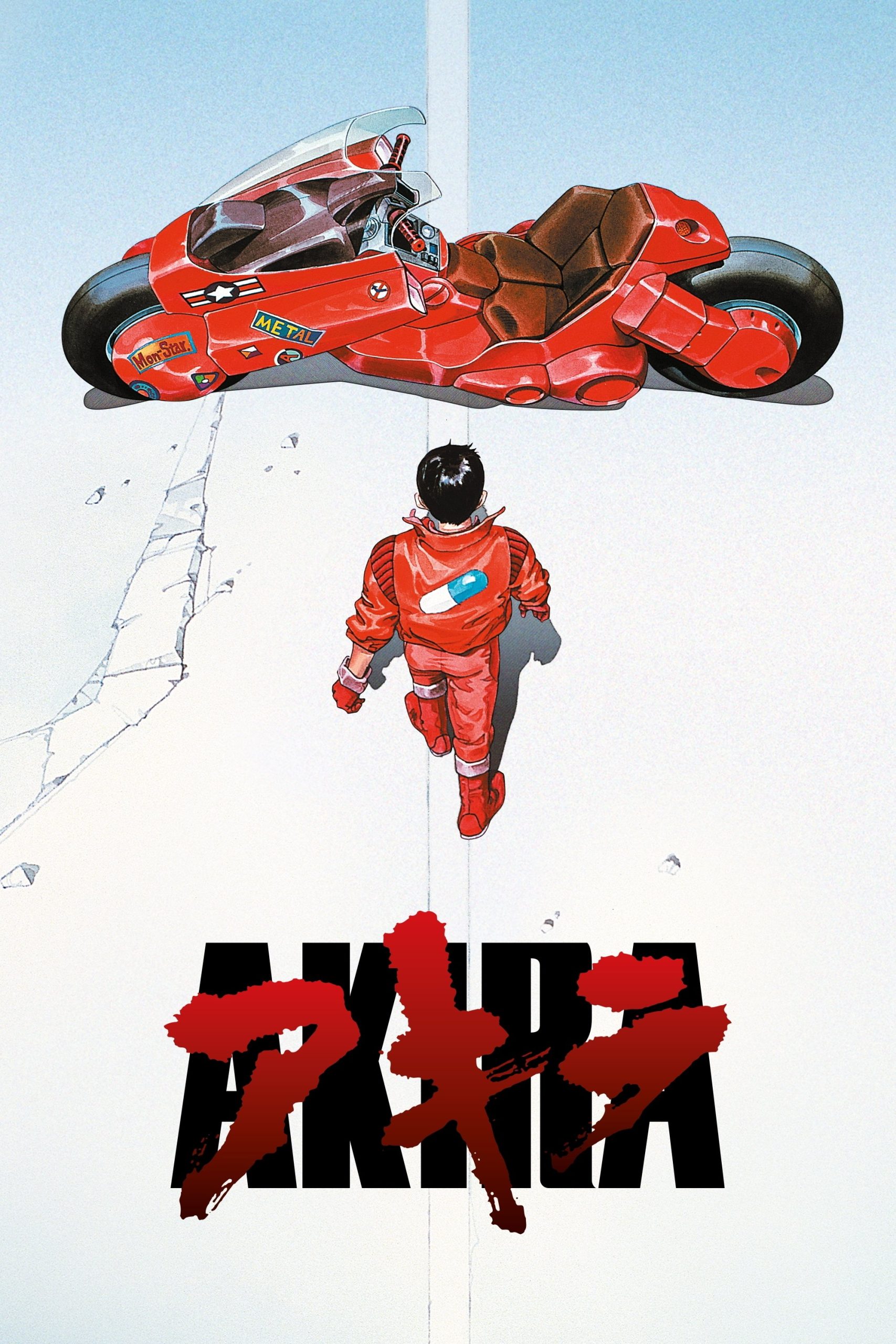
What the Film Is About
“Akira” (1988), directed by Katsuhiro Otomo, is a landmark in animated cinema, not for a straightforward narrative, but for its immersion into a near-future city teetering between technological progress and chaos. At the film’s emotional core are two childhood friends, Kaneda and Tetsuo, whose relationship unravels as one of them becomes corrupted by newfound power. The story unfolds in Neo-Tokyo—a city rebuilt after devastation—serving as both an emotional crucible and a political statement. The central conflict is not just between individuals, but between youth and authority, power and responsibility, and the collective trauma of a city haunted by the past yet on the verge of uncontrollable transformation. The film propels its audience through a journey of alienation, rebellion, and an ever-escalating quest for identity and meaning amidst societal collapse.
Core Themes
“Akira” is a dense tapestry of themes, most notably the dangers and allure of unchecked power. The film scrutinizes the psychological effects of sudden empowerment on youth, using Tetsuo as an allegory for adolescent rage, trauma, and the wish to assert agency in a world that marginalizes the young. At the same time, it poses profound questions about science, progress, and the ethical responsibilities that come with them.
The exploration of authority versus rebellion is woven throughout, as biker gangs clash with militarized government forces in a world still haunted by the specter of urban destruction. Neo-Tokyo becomes a microcosm for post-war Japanese anxiety—anxieties about nuclear power, state control, and repressed history. The film’s discussion of the cyclical nature of violence remains pertinent, resonating with both contemporary and modern audiences. These dilemmas—about the cost of progress, the potency of trauma, and the burden of the past—remain enduring because societies continually grapple with rapid technological and social upheaval. “Akira” thus echoes deep anxieties of its era, while still provoking reflection on power, loss, and identity today.
Symbolism & Motifs
Otomo’s film is saturated with symbolism and layered visual motifs. The recurring image of the crumbling cityscape is not merely a backdrop, but a metaphor for the psycho-social fragmentation experienced by its young inhabitants. The omnipresent neon and urban sprawl are reminders of both progress and alienation—a city aglow with promise but rotting at its core.
The motif of transformation—whether biological, psychological, or architectural—signals change that is violent, often uncontrollable. Tetsuo’s explosive psychic awakening serves as both a literal and figurative metamorphosis, evoking themes of mutation, puberty, and the unpredictability of human potential. The iconic red motorcycle is more than a symbol of rebellion; it embodies speed, freedom, and resistance against an oppressive order. Conversely, the military’s cold technology and clinical laboratories illustrating failed attempts at managing or containing emergent power speak to the limits of control.
Children also appear as haunting symbols—those involved in the secret government experiments are aged in body but suspended in childhood, representing innocence corrupted by institutional violence. Lastly, the omnipresent motif of light—both the literal explosions and the metaphysical psychic energy—suggests transformation, apocalypse, and renewal, all intermingled in Neo-Tokyo’s destiny.
Key Scenes
Key Scene 1
One of the most iconic sequences is the moment when Tetsuo, suffering from headaches and hallucinations after his initial encounter with a mysterious esper, lashes out with his nascent psychic abilities. This scene is crucial because it transforms Tetsuo from a subordinate figure to a being who no longer fits within the social hierarchy, setting the stage for his descent. The emotional intensity crystallizes the film’s anxiety over the volatility of untapped potential and the perilous awakening of power, especially among those never afforded agency. Tetsuo’s suffering becomes emblematic of youth lashing out in confusion and pain when denied recognition or support.
Key Scene 2
Another powerful moment arrives when Kaneda confronts Tetsuo during the city’s breakdown. The battle between the two, rendered in explosive, kinetic animation, stands not simply as a clash between friends turned adversaries, but as a larger allegory about the conflict between community and individual will. Kaneda’s attempts at reason and Tetsuo’s erratic retaliation highlight the theme of loyalty contrasted with the corrosive effect of power without boundaries. The scene lays bare the difficulties of understanding, forgiveness, and the scars left by betrayal and trauma, both personal and societal.
Key Scene 3
The film’s climactic sequence, in which Tetsuo’s powers spiral beyond control, culminating in an apocalyptic transformation, is the crux of “Akira’s” meditation on the dangers of unrestrained ambition and the human tendency to overreach. This moment is not only visually spectacular but also symbolically dense: Tetsuo’s mutation overtakes both his body and the city, a visceral expression of personal pain radiating outward and enveloping society at large. The scene’s culmination, with a suggestion of rebirth or renewal amidst devastation, proposes that out of destruction, new beginnings—however uncertain—may emerge. The film resists easy catharsis, instead questioning the cycle of destruction and renewal central to both its characters and its setting.
Common Interpretations
“Akira” has been widely interpreted as a parable of postwar anxieties in Japan, with many critics pointing to its resonance with the trauma of Hiroshima and Nagasaki—urban destruction followed by rebirth, but always haunted by the fear of repeating past mistakes. The psychic powers unleashed in the film are seen as metaphors for nuclear energy and science ungoverned by morality or foresight. Some readings emphasize generational conflict, seeing the film’s youth rebels as indictments of adult authority unable to comprehend or guide the next generation.
Others view the film as a commentary on the instability of identity in a rapidly modernizing society, with Tetsuo’s metamorphoses mirroring both physical and psychological transformation during adolescence. The cyclical nature of violence and creation—the city’s destruction and repeated attempts at control—invite interpretations about whether society can truly learn from its errors or is doomed to repetition. While some audiences see a nihilistic undercurrent, others take solace in the film’s ambiguous ending, interpreting it as the glimmer of hope for transcendence or renewal after collapse.
Films with Similar Themes
- Blade Runner (1982) – Both films explore urban dystopias, questions about humanity’s future, and the ethical limits of scientific experimentation.
- Ghost in the Shell (1995) – Shares themes of identity, technological enhancement, and the integration (or conflict) between human consciousness and technological progress.
- Neon Genesis Evangelion: The End of Evangelion (1997) – Like “Akira,” it wrestles with the impact of trauma, the dangers of unchecked power, and apocalyptic transformations both personal and global.
- Children of Men (2006) – Examines societal breakdown, lost generations, and the hope for renewal after the collapse of order, set in a richly detailed dystopian setting.
Ultimately, “Akira” stands as a profound meditation on power—its seduction, its dangers, and the chaos it can unleash. The film warns of the consequences of unresolved trauma, unchecked authority, and suppressed ambitions. Yet, it also suggests the possibility of rebirth: that out of crisis, there may emerge new possibilities, even if they are shrouded in uncertainty. At its heart, “Akira” is a mirror held up to its era and ours, reflecting enduring fears about modernity, technology, and the human psyche’s struggle for meaning in a fractured world.
🎬 Check out today's best-selling movies on Amazon!
View Deals on Amazon