
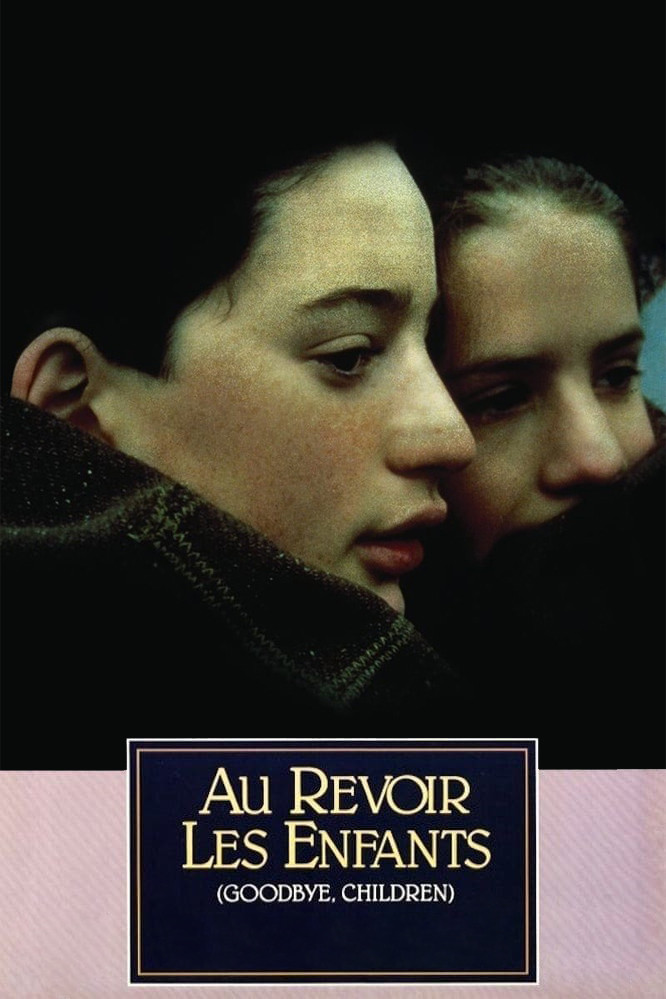
What the Film Is About
The first time I watched “Au Revoir les Enfants,” I felt as if I was being drawn into a faded memory, seen through the quietly observant eyes of a child. What resonated with me wasn’t just the historical setting or the implicit danger lurking at the edges of each frame, but the deeply personal, interior conflict I sensed running alongside the larger, violent currents of World War II. At its core, I found this film to be about the innocence of youth colliding with the cruel realities of a fractured world—a journey that leads to an irreversible loss, one that feels all the more poignant because it’s so intimate and so real.
Rather than focusing on the machinery of war, “Au Revoir les Enfants” chooses to trace the coming-of-age of two boys in a strict Catholic boarding school, forcing me as a viewer to confront the emotional landscape they traverse. It’s a story about forbidden friendship, the discovery of secrets, and the abrupt end to childhood illusions. Every moment felt charged with the uncertainty and vulnerability that rise from living in a world defined by suspicion and silence. For me, the most striking element is the subtle way the film builds empathy—how it quietly asks us to step into the shoes of children standing on the threshold of adulthood, caught between loyalty, conscience, and the demands of survival.
Core Themes
One of the themes that struck me the strongest was the way the film handles memory—not merely as a recollection of events, but as an enduring ache, a touchstone of regret and responsibility. I felt the film was steeped in remorse over what was lost, and that it uses memory to interrogate complicity in an era rife with betrayal. The pain of remembrance lingers in every conversation and hesitant glance among the students, mirroring director Louis Malle’s own autobiographical experience. What moved me was the recognition that this isn’t just a narrative about two boys, but also a meditation on the ways ordinary people are forced into impossible moral choices.
Another core theme I found compelling is the tension between innocence and guilt. I was reminded constantly of how the film uses the sheltered environment of the boarding school to highlight the slow, insidious encroachment of outside forces—the way prejudice, fear, and violence slowly corrupt what should be a sanctuary. The boys’ protected daily routines begin to crack as scapegoating and suspicion seep in, rendering the concept of safety little more than an illusion.
I also see “Au Revoir les Enfants” as a profound meditation on friendship under pressure. The relationship between Julien and Jean is tender and complex; their growing trust exists within a context where even small truths carry dire consequences. The idea of loyalty is tested repeatedly, and in my view, the film keenly observes how innocence can unravel not just through outside catastrophe but also through minor betrayals—sometimes born of ignorance, sometimes of fear.
The film’s dedication to moral ambiguity left a lasting impression on me. There’s no tidy division between good and evil here; instead, ordinary people act out of self-preservation, pride, or confusion. Released in the late 1980s, the film’s quiet indictment of complicity and silence mirrored ongoing conversations in France about wartime collaboration—a topic that still has relevance, in my opinion, as societies reckon with histories of injustice and responsibility. Even now, that sense of uneasy accountability feels painfully current.
Symbolism & Motifs
As I reflected on the film’s many layers, I kept coming back to its subtle but persistent use of symbols and motifs. Catholic imagery permeates nearly every scene, from the rituals of mass to the confessional, underscoring the theme of moral reckoning. These moments aren’t just background detail—they reinforce the ethical questions that haunt both the students and the adults around them. To me, the church is less a shelter than a silent witness to injustice, its authority ambiguous and its comfort incomplete.
Doors recur throughout the film, and I’ve come to see them as more than just part of the setting. They’re boundaries—sometimes protective, more often ominous. Closed doors represent secrecy, while open ones can signal both danger and revelation. The act of crossing a threshold is rarely neutral here; it nearly always brings the threat of exposure. The motif of hiding—under bedsheets, behind false names, in secret rooms—acts as a recurring reminder of vulnerability, especially for those who have the most to lose.
Another recurring motif I noticed is silence. The film is full of conversational gaps, muffled footsteps, and knowing glances. These silences speak volumes, articulating the things that cannot be said aloud—the compassion, the fear, the moral dilemmas each character faces. The world outside may be roaring with violence, but within the school there’s a quieter, psychological peril that felt even more immediate to me. This silence also functions as complicity: every pause says as much about what is hidden as what is revealed.
Winter itself becomes a powerful symbol throughout the film. The ongoing cold, the bare trees, and the constant grayness all contribute to a sense of isolation and dormancy. This isn’t just a matter of physical discomfort; the chill mirrors the spiritual and emotional frost enveloping both the boys and the adults who are supposed to care for them. The setting reminded me of how trauma and anxiety can freeze people in place, paralyzing moral action.
Key Scenes
Key Scene 1
For me, one of the most crucial scenes comes when Julien discovers Jean’s secret. The revelation isn’t accompanied by melodrama or confrontation; it plays out almost wordlessly, a small act of recognition framed by uncertainty and reluctance. I found this moment to be vital because it shatters the illusion of normalcy that’s been so meticulously maintained. It resonates with me as a depiction of the moment when innocence meets knowledge, and with it, the realization of grave stakes. This is where the film’s underlying anxiety crystallizes: suddenly, friendship isn’t just a personal bond but a potential act of subversion. The emotional charge here lies in the look exchanged between the two boys—honesty meeting fear, both aware that this truth will fundamentally change their lives.
Key Scene 2
Another pivotal moment, in my interpretation, is the communal meal scene. Surrounded by the other students and teachers, the food rationed and the atmosphere subdued, I could sense the mounting pressure and unspoken hierarchies at play. The innocuous act of sharing or withholding food becomes a microcosm of the larger social dynamics outside the school. In this intimate setting, petty rivalries and small acts of kindness take on exaggerated significance, revealing who feels powerful and who remains vulnerable. What struck me most is how this scene quietly unpacks the compromises required to navigate an environment governed by scarcity and suspicion. The boundaries between solidarity and self-preservation begin to blur, hinting at the bigger moral compromises forced upon individuals under pressure.
Key Scene 3
The final key scene that stayed with me is the arrest sequence. I felt it served as the film’s full-throated statement on the cruelty of the era and the profound consequences of fear. The abrupt intrusion of violence into the boys’ cloistered world occurs with chilling immediacy; I watched as the slow burn of tension reached its breaking point. Here, silence gives way to chaos, and the consequences of earlier actions—whether born of innocence or indifference—are rendered brutally tangible. In my view, this is the moment where guilt and grief are indelibly imprinted on Julien’s consciousness. It’s a crucible, fusing his formative experiences into a memory that the film positions as both an individual tragedy and a collective indictment.
Common Interpretations
What has always fascinated me about “Au Revoir les Enfants” is the range of interpretations it has inspired. Many critics have viewed it as a quietly devastating analysis of growing up during wartime, with the boarding school functioning as a microcosm of French society under occupation. I’ve read accounts that frame it primarily as a lament for lost innocence—both the literal innocence of childhood and the national innocence erased during the Vichy era.
Others, particularly in France, have interpreted the film as a reckoning with the country’s own past, addressing the collective guilt and complicity that haunted postwar consciousness. I can see how the muted tone of the film, its refusal to paint its characters as purely heroic or villainous, aligns with this interpretation: it’s not an accusation, but an act of mourning and an invitation to reflect. As a viewer, I find myself returning to the film not to condemn its characters, but to understand the crushing ambiguity they endured.
There are also those who emphasize the universality of its themes. I share this perspective, believing that the film speaks just as powerfully to any context where innocence is endangered and moral courage is complicated by real fear. The specificity of the story gives it texture, but the emotions—shame, longing, regret—are, for me, perfectly legible in any time and place. Even decades after its release, I find that the film persists precisely because it refuses easy answers, inviting every viewer to interrogate their own ethical boundaries.
Films with Similar Themes
- Schindler’s List (1993) – I see a link in the way both films explore complicity and moral awakening during the Holocaust, though they differ dramatically in scale and tone.
- Empire of the Sun (1987) – This film’s focus on a child’s loss of innocence during war closely echoes the emotive transition at the heart of “Au Revoir les Enfants.”
- Hope and Glory (1987) – I find that both films approach the bewildering experience of war from a child’s perspective, blending personal memory with historical trauma.
- The White Ribbon (2009) – I’m struck by the use of a rural setting to examine how social pressures and hidden cruelties can corrode innocence—another meditation on formative trauma in youth.
For me, “Au Revoir les Enfants” ultimately offers a quietly shattering reflection on the fragility of conscience and the irrevocability of loss. What lingers isn’t just the pain of one boy’s farewell, but a deeper meditation on how ordinary lives are shaped—and sometimes broken—by the violence of history. The film grieves for what was lost not just at a specific time and place, but across generations. I left the film reminded that the most devastating betrayals are often the quietest, and that the call to remember is, in itself, an act of resistance against forgetting. Through its careful, almost gentle lens, I believe the film invites every viewer to weigh their own capacity for loyalty, compassion, and regret amidst the foreshortened horizon of childhood.
If you’re deciding what to watch next, you might also want to see how this film holds up today or how it was originally received.
🎬 Check out today's best-selling movies on Amazon!
View Deals on Amazon