What the Film Is About
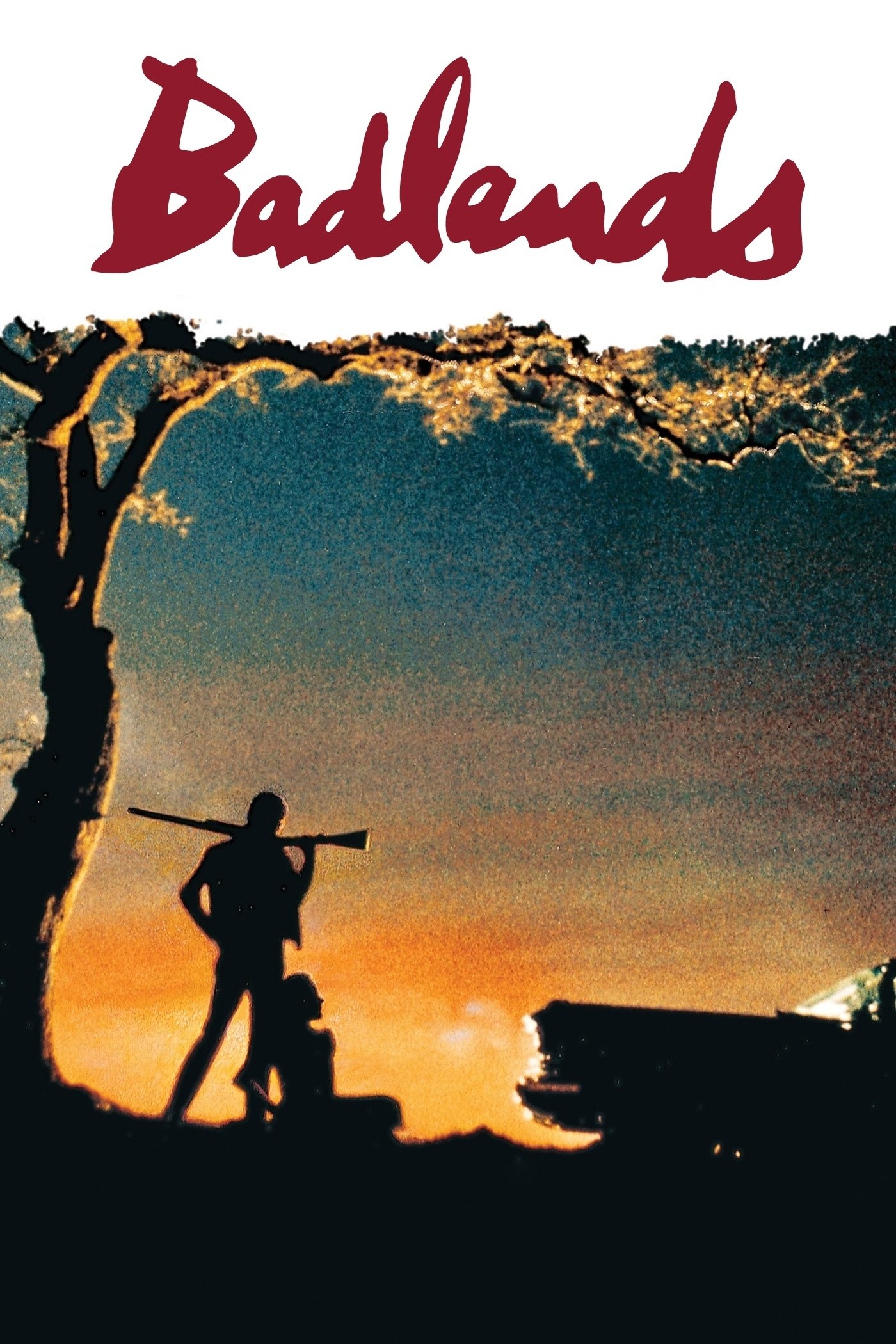
I’ll never forget my first viewing of Terrence Malick’s 1973 feature, “Badlands.” I didn’t walk away with a clear-cut moral lesson or easy answer—if anything, the experience left me wrestling with its emotional contradictions for days. To me, the film traces the disquieting emotional passage of two young people drifting together through violence and romantic delusion in the American heartland. It inhabits that uneasy space between love story and detached observation, where tenderness bleeds into cruelty, and innocence is quietly contaminated. The narrative itself almost floats—there’s an inevitability, a haunting sense that the film is less about what happens than how its characters feel as they spiral further from the world’s conventions, adrift in their own strange dream.
For me, what lies at the film’s center isn’t just the obvious tragedy or the criminal spree. Rather, it’s about the search for meaning in an indifferent landscape. Both Kit and Holly, in their own twisted way, are reaching for significance—yearning to grant their empty, everyday lives a grander, even mythic shape. Rather than painting them as mere villains or victims, the film lingers in the uncertain spaces of their longing, confusion, and alienation. I find this tension—between the banality of their actions and the magnitude of their desires—utterly hypnotic, and deeply unsettling.
Core Themes
What still fascinates me about “Badlands” is how effortlessly it laces together several core ideas—disconnection, mythmaking, and the failure of the American dream chief among them. I see Kit and Holly’s aimless violence as rooted in a kind of existential emptiness, a yearning to escape their dreary environments. There’s no straightforward villainy; instead, I detect a profound detachment from the consequences of their actions. The film seems to be asking whether violence becomes more likely when lives are stripped of meaningful connection, guidance, or belief. This question felt all the more urgent when I remembered the context of the film’s release in the early 1970s—post-Vietnam War, amid political distrust and shifting social mores in America, it’s as if Malick holds up a mirror to a fractured nation grasping at purpose.
Another thread that resonates for me is the myth of romantic rebellion. Kit, in particular, wants to cast himself as a mythic outlaw, borrowing the cool mannerisms of James Dean or other pop-culture icons. I’m struck by how the film intentionally withholds any genuine romance between Kit and Holly—their connection is tinged with naiveté and confusion, not grand passion. In my view, “Badlands” examines how people construct elaborate stories—about themselves, about love, about glory—even as reality crumbles underneath. The movie’s vision of love is both intoxicating and deeply hollow: a desperate attempt to stitch together identity from the imagery of magazines, radio, and Hollywood.
Beneath all this, I can’t help but see “Badlands” as an indictment of indifference—a picture of what happens when empathy fails, when cultural touchstones ring false, and when the landscape itself offers no solace. For me, these themes still echo in our own time. The film looks at how people become disconnected not only from society, but from themselves. Today, that emotional alienation, and the lure of destructive romantic narratives, are as vital and troubling as ever.
Symbolism & Motifs
I love how Malick, even in his debut, finds poetry in the ordinary. The symbols in “Badlands” aren’t heavy-handed, but their quiet repetition creates an atmosphere thick with suggestion. The ever-present American landscape—the wind rushing through long grasses, trains cutting through vast, empty plains—serves as an ongoing reminder, to me, of how Kit and Holly are both dwarfed and liberated by their surroundings. The land is indifferent, as unfeeling as the young couple’s own emotional numbness, and I always feel the weight of that as their narrative unfolds.
Matches and fire flare up throughout the film. Kit lights fires not only as acts of vandalism or destruction, but also, I believe, as a twisted assertion of control—a way of asserting his own narrative against the void. Holly’s diary, another motif, frames the story from an almost childlike remove, allowing me to witness events filtered through a haze of fantasy, detachment, and willful misunderstanding. It’s this dissonance—the jarring gap between Holly’s flowery narration and the cruelty she witnesses—that I find most compelling.
I’m especially drawn to the motif of pop music on the radio and the fairy-tale musical theme (the adaptation of “Gassenhauer” by Carl Orff). It lends the violence an eerie innocence, as if Kit and Holly are starring in their own storybook adventure—a chilling reminder, to me, of how stories and reality can diverge disastrously. The plain, everyday objects that pepper their journey—burger wrappers, a stolen car, a modest dress—become quietly loaded with irony and lost longing. The effect is cumulative: by the film’s end, I feel both the weightlessness of fantasy and the crushing reality of its consequences.
Key Scenes
Key Scene 1
The moment when Kit shoots Holly’s father still lingers with me—not for the act itself, but for its eerie, almost casual presentation. There’s no melodrama, no messy breakdown; it feels as if Kit is acting out a script that’s been written for him by some unseen hand. What strikes me is Holly’s numb response. Rather than insight or despair, there’s only a kind of slack-jawed resignation. This scene sets the tone: violence erupts with little warning, and the emotional aftershocks are muffled, almost anesthetized. For me, this pivotal event isn’t about the act of murder, but the terrible void into which it falls. It’s the film’s way of arguing that sometimes the most horrifying acts are those greeted with silence, not outrage.
Key Scene 2
Later, the lovers build a makeshift treehouse deep in the woods—a fantasy of domestic bliss and innocence, sealed off from the judgments of society. I couldn’t help but see this as equal parts childhood daydream and desperate denial. The environment is almost magical; Kit and Holly attempt to become Adam and Eve, starting their world anew. Yet, for all the sun-dappled beauty, an underlying sense of unreality gnaws at everything. The illusion soon gives way to further violence and displacement. Reflecting on this, I see Malick weaving a powerful metaphor: attempts at innocence can’t erase what’s already been done, and self-made utopias built on denial must inevitably collapse.
Key Scene 3
Near the end, as Kit is finally apprehended, there’s an unsettling shift. Rather than defiance, Kit seems to relish the minor celebrity bestowed upon him by the police and press. To me, this is the final inversion—he becomes a mirror for American fascination with outlaw myth, soaking in attention as if he’s finally achieved a fleeting kind of meaning. Holly’s detachment persists as she slips into the background, her narration as vague and unmoored as ever. I read this scene as the film’s bleak closing statement: when lives are shaped more by media fantasy than by authentic feeling or responsibility, even real pain can be watered down into spectacle and emptiness.
Common Interpretations
Whenever I speak with other viewers or revisit critical essays, I notice several patterns in how “Badlands” is interpreted. Many see it as a meditation on American violence—a century-old lineage stretching from Western outlaws to the contemporary malaise of the post-1960s era. There’s a consensus that the film doesn’t simply glamorize its protagonists, but rather holds up their emptiness as a kind of warning or lament. Critics often point out the disconnect between Holly’s storybook narration and the cruel reality, reading it as commentary on how myth can erode empathy or foster delusions.
Others highlight the existential dimension. I resonate with those who see Kit and Holly less as individuals and more as archetypes of American alienation: products of a fractured culture, orphaned from any genuine connection or moral anchor. The film’s cool, almost anthropological gaze seems to invite viewers to observe without judging, implicating us in the strange allure of the spectacle.
There’s also debate about Malick’s stance toward his protagonists. Some believe he withholds judgment to force us into the unsettling position of bystander; others argue that the distance allows us to see how easily media narratives can transform brutality into entertainment. For me, the ambiguity is exactly the point—”Badlands” suggests, rather than asserts, leaving the final moral reckoning in the audience’s hands.
Films with Similar Themes
- Bonnie and Clyde (1967) – I find a clear parallel in how both films examine romantic rebellion and the allure of the outlaw life, exposing how violence and glamour can become dangerously fused in the American imagination.
- Natural Born Killers (1994) – This film picks up the legacy, delving deeper into the nexus of crime, media spectacle, and the dissolution of identity, echoing “Badlands” with its critique of celebrity and moral confusion.
- True Romance (1993) – While stylistically different, it too explores young lovers on the run. The narrative dissects the fantasy of love as escape, with dangerous consequences, much like what I see in Malick’s world.
- Gun Crazy (1950) – I can’t watch “Badlands” without thinking of this noir classic, where romantic obsession and criminality lock together, exposing the volatility beneath the American dream.
When I gather my impressions of “Badlands,” I’m left with a sense that the film is less interested in diagnosing evil or romanticizing renegade youth than it is in unmasking the vacuum at the heart of certain American myths. Malick’s vision, as I interpret it, insists that alienation, when coupled with emotional emptiness and media fantasy, can produce a uniquely modern form of violence—quiet, almost banal, deeply unsettling. The film leaves me with the uncomfortable notion that, even in a landscape of endless horizon, freedom is never simple; meaning, if it comes at all, must rise from genuine connection, not borrowed fantasy.
If you’re deciding what to watch next, you might also want to see how this film holds up today or how it was originally received.
🎬 Check out today's best-selling movies on Amazon!
View Deals on Amazon