
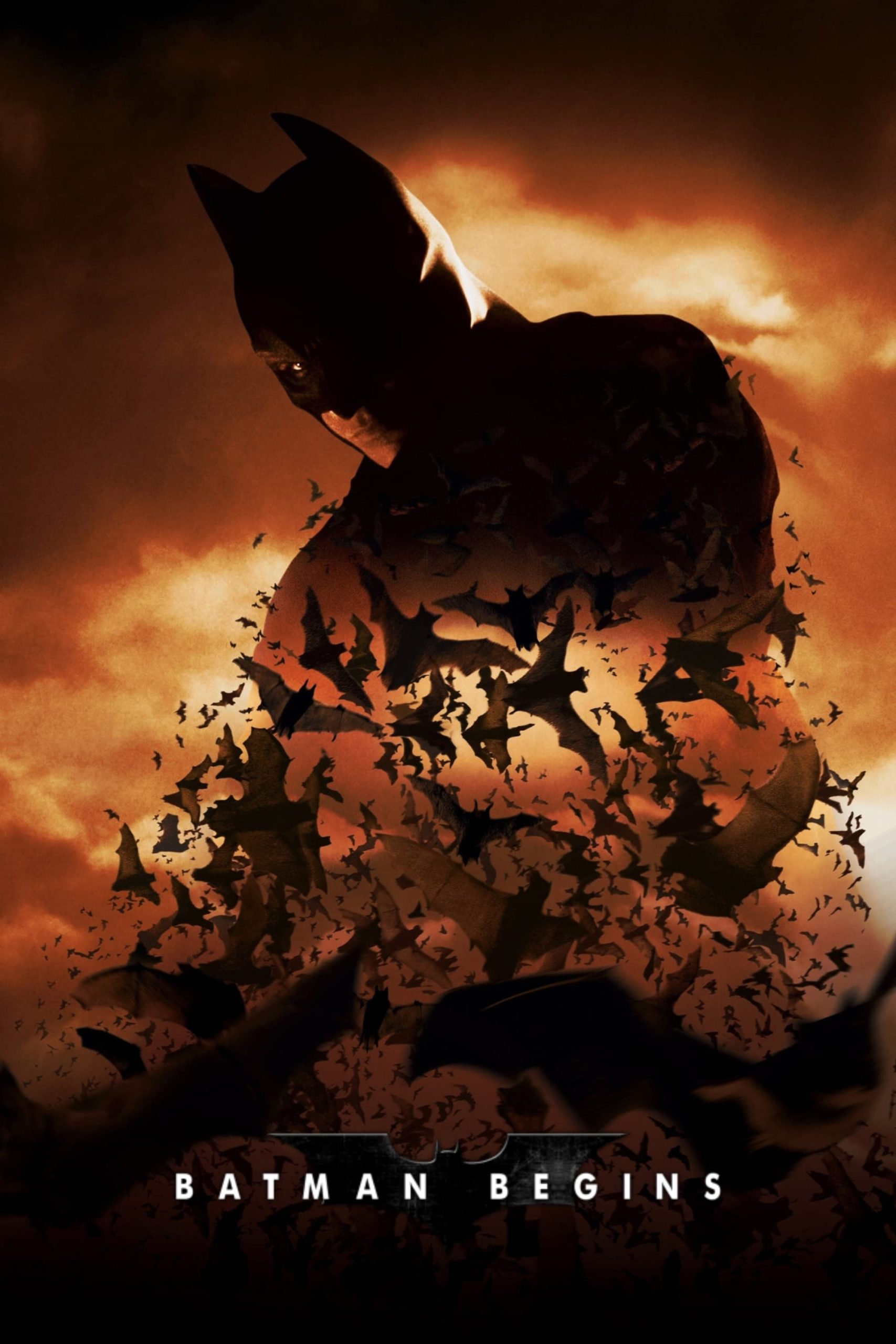
What the Film Is About
When I remember watching Batman Begins for the first time, I recall being immediately struck less by the cape and cowl than by the depth of inner turmoil pulsing beneath them. To me, this film is not simply a superhero origin story, but a raw meditation on the nature of fear, responsibility, and, above all, self-invention. The emotional journey, as I experienced it, is that of a traumatized child who—rather than succumbing to despair—transforms his pain into purpose, using it to challenge not only the criminals threatening his city but the very darkness within himself.
At its core, I felt the film charts the struggle to balance hope and cynicism, to answer the question of whether one person can truly make a difference in a world riddled with corruption and loss. The central conflict isn’t merely between protagonist and villain; instead, it plays out as a persistent wrestling match within the psyche of its main character. This tension—between the urge for vengeance and the desire for justice, between secrecy and connection—drives the narrative forward, lending it an intensity that transcends the genre’s typical boundaries.
Core Themes
What I found most compelling in Batman Begins is its thorough excavation of fear. For me, fear is treated as both antagonist and catalyst—an enemy that debilitates but, paradoxically, also a resource that can be harnessed. I interpret the film’s core as an exploration of the question: do we allow fear to define us, or do we redefine ourselves in spite of it? This theme isn’t just a personal one for Bruce Wayne—it extends, in my reading, to the city of Gotham itself, a society gripped by apathy, decay, and moral exhaustion. The film repeatedly asks whether meaningful change is possible.
Another idea that resonated with me is the tension between justice and revenge. Batman Begins lingers on the difference between retributive violence and the relentless pursuit of a higher good. I’m struck by how the film suggests that true heroism doesn’t arise from anger, but from the discipline to rise above it. There’s also the persistent theme of dual identity—how we wear masks, publicly and privately, and how these personas both protect and imprison us. I sense echoes of classic existential questions: Who am I beneath the expectations of the world? What is worth sacrificing for the sake of principle?
For its time, I remember how fresh the film’s engagement with social decay and institutional corruption felt. In the early 2000s, amid global uncertainties and widespread skepticism toward authority, Batman Begins struck a chord by depicting the fight against systemic rot as both a personal and collective challenge. Even now, the underlying call for resilience, integrity, and restorative action feels pointedly relevant, reminding me that these are not dilemmas unique to Gotham, but reflective of our ongoing struggles with cynicism, fear, and the daunting prospect of change.
Symbolism & Motifs
In my experience, the language of Batman Begins is heavy with symbolism. The bat, most obviously, is transformed from a source of phobia into a personal emblem—a powerful metaphor for owning, and even weaponizing, your greatest vulnerabilities. The film’s repeated use of caves and shadows, to me, isn’t mere Gothic flourishment; I see it as the visual staging of descent into the subconscious, the confrontation with repressed trauma and internal darkness. Emerging from these literal and metaphorical depths signals renewal and rebirth—a ritualistic purification.
I also notice how the film returns, again and again, to themes of masks and theatricality. The way Bruce crafts his alter ego is, as I see it, a deliberate performance: he becomes an idea that can haunt and motivate. This motif reinforces the notion that symbolic gestures can galvanize action and disrupt cycles of apathy, both in the city and within the self. I’m reminded here of the recurring motif of machinery—the fusion of technology and myth that turns Batman into more than human, yet also suggests the limits and potential dangers of relying too much on external tools.
Finally, water and weather serve as dynamic elements throughout the film. The precipitation and gloom that shroud Gotham are not merely atmospheric but, to me, evoke a sense of spiritual barrenness. When the city is overwhelmed by toxins and fear, the environment itself appears to convulse in tandem. Moments of light—subtle but meaningful—break through at key moments, hinting at the fragile hope that persists even at Gotham’s darkest hour.
Key Scenes
Key Scene 1
When I think about crucial moments, the trial scene—the one where Bruce confronts the man responsible for his parents’ death—stands out as foundational to the film’s moral architecture. This moment is not important merely for its narrative turn, but for how it plunges Bruce (and, vicariously, me as a viewer) into the ethical chasm between vengeance and forgiveness. His inability to go through with retributive violence, coupled with the shocking outcome of the scene, exposes the hollowness of revenge and forces him to question what, if anything, can fill the void left by traumatic loss. For me, it’s a clarifying moment that reframes the quest for justice as something far more complex than simple payback.
Key Scene 2
For a deeper look at the character’s core, I dwell on the conversation between Bruce and his mentor, where he’s challenged to face his greatest fears head-on. This sequence is suffused with not just philosophical weight but emotional vulnerability. Their dialogue reveals, to me, that true strength is not about denying fear, but acknowledging it and moving forward regardless. The mentor’s push toward radical action is what precipitates Bruce’s eventual rebellion—against his own limitations, against dogmatic thinking, and, most crucially, against a simplistic world view. I interpret this as a challenge to break free from inherited beliefs and to forge a moral path no one else can dictate.
Key Scene 3
The climactic confrontation on the elevated train, in my reading, crystallizes the film’s ultimate statement about means and ends. Here, Bruce must decide not only whether to stop Gotham’s destruction, but also how to do it—what lines he will or will not cross. I find this pivotal less for the explosive action and more for the controlled assertion of self-mastery: a refusal to kill, but also a refusal to rescue those who would annihilate the city. The scene leaves me pondering the ethics of detachment versus engagement, justice versus mercy, and whether any hero can remain untarnished by the compromises their world demands. It’s a moment of paradox—compassion entangled with hardness—and it resonates as the logical endpoint to the film’s persistent questions about identity and morality.
Common Interpretations
When I’ve discussed Batman Begins with fellow viewers and reflected on critics’ essays, I’m always struck by the common recognition that this isn’t a simple story about heroics. A frequently cited reading centers on the motif of fear as both prison and key—as the force that shapes, and ultimately liberates, Bruce Wayne. Some, like me, interpret the film as a contemporary myth designed to inspire ethical action in a cynical age; others read it as an indictment of the failed systems that create vigilantism in the first place. There are debates about whether the film upholds or critiques the idea of an individual savior; I personally see it as a complex meditation on the limits of individual heroism, insisting that heroics must eventually give way to communal renewal.
There’s also a thread among interpreters who see Batman Begins as a response to post-9/11 anxieties—suggesting that Bruce Wayne’s vigilantism represents an ambivalent response to a world rocked by insecurity and the urge to control chaos at all costs. While I find elements of this reading persuasive, I think the film’s deeper concern is our everyday struggle to reconcile trauma with hope, to use pain as fuel for constructive transformation instead of vengeance or nihilism. The ambiguity in whether Batman’s methods are just or simply expedient is, to me, what keeps the film fascinating and open to ongoing reflection.
Films with Similar Themes
- V for Vendetta (2005) – I see clear thematic links here, especially in the use of a masked persona as a symbol to galvanize a frightened, apathetic society into action and self-examination.
- Spider-Man 2 (2004) – This film, in my view, contends with the personal costs of heroism, the burden of dual identities, and the pull between individual happiness and social responsibility.
- The Dark Knight (2008) – While distinct in tone and complexity, it extends many of the psychological, philosophical, and ethical debates found in Batman Begins, particularly around chaos, principle, and escalation.
- Unbreakable (2000) – I find its exploration of ordinary people confronting extraordinary destinies and the ambiguities of good and evil to echo the more existential threads of Batman Begins.
Ultimately, what I take away from Batman Begins is its insistence that meaning isn’t inherited, but constructed—painfully, imperfectly, and often alone. The film, for me, argues that facing one’s demons is neither a solitary victory nor a final solution, but part of an ongoing negotiation with fear, memory, and hope. In the era of its release—a time of widespread doubt in institutions and growing appetite for personal transformation—I found the film’s honesty about struggle, its provisional optimism, and its acknowledgement of frailty to be both sobering and electrifying. Above all, it poses the challenge: Will you be ruled by your fears, or will you repurpose them into something greater? That question, to my mind, is the heart of the film’s enduring power and relevance.
For more context before choosing your next film, these perspectives may help.
🎬 Check out today's best-selling movies on Amazon!
View Deals on Amazon