
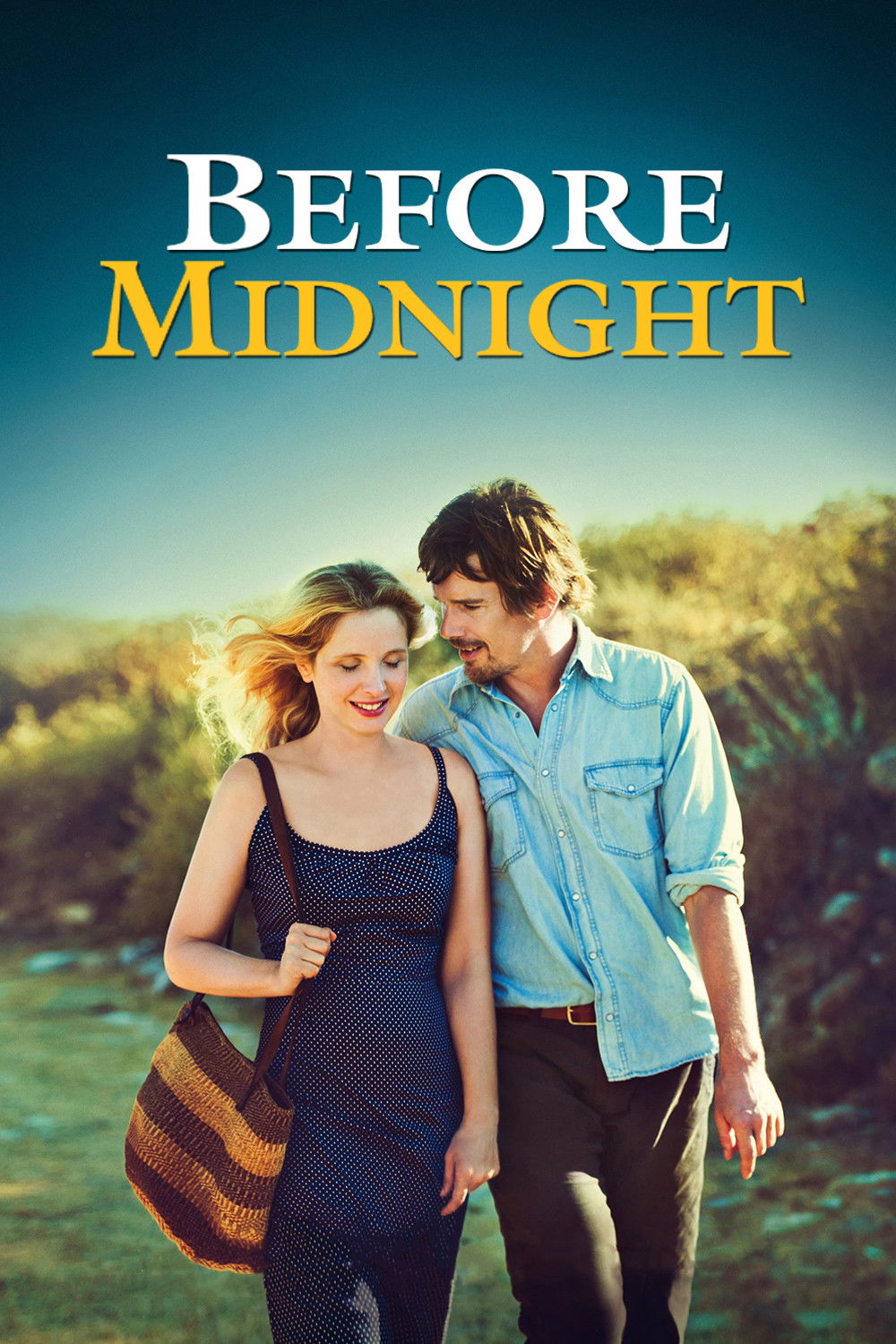
What the Film Is About
There’s a particular ache that settles in when I revisit “Before Midnight”—an ache rooted not in loss or longing, but in the raw, unvarnished exposure of what it means to sustain love through the passage of time. For me, the film doesn’t mask the friction of everyday life with romantic gloss. Instead, it offers an intimate, sometimes uncomfortable portrait of what it means to blend dreams with realities, desires with disappointments, and affection with those invisible lines we sometimes draw to protect ourselves. The emotional journey is relentless, forcing me as a viewer to confront the collision between hope and resignation, idealism and compromise.
At the heart of “Before Midnight” is the ongoing, unresolved negotiation between two people—Jesse and Celine—whose love must now withstand the battering winds of responsibility and deep-seated insecurity. The central conflict unfolds not simply between the characters, but also within them, as they wrestle privately with self-doubt, regret, and the eternal question of whether love can truly endure when romantic projections meet lived experience. It’s not a story about falling in love, but about stitching love back together after it’s been pulled apart by the relentless dailiness of life.
Core Themes
As I watched “Before Midnight,” I was struck by how relentlessly the film interrogates the nature of commitment over time. For me, the central theme is not just love, but the labor of love—the emotional work involved in sustaining partnership beyond the first rush of infatuation. This film asks what it means to love someone when the world inevitably shifts under your feet, when reality rises to challenge every tender illusion. I see the struggle between youthful ideals and the realities of aging, parenthood, and compromise as the backbone of the film’s thematic tapestry.
I recognize, too, the deep exploration of identity within the context of a relationship. The film continuously circles back to the question: who am I apart from you, and who am I with you? Watching Jesse and Celine, I am reminded of how identities evolve and how romantic bonds can alternately nourish or suffocate our sense of self. The film also grapples with resentment and regret—the sharp edges that begin to protrude after years together. Conversations bristle with past wounds and perceived sacrifices, as if the past is always one quip or argument away from the present.
Another theme I find inescapably relevant is the negotiation of gender roles in a modern relationship. Watching these characters, I’m pulled into their ongoing dialogue about fairness, emotional labor, ambition, and the limits imposed by both gender expectations and individual personalities. This feels as timely now as it did upon the film’s release, a mirror to conversations still raging in homes across the globe. “Before Midnight” insists that we consider not just what binds us together, but what gradually pushes us apart. These questions are as urgent in our era as ever, especially as concepts of love and marriage are endlessly renegotiated against the canvas of social change.
Symbolism & Motifs
I find the film’s use of time and landscape to be among its most resonant motifs. The passing of time feels almost tactile in “Before Midnight”—from the languid Greek sunlight to the filmed-in-real-time conversations, time becomes both setting and adversary. Whenever the camera lingers on ruined stone walls or unfinished conversations, I sense the weight of what’s been built and what’s inevitably crumbling. The crumbling Greek architecture, in particular, reads to me as a potent symbol for the couple’s relationship: beautiful, storied, but under constant threat of decay and in need of active preservation.
The motif of journey is another that stays with me long after the credits. The act of walking—traversing landscapes together—echoes both their literal journey and their metaphorical one. Each step, each new vista, highlights the idea that relationships are always in transit, never fully arriving at a destination. The car, the walk through olive groves, the hotel room—each setting operates almost like another character, exposing different facets of their connection and isolation. I also notice recurring references to writing and storytelling, especially given Jesse’s identity as a novelist. The urge to script one’s own narrative, to revise the rough drafts of life, serves as both comfort and torment to Jesse and Celine, a reminder that some stories defy tidy resolution.
Additionally, objects—the bottle of wine, the letters, the small tokens exchanged—carry a symbolic weight in their ordinariness. To me, these serve as reminders of the fragility of intimacy, the need to mark moments amid the relentless noise of everyday living. They function as anchors in the river of their shared experience, signifying efforts to hold onto meaning as time presses forward.
Key Scenes
Key Scene 1
I can’t discuss the film’s deeper meaning without referencing the long dinner conversation under the Greek sun. It’s a scene that aches with the possibilities and pitfalls of partnership—not just for Jesse and Celine, but for the couples of different generations circled around the table. This is where the film, for me, broadens its scope from the particulars of one relationship to the universal conditions of love: disappointment, nostalgia, hope, and resignation. Personal anecdotes across the table create a chorus of voices, allowing for both collective wisdom and the quiet terror of not knowing how one’s own story will end. The intergenerational dialogue elevates the movie’s message—love changes, partnerships fail or endure, and no one is immune from the unpredictability of time. I left that scene feeling both comforted and unsettled: comforted by the sharedness of struggle, unsettled by the lack of guarantees.
Key Scene 2
I find the sequence of Jesse and Celine walking through the olive groves after the dinner a breathtaking display of honesty and intimacy, made all the more powerful by its unbroken realism. Their conversation, seemingly aimless, quietly morphs into a battle over the unsolved riddles of their relationship. They alternate between humor, tenderness, irritation, and fear, unspooling a lifetime of expectations and disappointments in a single stroll. What’s most revealing here, to me, is how the past continually interrupts the present, as though every step forward is checked by memory’s persistent tug backward. It’s in these moments of discord and ambivalence—where neither party is entirely right nor wrong—that the film most poignantly dismantles the myth of romantic certainty. In its place, we get the far messier, more interesting reality: a love that is always being renegotiated, sometimes by the hour.
Key Scene 3
The hotel room confrontation lays bare everything the film has been circling around—the push and pull between resentment and devotion, the ache for recognition, and the terror of losing one’s self in another. It’s a scene that I revisit in my mind whenever I think about the cost and value of lasting love. The rawness, the vulnerability, the unvarnished anger—they’re all evidence of two people fighting not just with each other, but for the possibility of loving each other, flaws and all. The arguments and refusals, the threatened departures, and begrudging returns—all of it strikes me as the distilled essence of partnership. This isn’t romance as fairy tale, but romance as endurance sport. The hotel room isn’t just a physical setting; it becomes a crucible in which the couple must finally decide, even if only for one more day, whether to stay the course together.
Common Interpretations
When discussing “Before Midnight” with friends and fellow critics, I encounter recurring interpretations that center on the film as an unflinching look at the end of illusions. Many see it as the capstone to the earlier films’ exploration of romantic idealism, now brought down to earth by the bruising reality of long-term commitment. The film is often interpreted as both a critique and a celebration of what it means to truly know— and be known by— one’s partner. Rather than destroy hope, I believe the film’s realism actually provides a ground for more nuanced, honest forms of love. That said, I’ve also met those who read “Before Midnight” as quietly devastating, a story of irreparable fracture papered over by mutual need. Some see the final conversations as signs of hope; others as mere postponements of the inevitable. What remains fairly consistent, though, is a sense of awe at the film’s courage to show love not as a static state, but as a living, breathing negotiation.
There’s also compelling commentary, frequently echoed in reviews and audience discussions, about the gender politics at play—about how emotional labor, ambition, and parental responsibility are divided and resented. While some champion the film’s evenhandedness, others see Celine’s sometimes blistering anger or Jesse’s passive guilt as expressions of deeper, unresolved grievances many couples will recognize. I personally find both characters sympathetic and infuriating in equal measure, a duality that is, to me, one of the film’s greatest achievements. In all, “Before Midnight” is often read as a mirror—albeit a sometimes harsh one—to the relationships we try to build in real life, rather than the fantasies we’re so often taught to expect.
Films with Similar Themes
- Marriage Story (2019) – I see this film as grappling with similar questions about the distance that can grow between two people, even as they search for empathy amid divorce and co-parenting. The thematic connection lies in the tension between individual fulfillment and shared life.
- Scenes from a Marriage (1973) – Watching both, I’m struck by the unflinching honesty in how long-term partnerships are dissected. The focus on everyday conflict and the evolving roles within marriage brings it very close to my experience of “Before Midnight.”
- The Story of Us (1999) – While softer in tone, it walks some of the same thematic ground: the disappointment, anger, and attempts at reconciliation that can define enduring couples. Both films seem to ask if love is an act of choice more than feeling.
- Blue Valentine (2010) – What resonates is the way both films juxtapose past tenderness with present dysfunction, illuminating the fragility of romance and the weight of evolving dreams as time passes.
In reflecting on “Before Midnight,” I’m left wrestling with the idea that love is less about grand gestures and more about the accumulation of small, daily negotiations—each one threading past wounds with present hopes. The film, for me, is a meditation on the impossibility of ever fully understanding another person, yet finding meaning and beauty in the very act of trying. It speaks to how desire, disappointment, and perseverance are always knotted together. At its core, I think the film is asking if we can accept the fierce imperfections of others as well as ourselves, and, if so, whether that’s enough to keep moving forward together. This isn’t a story about falling in love; it’s a powerful, unflinching examination of staying in love in a world that rarely makes it easy. For more context before choosing your next film, these perspectives may help.
🎬 Check out today's best-selling movies on Amazon!
View Deals on Amazon