
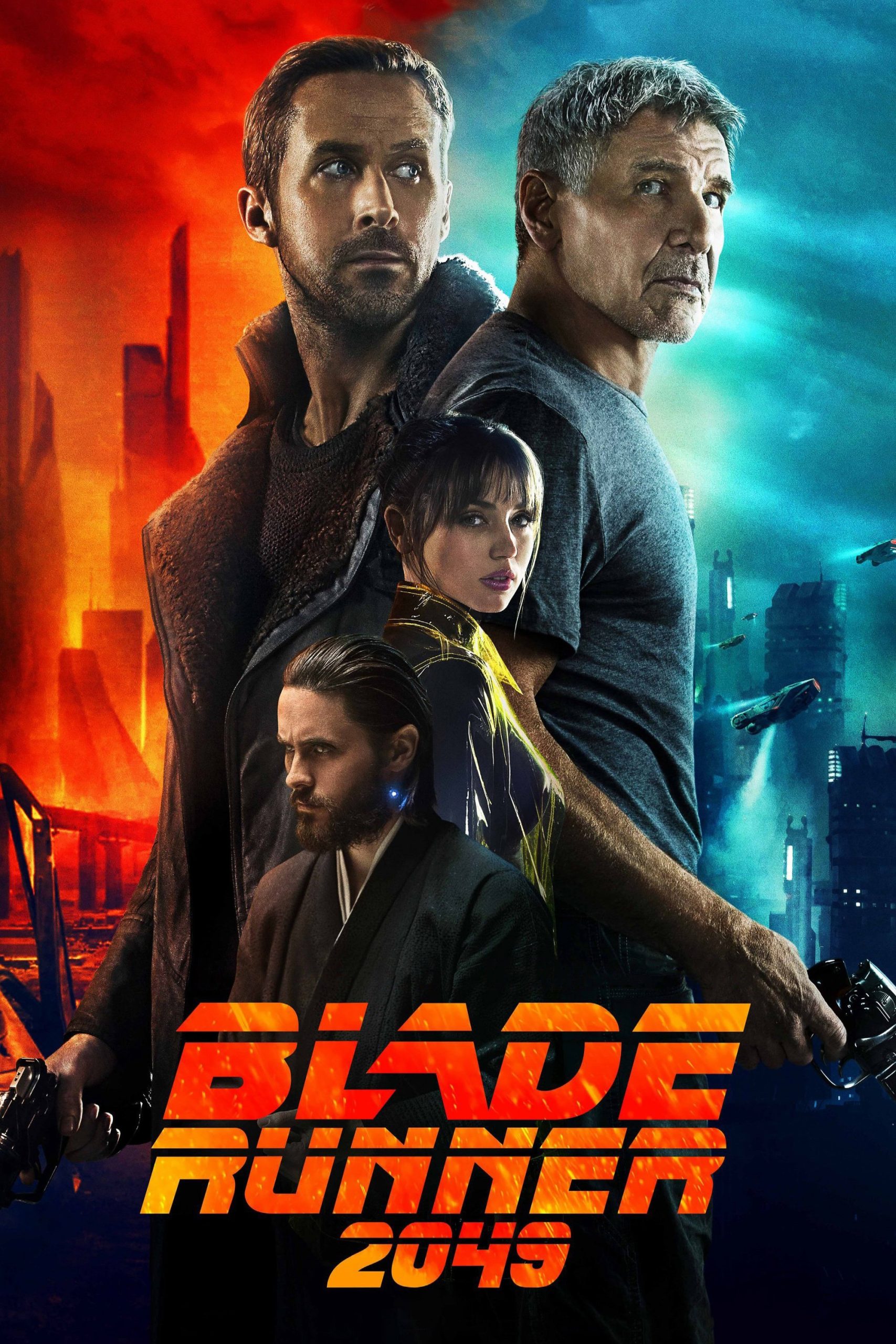
What the Film Is About
I remember the first time I saw Blade Runner 2049, I felt an overwhelming sense of loneliness reverberating through every frame. For me, the film is less about futuristic technology or thrilling action, and more about a profound search for meaning—a quest for a soul in a world obsessed with what it means to be “real.” K’s journey, as I experienced it, is an emotional descent into isolation and yearning, set in a world that refuses to recognize his humanity. Laced with longing—for connection, for truth, for validation—the movie presents an existential crisis played out in muted colors and stark landscapes.
What strikes me most about Blade Runner 2049 is the tension it sustains between searching for identity and confronting the possibility that our stories, no matter how personal, may not be ours to claim. The highest emotional stakes involve K’s yearning to matter, to belong, and to discover whether his memories—and thus his self—can ever be authentic. This central conflict forms the core of the narrative, guiding viewers through a labyrinth of loyalty, memory, and hope against bleak odds.
Core Themes
As I see it, the major theme running through Blade Runner 2049 is the relentless questioning of what it means to be human. The film invites me to scrutinize the value of memory, the nature of the soul, and the boundaries between artificial and organic life. When I watch K grasp at slivers of hope that he might possess a true history or a higher purpose, I’m forced to consider whether identity comes from facts or feelings—whether lived experience or simply the act of longing itself constitutes “realness.”
The film also grapples with freedom and subjugation. Replicants exist in a form of constructed servitude; they follow orders, suppress desires, and struggle for agency—even within their own minds. The notion of rebellion, both internal and societal, lingers on the periphery of every scene, reminding me that systems of control affect every attempt at self-discovery. As a result, I find the theme of personal revolution intertwined with a broader meditation on systemic oppression, class, and the politics of manufactured beings.
Another central idea I can’t ignore is the fragility of hope and love. The film’s quietest moments—especially those involving K’s relationship with Joi—underscore the ache for intimacy in a world that denies tenderness to artificial beings. This exploration of love, authenticity, and loneliness resonates as much in 2017 as it does now, mirroring our era’s anxiety over digital connection, social alienation, and the paradox of intimacy technologies.
For me, these themes remain urgent because they mirror conversations about where our society is heading: questions of artificial intelligence ethics, surveillance, inequality, and the search for meaning in a technologically mediated existence continue to grow more relevant every day. The film’s haunting beauty lures me into reflecting on whether I control my own destiny—or if I, too, am shaped by invisible scripts.
Symbolism & Motifs
The film’s use of visual and narrative symbols shapes how I read its layers. I’m always struck by the frequent recurrence of eyes—literal and metaphorical. Eyes reflect, reveal, and sometimes hide the truth; they serve as reminders of observation and scrutiny, but also the search for truth within oneself. In my view, eyes in Blade Runner 2049 symbolize both surveillance and the soul’s ambition to be seen for what it truly is.
The motif of memory has always felt personal to me, especially as it’s represented through objects and spaces. The wooden horse, for example, isn’t just a key plot device; it’s a vessel for imagined history and hope. Every time K clings to this small token, I’m reminded that our attachments to artifacts—no matter how mundane—can shape and sometimes distort our sense of self.
Another motif that lingers in my mind is the recurring presence of holograms, projections, and artificial environments. Joi, the digital companion, isn’t just software—she becomes a symbol of longing, the human urge to create meaning even from programmed affection. Their relationship invites me to ask whether emotional connections must be rooted in biological truth, or if “realness” simply depends on experience and belief.
I also find the bleak, fragmented landscapes profoundly symbolic. Empty cities, dust-choked fields, snow falling on lonely streets—all these visuals circle back to the core absence at the heart of both the characters and the world they inhabit. The environment itself feels like an extension of K’s internal desolation, a constant reminder of how much has been lost or forgotten in pursuit of progress and control.
Key Scenes
Key Scene 1
There’s a quietly devastating moment that always stays with me: when K, desperate to confirm whether his memories are real, visits the memory maker, Dr. Ana Stelline. The scene, with its luminous depiction of memory construction, crystallizes the film’s central emotional tension. As she reviews his most cherished memory and quietly breaks down in empathy, I feel the weight of the discovery—neither K nor I are given easy answers. The ambiguity of her reaction, along with the overwhelming sorrow, forces me to confront the question of authenticity and ownership. Whether the memory is truly his or not, the pain it contains is genuine. In my view, this recognition complicates the boundary between “real” and “artificial” pain, making the film’s emotional stakes shatteringly universal.
Key Scene 2
The encounter with the giant Joi hologram in the ruined city stands out as another transformative moment for me. This larger-than-life, commercialized version of K’s digital companion strips away any illusion that Joi was ever unique; she’s an algorithm with customizable affection. For me, seeing K’s heartbreak as Joi’s pre-programmed phrases echo back without meaning, the film boldly interrogates the nature of love, memory, and agency. It dares me to ask if true connection can exist when designed for mass consumption. This scene brings a sense of mourning—not just for K and Joi, but for any of us who have found comfort in something, or someone, engineered to fit our needs.
Key Scene 3
Finally, I’m always moved by the ending when K, battered and exhausted, chooses to deliver Deckard to his daughter rather than claim a place in the imagined narrative of destiny. This quiet act of self-sacrifice speaks volumes to me about the film’s worldview. K rejects the longing for uniqueness—his sense of purpose is not rooted in being “chosen” but in a freely given act of compassion. When he lies in the snow, watching it fall peacefully around him, I feel the resonance of hope through selflessness. The film’s haunting conclusion seems to whisper that humanity is not a birthright, but something earned through struggle, empathy, and the willingness to see others as real, even if the world refuses to see you the same way.
Common Interpretations
My conversations with other cinephiles and critics reveal several prevailing interpretations of Blade Runner 2049. Many viewers read the film as a treatise on artificial intelligence and the ethics of creation, focusing on its portrayal of synthesized life and the existential torment that comes from not knowing your place in the world. For them, K’s journey becomes a metaphor for anyone seeking validation in a system that constantly denies it.
Another common take centers around the ambiguity of memory. This reading emphasizes how memories—real or fabricated—define who we are, elevating the film to a meditation on childhood, trauma, and the mutability of personal history. Some argue that it’s not the authenticity of the memory, but its impact and emotional resonance, that makes us who we are. I see this interpretation woven through every scene in which K seeks meaning in fleeting recollections.
There’s also a strand of analysis that connects the film’s depiction of isolation and alienation to our present era of technology-induced loneliness. In this view, the relationship between K and Joi becomes a reflection of our own reliance on digital surrogates for friendship, romance, and validation. Here, the film’s central question pivots to whether any connection—no matter how artificial its origins—can counterbalance a world that feels fundamentally cold or uncaring.
I’ve even encountered readings that situate the movie as a blunt critique of late capitalism. The commodification of memory, identity, and even love is inescapable in the film’s universe. Replicants, Joi, and the breeding program all circle the vortex of profit-driven creation, leaving no aspect of existence untouched by the market’s reach. For those who follow this thread, the world of Blade Runner 2049 is not a distant dystopia, but a sharp mirror to our own commodification of the self.
Films with Similar Themes
- Her (2013) – I see a clear thematic thread in its exploration of artificial relationships and questions of authenticity in love and connection.
- Ex Machina (2014) – This film also interrogates the blurry boundaries between AI and humanity, highlighting the ethics of creation and the longing for autonomy.
- Never Let Me Go (2010) – I think this adaptation similarly deals with the existential plight of beings created for a purpose, asking if they can find meaning or love within imposed limits.
- Children of Men (2006) – To me, this work’s meditations on hope, despair, and the future of humanity resonate strongly with the emotional landscape of Blade Runner 2049.
When I reflect on what the film truly communicates, I return to its underlying assertion that identity is not decided by birth, programming, or even memory, but by acts of empathy and sacrifice. The emptiness of its world is challenged by those brief, human moments of connection—however flawed or fleeting. For me, Blade Runner 2049 isn’t about finding easy answers or discovering some perfect truth. It’s a lament for those who search for meaning in an indifferent universe, and it’s a quiet celebration of the courage it takes to keep searching, even when the story you hoped to claim isn’t meant to be yours. That relentless pursuit of meaning—despite all odds—is, I believe, the deepest message the film has to offer about who we are now and what we might become.
If you’re deciding what to watch next, you might also want to see how this film holds up today or how it was originally received.
🎬 Check out today's best-selling movies on Amazon!
View Deals on Amazon