
What the Film Is About
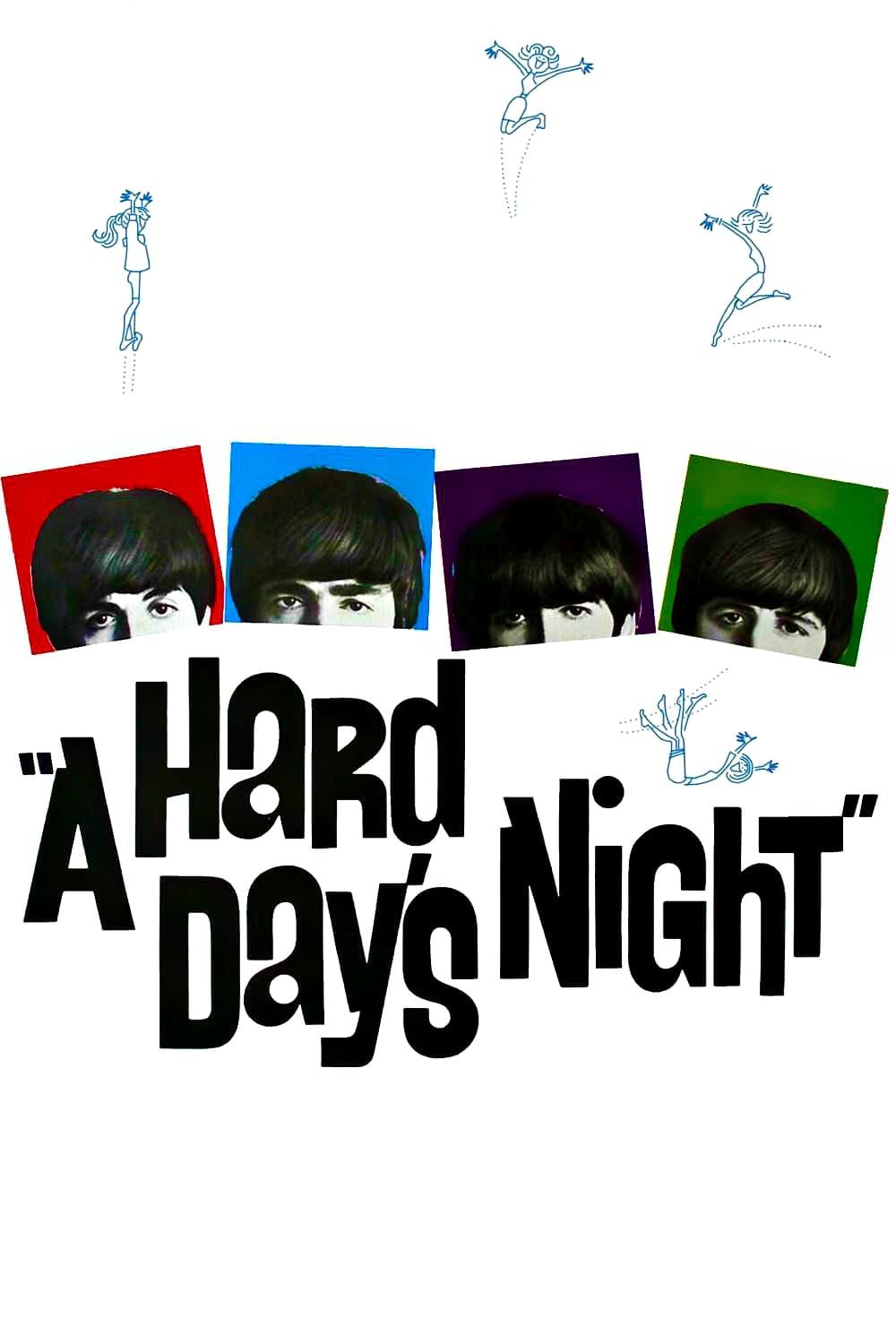
Released in 1964, A Hard Day’s Night offers a whirlwind, day-in-the-life glimpse into the world of The Beatles at the height of Beatlemania. Rather than a straightforward narrative, the film is a vibrant, kinetic chronicle of the band’s frantic attempts to navigate the pressures of sudden fame, the demands of the media, and their own mischievous sense of fun. The story unfolds over roughly 36 hours as John, Paul, George, and Ringo dart from train rides to rehearsals, dodging swarms of fervent fans and enduring the absurdities of press scrutiny.
At the heart of the film is an exploration of personal authenticity and camaraderie amidst chaos. The Beatles’ cheekiness and resilience emerge not just as coping mechanisms but as essential expressions of individuality in the face of relentless commodification. The film’s emotional journey centers around the tension between public expectation and private freedom, inviting viewers on an exuberant sprint through the jubilance and anxieties of unprecedented stardom.
Core Themes
A Hard Day’s Night is a meditation on the nature of celebrity, the boundary between authenticity and performance, and youthful rebellion against institutional constraints. The film scrutinizes the ways identity is shaped and distorted by media presence, making it a prescient commentary on the making—and unmaking—of public figures. The band, forever trailed by managers, handlers, and fans, consistently pushes back against the controlling forces around them, reveling in irreverence and improvisation.
Another key theme is generational change. The Beatles represent a seismic cultural shift; their playfulness and nonchalance contrast sharply with the stiff, paternalistic authority figures they encounter—producers, TV executives, disgruntled elders. This dynamic underscores the tension between the liberating promise of the 1960s and the lingering conservatism of postwar Britain. The film resonates even now, reflecting ongoing anxieties about how public images are manufactured and how authenticity survives amidst systemic pressures. Its celebration of friendship, wit, and self-expression continues to inspire audiences eager for genuine connection in a mediated age.
Symbolism & Motifs
Several recurring motifs imbue the film with nuance and layered meaning. The motif of borders and barriers recurs constantly: from the physical partitions that separate the Beatles from their fans (fences, train compartments, security lines) to the more intangible barriers of professionalism and decorum enforced by their minders. These boundaries both protect and constrain, symbolizing the price of fame and the relentless scrutiny that comes with visibility.
Music itself functions as both a literal and metaphorical liberator. In moments where the band is allowed to play—rehearsing on stage, jamming in open fields—there is a palpable sense of freedom, individuality, and joy. The musical interludes break the fourth wall and dissolve the borders erected by fame, reinforcing the notion that art can transcend superficial divisions. The press interviews, with their nonsensical or repetitive questions, stand as surrealist critiques of media reductionism. Humor and absurdity become weapons for the Beatles, allowing them to subvert expectations and assert control over their own narrative.
Key Scenes
Key Scene 1
The opening chase sequence—literally a mad dash through Liverpool—sets the film’s anarchic tone and vividly illustrates The Beatles’ predicament. Fleeing screaming fans, the band displays both unity and individuality, turning the perils of fame into a kind of slapstick ballet. This scene encapsulates the giddy thrill and underlying anxiety of their situation: adoration becomes overwhelming, and identity is at risk of being swallowed by mass hysteria. The chase is less about escape and more about carving out space to be themselves, however fleetingly.
Key Scene 2
The iconic field sequence, in which the Beatles break free from their obligations and run wild in an open landscape, is a lyrical ode to the desire for personal autonomy. The juxtaposition between the constraints of television studios and the spontaneous exuberance of the outdoors highlights the core tension of the film: creative spontaneity versus manufactured routine. Here, the band members are momentarily unshackled—from fans, managers, and voyeuristic cameras—embodying the film’s celebration of youthful freedom and camaraderie.
Key Scene 3
The climactic TV performance interweaves the personal and the public aspects of the Beatles’ identities. As they play live for an unseen television audience, the spectacle is both triumphant and ironic. The music is authentic, but the setting is staged, and their every move is mediated. This finale crystallizes the film’s ambivalence about fame—showing that even as the Beatles perform at the height of their powers, they remain actors on someone else’s stage. Yet, despite this, their individuality, humor, and creative agency shine through, reinforcing the film’s larger message about perseverance of identity.
Common Interpretations
Critically, A Hard Day’s Night is most commonly interpreted as a sharp satire of celebrity culture and a love letter to youthful rebellion. Many critics see the film as a reflexive portrait, with the Beatles intentionally playing exaggerated versions of themselves to lampoon tabloid stereotypes and repetitive media coverage. The irreverent treatment of authority and the surreal humor are widely read as both a critique of stifling institutions and a bold assertion of a new, liberated generational ethos.
Other interpretations focus on the film’s portrayal of friendship and creative solidarity. Audiences and scholars alike often highlight how the band’s banter and mutual support counterbalance the isolating pressures of fame. Still others emphasize the film’s role as an early example of postmodern cinema, with its self-referential wit, fluid boundaries between reality and fiction, and playful undermining of entertainment conventions.
Films with Similar Themes
- This Is Spinal Tap (1984) – Explores the absurdities of fame and the inner dynamics of a band, using parody to dissect music culture and constructed personas.
- Help! (1965) – Another Beatles film, but with a similar whimsical tone and commentary on the surreal aspects of their public lives.
- Sing Street (2016) – Delves into music as a form of adolescent rebellion and personal liberation, spotlighting the transformative power of artistic camaraderie.
- Pulp Fiction (1994) – While very different in style and content, it similarly employs playful postmodern techniques and self-aware humor, challenging audience expectations of narrative and identity.
Ultimately, A Hard Day’s Night stands as a testament to the resilience of individuality in the whirlwind of cultural transformation. It captures the kinetic thrills and existential uncertainties of sudden fame, while celebrating the power of friendship, creative authenticity, and playful defiance. In its relentless energy and subtle critique of stardom, the film channels both the exhilarating promise and the inherent contradictions of the era that birthed it, inviting every viewer to consider what it means to resist definition and remain true in a world eager to label and contain.