
What the Film Is About
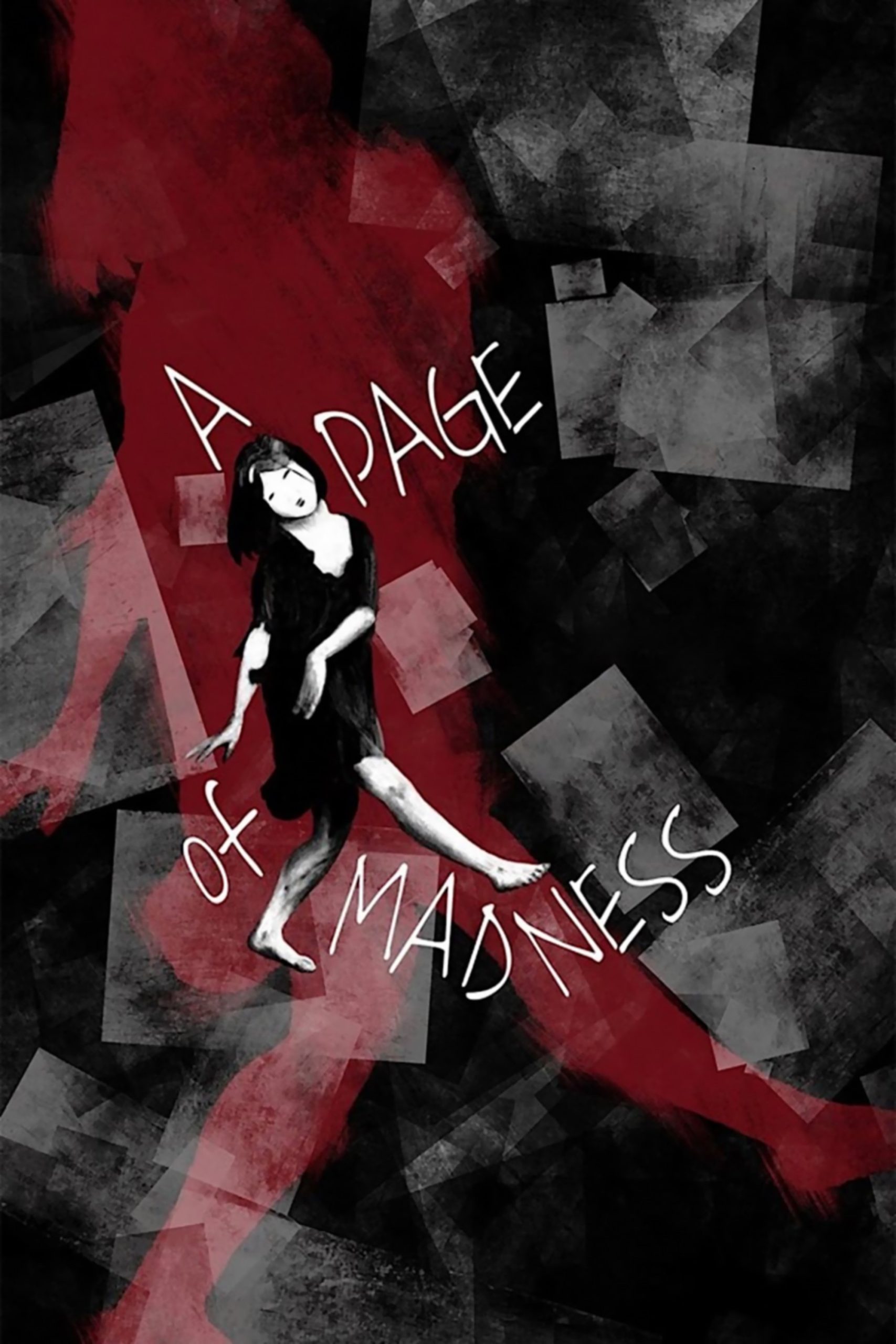
“A Page of Madness” is a strikingly unconventional silent film from 1926, emerging from the vibrant spectrum of Japanese avant-garde cinema. Eschewing traditional storytelling methods, the film immerses viewers in the fractured consciousness of its characters and the oppressive atmosphere of an asylum. The emotional journey at its core is one of anguish, confusion, and longing, as a former sailor works as a janitor in the asylum where his wife is confined. Through disorienting imagery, dreamlike sequences, and striking visual experimentation, the film bridges the internal states of its characters with the external world, focusing on alienation, guilt, and the elusive hope for redemption. Its narrative direction is less about resolution and more about the withering, cyclical nature of suffering tied to both mental illness and family legacy.
Rather than presenting a linear story, “A Page of Madness” invites the audience into a labyrinthine mental and emotional landscape. The central conflict arises from the protagonist’s attempt to bridge the unbridgeable gap between himself and his institutionalized wife, his struggle with guilt over his role in her suffering, and his desperate hope to protect his daughter from a similar fate. The film deftly blurs reality and hallucination, illuminating the difficulty of distinguishing between truth and perception in the depths of psychological turmoil.
Core Themes
At the heart of “A Page of Madness” are profound meditations on madness, familial duty, the boundaries of reality, and the stigmatization of mental illness. Rather than treating insanity as mere spectacle, the film navigates the interiority of those affected, asking viewers to empathize with rather than judge its characters. This empathetic gaze reveals the isolation not only of the asylum’s patients but also of the family members caught in their orbit—a reflection on how suffering can become inescapable and cyclical across generations.
Ideas of alienation and miscommunication pervasively color the film, showing how mental illness severs connections not only within oneself but between people. The characters’ attempts to communicate—and their inevitable failures—highlight the limits of language and action when confronting psychological distress. In 1926 Japan, these themes were especially resonant, as the country grappled with modernization, social change, and the lingering stigma around mental health. Even today, the relevance endures: societal exclusion, family shame, and struggles to reconcile personal guilt remain poignant and universally human concerns. The film also touches on the broader existential question of what it means to lose one’s grip on reality, asking whether true understanding between individuals is possible at all.
Symbolism & Motifs
“A Page of Madness” is distinguished by its relentless use of symbolism and visual motifs that deepen its exploration of madness and alienation. The recurring motif of the barred windows, for instance, reiterates the theme of entrapment—physical, psychological, and social. These barriers underscore the distance between the inner experiences of the asylum’s inhabitants and the outside world, as well as the protagonist’s inability to reach or save his wife.
Masks emerge as a crucial symbol, both literal and figurative. Patients don grotesque masks during surreal dance sequences, signifying the way society, and indeed the self, seeks to disguise or suppress unwanted truths. Masks also represent the tension between inner reality and outward appearance, a motif repeated as the janitor hides his guilt and suffering from his daughter.
Water imagery is woven throughout the film, suggesting both cleansing and drowning. It becomes a symbol of the characters’ yearning for purification from guilt, and perhaps their simultaneous fear of being submerged by their own minds. The film’s use of fractured, rapid editing and double exposures visually enacts the fragmentation of identity, presenting the world as it might appear to someone in the depths of mental distress.
Key Scenes
Key Scene 1
One of the most arresting sequences is the hallucinatory dance of the asylum inmates, all masked, as they spiral around the main character. This scene is crucial because it externalizes the chaos of the mind and the permeability between reality and delusion. The masks worn by the patients not only evoke fear and uncertainty but also symbolize the defensive facades people construct to hide their true selves. Emotionally, this moment crystallizes the janitor’s realization of his own helplessness and the intensity of social alienation that surrounds mental illness, reinforcing the idea that the divide between sanity and madness is both fragile and arbitrary.
Key Scene 2
Another pivotal moment occurs when the janitor’s daughter visits the asylum, struggling with the potential shame brought upon her by her mother’s insanity as she contemplates marriage. This meeting encapsulates the intergenerational reach of trauma and stigma. The daughter’s anxiety, and the janitor’s protective yet powerless posture, distill the film’s core themes of familial loyalty, sacrifice, and the deeply rooted impact of mental illness on loved ones. Through their uneasy interaction, the film interrogates how family ties can bind and suffocate, forcing characters to navigate conflicting duties and desires.
Key Scene 3
In the film’s ambiguous concluding sequence, the janitor attempts to free his wife, only to become lost in a haze of fantasy and failure. This scene operates less as literal narrative closure and more as a final commentary on the delusional hope for escape—be it from madness, guilt, or social constraints. The inability to distinguish dream from reality is central here, serving as both a personal tragedy for the protagonist and a broader statement about the inefficacy of compassion when confronted with insurmountable psychological and systemic barriers. It is a haunting ending that leaves the audience questioning the limits of understanding and the pervasiveness of suffering.
Common Interpretations
Critics and audiences have long debated the meaning of “A Page of Madness,” underscoring its status as a cinematic enigma. A widely held interpretation views the film as an avant-garde expression of psychological distress, with its nonlinear style and fragmented visuals functioning as a direct reflection of mental instability—less an objective story than a subjective experience.
Others interpret the film as a critique of societal oppression, focusing on how institutions and cultural norms both quarantine and stigmatize those deemed “mad.” The janitor’s suffering is seen as a metaphor for how entire families, particularly in early 20th-century Japan, could be shamed and ostracized by the illness of one member.
A more existential reading sees the film as exploring universal alienation and the impossibility of fully understanding another’s interior life. The audience’s own bewildered perspective is mirrored in the narrative’s ambiguity, suggesting that there are limits to empathy and knowledge—especially when the world itself is uncertain and surreal.
While more speculative interpretations exist, such as viewing the entire story as the janitor’s own descent into madness or a symbolic dream realm, consensus coalesces around the notion that “A Page of Madness” is first and foremost a unique meditation on mental illness, isolation, and the fractured nature of human experience.
Films with Similar Themes
- The Cabinet of Dr. Caligari (1920) – Shares the exploration of insanity and the blurred boundary between reality and delusion, using striking visual techniques to convey mental instability.
- Repulsion (1965) – Explores psychological descent and social isolation through subjective cinematic style, much like the fractured storytelling in “A Page of Madness.”
- One Flew Over the Cuckoo’s Nest (1975) – Examines institutional responses to mental illness and the stigma faced by both patients and those who care about them, paralleling themes of oppression and resistance.
- Shutter Island (2010) – Deals with perception versus reality, the inescapability of trauma, and the unreliable mind, echoing the confounding narrative structure and psychological focus of “A Page of Madness.”
Ultimately, “A Page of Madness” communicates a profound awareness of the fragility of the human mind and the inescapable grip of personal and societal suffering. It uses fragmented visuals and elliptical narrative to evoke the difficulties of empathy, the pain of alienation, and the complex ties that bind families together in the face of trauma. Even nearly a century after its release, the film endures as a haunting exploration of madness—not as spectacle or distant pathology, but as an intimate and universal aspect of the human condition. Its core message, shrouded in ambiguity yet emotionally resonant, is that understanding—and even love—may forever be constrained by the barriers of perception, memory, and society itself.