
What the Film Is About
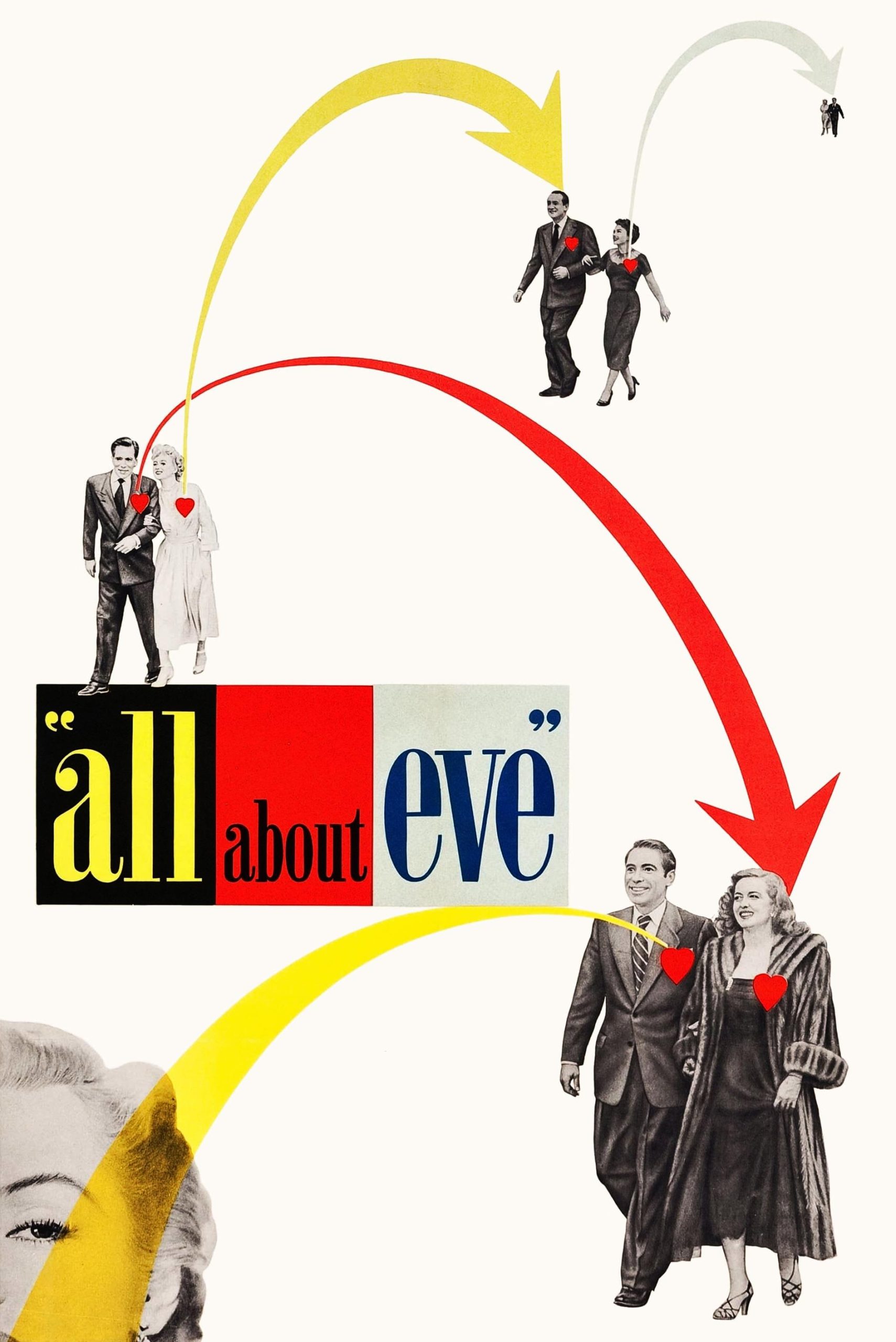
“All About Eve” (1950) is a sophisticated psychological drama that navigates the dazzling but treacherous terrain of the theater world. At its core, the film follows the emotional power struggle between Margo Channing, an established and celebrated stage actress, and Eve Harrington, a young and seemingly innocent fan who insinuates herself into Margo’s world. The film unravels the layers of ambition, insecurity, and manipulation that define the relationship between these two women, while examining the cost of fame and the fragility of identity within the entertainment industry.
Rather than presenting a straightforward tale of good versus evil, “All About Eve” asks viewers to probe the motivations and vulnerabilities of its characters. The narrative steers us through a landscape where adulation quickly transforms into rivalry, and where personal ambitions are masked by charm and apparent devotion. The film ultimately paints a portrait of an industry—and a society—obsessed with youth, novelty, and status, leaving its protagonists to grapple with displacement, jealousy, and self-discovery.
Core Themes
The film’s primary thematic concern is the nature and cost of ambition. Through Eve’s calculated ascent and Margo’s struggle with aging and obsolescence, “All About Eve” lays bare the allure and dangers of seeking approval, success, and immortality within a competitive environment. Ambition here is a double-edged sword: it drives greatness but can also inspire deception and betrayal.
Closely tied to ambition is the film’s exploration of identity—a theme embodied in characters who perform not just on stage, but in their daily lives. The boundaries between authenticity and artifice blur, questioning what is real and what is mere performance, whether in the theater or in social relationships. Loyalty and trust become fraught concepts, often undermined by those who stand to benefit the most from duplicity.
Another lasting theme is the film’s commentary on gender and the role of women in the arts. In postwar America, as women’s roles were being redefined, “All About Eve” taps into anxieties about aging, the fleeting nature of beauty, and the limited opportunities available to women—especially in public spheres that prize youth above experience. The film’s themes are not only a reflection of its era’s concerns but remain relevant today in industries still shaped by rivalry, reinvention, and the pressure to maintain one’s image.
Symbolism & Motifs
One of the film’s most potent recurring motifs is the theater itself. Both a literal and figurative stage, the theater represents the battleground upon which public and private personas collide. Dressing rooms, mirrors, and backstage corridors function as liminal spaces where the masks of performance slip, revealing the true selves that lie beneath.
Mirrors recur throughout the film as symbols of self-reflection and duplicity. When characters gaze into mirrors, they confront—or evade—the truth about their own aspirations, fears, and insecurities. These moments often coincide with power shifts or revelations about character motives.
Another subtle motif is the recurring image of awards, particularly the esteemed Sarah Siddons Award. This trophy is less an accolade and more a symbol of ambition, legacy, and the cyclical nature of fame. As the award changes hands, it underscores the impermanence of success and the inevitability of being supplanted by newer talent.
Key Scenes
Key Scene 1
The scene in which Eve expertly fields a room full of theater professionals is crucial for understanding the film’s message about ambition and performance. Eve’s articulate recounting of her admiration for Margo is delivered with just enough vulnerability and reverence to disarm her audience. Yet, her behavior is later revealed to be calculated. This scene encapsulates the dangerous power of performance not only on stage, but as a social tool. It also marks a turning point, as the characters—and viewers—begin to question the authenticity of Eve’s persona.
Key Scene 2
Margo’s confrontation with her own insecurity and the pressures of aging is beautifully rendered in the celebrated party sequence, particularly the moment when she famously declares, “Fasten your seatbelts, it’s going to be a bumpy night.” This iconic line is more than witty dialogue; it’s a naked admission of anxiety and impending upheaval. The scene highlights both the trepidation of being supplanted and the resilience required to face changing circumstances—whether in art, love, or life.
Key Scene 3
The film’s denouement—in which a new young admirer, Phoebe, appears in Eve’s dressing room—serves as the final and most pointed statement about the cyclical nature of ambition and fame. Phoebe’s starry-eyed imitation of Eve’s earlier deference to Margo signals that the cycle of admiration turned rivalry will perpetuate endlessly. This scene synthesizes the film’s cynicism about show business and poignantly underscores its warning: every star, no matter how bright, will eventually be eclipsed by the next generation.
Common Interpretations
“All About Eve” is most commonly interpreted as a cautionary tale about the perils of unchecked ambition and the superficiality of show business. Critics tend to agree that Eve’s ruthlessness and duplicity are not unique traits, but rather symptoms of a competitive environment that rewards cunning over integrity. Some readings focus on the film’s feminist undertones, noting how Margo’s struggle reflects the broader anxieties of women facing societal pressure to remain youthful and relevant.
Another widely accepted interpretation centers on the nature of performance itself—not just in the theater, but in everyday life. The characters’ constant need to perform for each other highlights the blurry boundary between reality and illusion, suggesting that identity is fluid and constructed. While most critics accept this reading, some have also noted the film’s commentary on the hollowness of fame and the emotional costs of a life spent in pursuit of external validation.
A minority of viewers interpret the film as a broader critique of postwar American culture, reading Eve’s rise as emblematic of social climbing and the fragility of established hierarchies in an era marked by rapid change. However, these readings never drift far from the central message about ambition and the inherent risks of living a life defined by public acclaim.
Films with Similar Themes
- Sunset Boulevard (1950) – Explores the corrosive effects of fame and the psychological consequences of aging in Hollywood, particularly for women.
- Black Swan (2010) – Examines the pressures of perfectionism, ambition, and identity crisis within the world of performance, paralleling Eve and Margo’s emotional struggles.
- The Player (1992) – Satirizes the ruthlessness of show business, depicting how ambition can lead to moral compromise within the entertainment industry.
- A Star Is Born (various versions) – Chronicles the cycle of rising and fading stardom, echoing the theme of inevitability and displacement present in “All About Eve.”
Ultimately, “All About Eve” communicates a timeless truth about human nature and society: that ambition can both inspire greatness and breed duplicity, and that the drive for relevance and love can make people vulnerable to manipulation and self-delusion. The film’s critique of fame, aging, and the gendered pressures of public life resonates as sharply now as it did in 1950—making it a masterwork not merely of its era, but for all ages.