
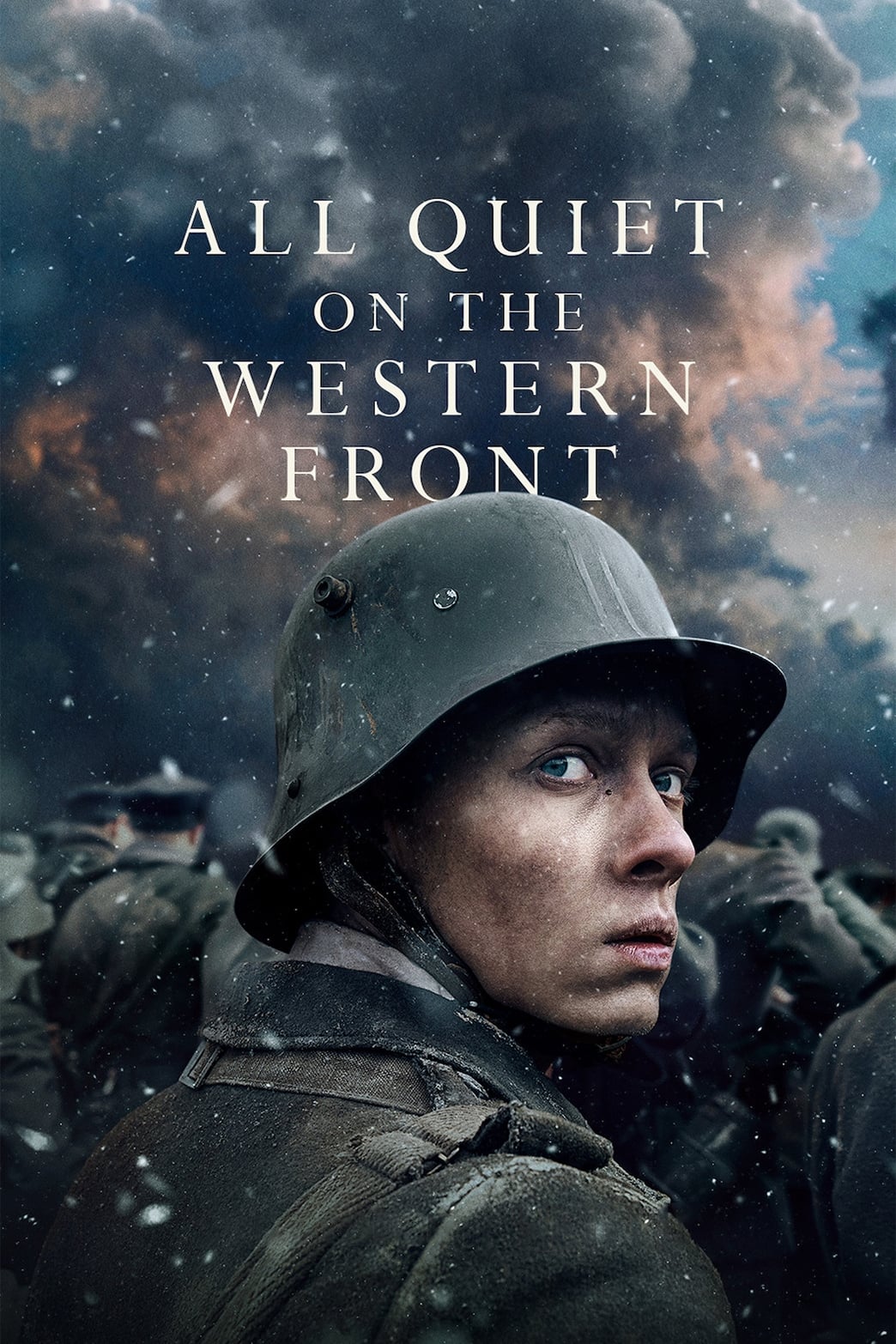
What the Film Is About
“All Quiet on the Western Front” (1979) is a deeply affecting war film that immerses viewers in the personal and psychological journey of young German soldiers thrust into the chaos of World War I. At its heart, the film follows Paul Bäumer and his classmates, whose initial enthusiasm for patriotic duty quickly erodes as they endure the relentless trauma of trench warfare. Rather than glorifying the violence, the film foregrounds the shattering of innocence and explores how the brutality of war distorts individual ideals, relationships, and even reality itself. The story is less concerned with battlefield victories or losses than with the internal struggles of those forced to navigate a world gone mad.
The emotional center of the film lies in its ability to convey disillusionment, fear, and the lingering sense of alienation experienced by soldiers. It underscores the irreversible transformation faced by those who witness humanity at its most destructive. As viewers follow Paul’s journey from youthful naivety to weary resignation, the film invites us to contemplate the lasting scars war inflicts on both the spirit and the social fabric that binds people together.
Core Themes
Several profound themes run through “All Quiet on the Western Front” (1979), each contributing to its critical stance on war, identity, and society. Foremost among these is the senselessness of armed conflict. Unlike narratives that romanticize heroism, this film insists on showing war as a mechanism of dehumanization, where violence becomes routine and meaning dissolves in the mud of the trenches. The moral confusion of battle—where distinctions between right and wrong blur—reflects the loss of innocence suffered by the young protagonists.
Alienation is another core theme. The film portrays how returning veterans feel disconnected from the civilian world, unable to communicate their trauma or reintegrate into peacetime society. This theme resonates especially in periods of social upheaval and remains relevant in light of ongoing debates over the psychological costs of warfare. Authority and betrayal also play a central role: teachers, parents, and political leaders encourage young men to fight and die for abstract ideals, yet remain shielded from the direct consequences themselves. This dynamic leads to questions of personal agency, moral responsibility, and the generational divide—issues that were particularly urgent in the late 1970s, amidst the lingering aftermath of the Vietnam War and growing skepticism toward state institutions. The film remains a cautionary tale about the dangers of nationalism and the moral hazards of blindly following authority, making its message enduringly pertinent.
Symbolism & Motifs
Symbolism functions as a powerful tool within “All Quiet on the Western Front” (1979), amplifying its antiwar message. One memorable motif is the recurring image of boots, which pass from one fallen soldier to the next. The boots symbolize both the interchangeability of the soldiers—stripped of identity by the war machine—and the cycle of senseless death inherent in trench warfare. Their practical, unremarkable appearance contrasts sharply with the elevated rhetoric used to recruit the boys, reinforcing the grim realities now faced.
Another key motif is the stark contrast between nature and war. Scenes featuring fields, butterflies, or moments of tranquility highlight the beauty and fragility of life, serving as a bitter reminder of what is lost amid the devastation. These moments are fleeting, always punctuated by explosions or marching orders, underscoring the unnatural intrusion of war into the landscape—and the youthful lives—previously untouched by violence.
Bayonets, trenches, and even basic daily routines such as eating or shaving become ritualized, both numbing and dehumanizing those involved. The repetition of these acts illustrates how war reduces everything to survival, obliterating the ambitions and personalities that existed before enlistment. The film’s unflinching presentation of mud and filth symbolizes not just the physical but also the moral quagmire into which the characters are plunged, reinforcing the persistent sense of entrapment and futility.
Key Scenes
Key Scene 1
A defining scene occurs early in the film during the classroom recruitment, where Paul and his friends, driven by impassioned rhetoric, eagerly volunteer to fight. This scene is significant not for its spectacle but for its chilling portrayal of manipulation. The teacher’s exhortations to duty and glory are contrasted sharply with what follows on the battlefield. This key moment sets up the film’s overarching critique of how societies exploit youthful enthusiasm for causes they only imperfectly understand. It prefigures the cycle of betrayal and disenchantment, offering a powerful commentary on the dangers of blind nationalism and institutional authority.
Key Scene 2
Later in the film, a harrowing encounter in a shell crater forces Paul to confront the enemy at intimate range. Trapped alongside a dying French soldier, Paul’s attempts to save his enemy—and his own anguished apologies—lay bare the shared humanity beneath the constructed boundaries of war. This scene crystallizes the film’s deep revulsion for violence and its insistence on empathy. It challenges the audience to confront uncomfortable truths about complicity and victimhood, revealing how war undermines every sense of certainty, loyalty, and self-understanding. Paul’s breakdown exposes the emotional and ethical devastation wrought by conflict, serving as a microcosm of the entire film’s thesis.
Key Scene 3
The film’s closing moment—Paul’s death as he reaches toward a fragile butterfly—brings its themes into the sharpest focus. Here, the butterfly represents fleeting hope, beauty, and innocence, qualities abruptly shattered by war. The abruptness and near-silence of his death reinforce the anonymity and suddenness with which countless young lives are lost. This final statement is devoid of glamour or victory, instead confronting the audience with a powerful visual metaphor for the waste of war. It calls into question society’s willingness to sacrifice generations, leaving a lingering sense of loss that serves as the film’s ultimate indictment of warfare and its enduring cost.
Common Interpretations
The 1979 adaptation of “All Quiet on the Western Front” is widely interpreted as a searing antiwar statement. Most critics agree that the film’s relentless focus on the young soldiers’ deterioration—physically, emotionally, and morally—serves not merely to depict World War I, but to critique all wars. Rather than glorifying battle, the film exposes the mechanisms by which societies induct their youth into violence and the trauma that results.
Another prevalent reading emphasizes the film’s indictment of authority figures. By highlighting the gap between rhetoric in the classroom and the horrors on the front lines, the film is seen as challenging the legitimacy of propaganda, nationalism, and the unreflective obedience demanded by those in power. Some interpretations place greater emphasis on the personal aspects of alienation and psychological trauma, tracing the roots of postwar disaffection and the struggle to reconcile past ideals with present realities.
While nearly all readings share the view that the film is fundamentally antiwar, there are nuanced disagreements regarding its focus. Some see it as primarily an existential meditation on mortality and meaninglessness; others prioritize its social critique. However, all interpretations converge on the idea that the film seeks to provoke empathy and reflection, not simply summarize events or assign historical blame.
Films with Similar Themes
- Paths of Glory (1957) – Explores the futility of war and critiques the military hierarchy’s devaluation of individual soldiers, much like “All Quiet on the Western Front.”
- Gallipoli (1981) – Examines the disillusionment of young soldiers sent into battle, focusing on loss of innocence and the tragedy of unquestioned patriotism.
- Come and See (1985) – Presents war from the perspective of a traumatized youth, emphasizing the loss of innocence and the enduring psychological scars of violent conflict.
- Platoon (1986) – Tackles the harrowing experience of ordinary soldiers, moral ambiguity, and the betrayal of idealism within the context of modern warfare.
Ultimately, “All Quiet on the Western Front” (1979) conveys a sobering message about humanity’s capacity for self-destruction when blinded by ideology and authority. By focusing on the personal costs of war rather than abstract heroics or national pride, the film reminds viewers that every conflict is experienced most profoundly at the individual level. Its portrayal of innocence lost, ideals betrayed, and the struggle to find meaning amid chaos serves as a powerful caution, fueling ongoing debates about war, obedience, and the value of human life across generations. The film stands not only as a historical statement, but as a perennial reflection on the need for compassion—and the grave consequences when it is forgotten.