
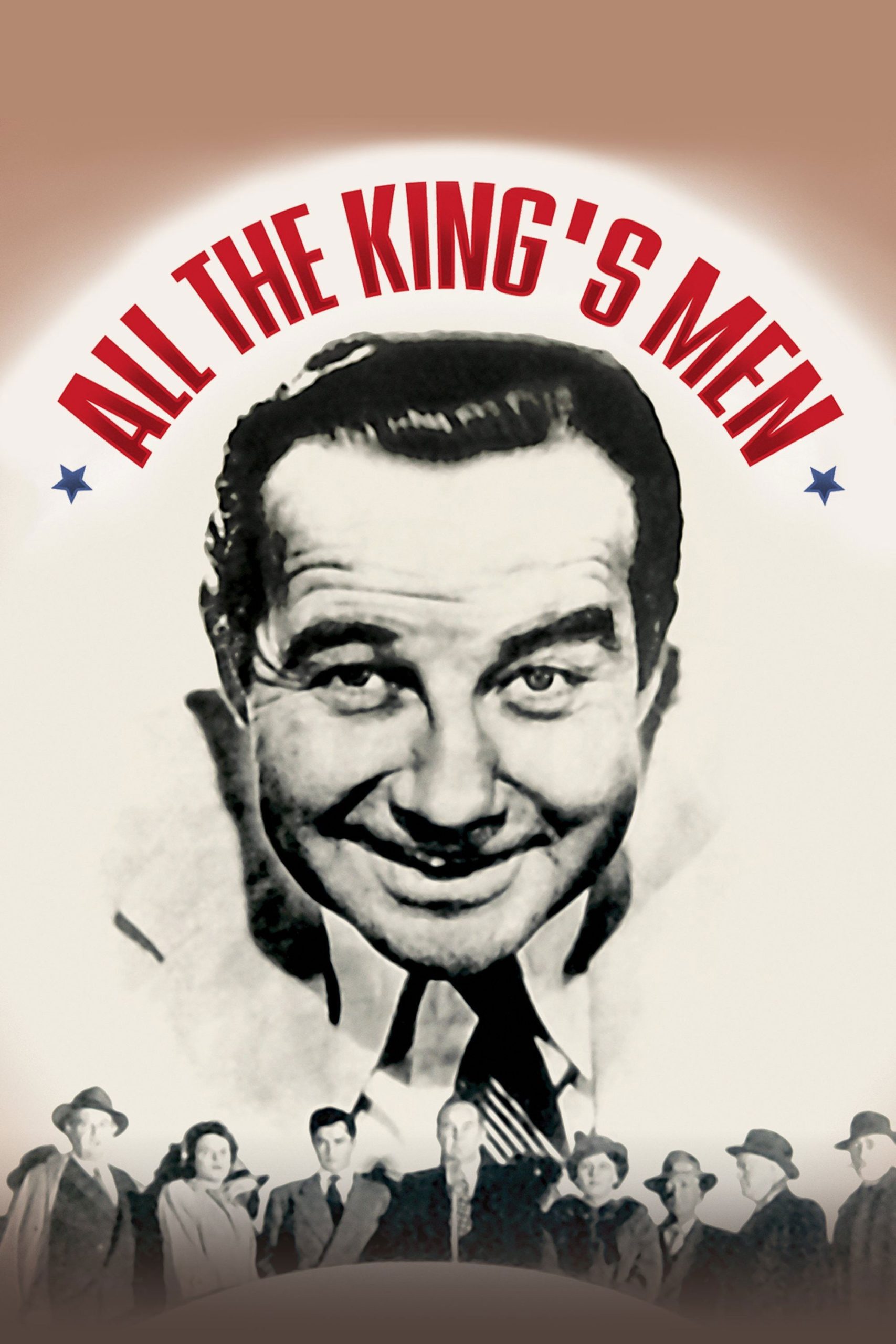
What the Film Is About
“All the King’s Men” (1949) presents an emotionally charged odyssey through the rise and fall of Willie Stark, an idealistic country lawyer who becomes a populist political leader. The film follows his transformation, casting a probing gaze on the seductions and ramifications of power. Rather than offering a straightforward narrative of success or failure, the story traces the gradual erosion of Stark’s ideals and the cost of that decay, both for himself and for the people whose lives orbit his ascent.
The film’s central conflict is internal and communal. Stark, initially driven by a fervent sense of justice, grapples with the temptations and moral ambiguities of wielding political influence. Around him swirl allies and adversaries alike, each faced with their own compromises and crises of conscience, amplifying the film’s exploration of corruption, loyalty, and disillusionment. The narrative’s momentum is not towards triumph, but toward a reckoning—one where ideals are tested against reality, and personal ambition is measured against collective good.
Core Themes
At its core, “All the King’s Men” dissects the nature of power and the fragility of integrity. The film offers a nuanced portrait of how noble intentions can be subverted by authority, revealing the thin boundary between service and self-interest. The evolution of Willie Stark—from crusading outsider to domineering political boss—encapsulates the seductive and corrosive influence of unchecked power, unfolding as both a cautionary tale and a psychological character study.
Morality is examined not as an abstract concept but as a lived, often-compromised reality. Characters must navigate personal relationships and political landscapes as their values collide with ambition. The film interrogates the tension between ends and means: Can justice ever be achieved through morally dubious tactics, or does corruption inevitably taint even the most well-intentioned reforms?
Loyalty also features prominently, both in the bonds formed for political convenience and the interpersonal loyalties that shape the characters’ fates. Betrayal—of ideals, friends, and self—is ever-present, unfolding within a society in flux, reflecting American anxieties about democracy, accountability, and populism in the late 1940s. Released at the dawn of the Cold War, the film’s skepticism toward charismatic leaders and mass movements felt urgent then and remains strikingly relevant now, warning of how populist fervor can be manipulated and how good intentions alone cannot inoculate against corruption.
These themes continue to resonate because they speak to universal questions of leadership, responsibility, and the persistent struggle to reconcile principles with practicality. The film’s depiction of failed idealism and human frailty is timeless, making it an enduring contribution to the dialogue about political and personal ethics.
Symbolism & Motifs
The film’s visual and narrative language is thick with symbolism, reinforcing its critique of power and integrity. The recurring motif of the crowd—often depicted in swelling gatherings, rallies, or confrontations—echoes the unpredictable energy of public sentiment. Stark’s ability to sway these crowds stands as a double-edged symbol: democratic energy’s promise and peril, reminding viewers that mass movements can elevate or destroy.
Mirrors and reflections appear repeatedly, subtly questioning identity and duplicity. Characters are often framed against glass or water, suggesting their divided selves and the widening gulf between public image and private reality. For Stark in particular, these moments indicate the extent to which he becomes unrecognizable to himself as he ascends the heights of influence.
Another recurring motif is the courtroom and the language of justice—the scales, the gavel, the witness stand. Initially, they symbolize hope for fairness and reform. As the plot moves forward, these same symbols are hollowed out, ironically underlining how systems meant to safeguard democracy can be manipulated or emptied of their former meaning.
Stark’s voice—at first impassioned, later bullying and intimidating—serves as an aural symbol of his transformation. The film repeatedly returns to images of hands: shaking, voting, giving orders, or clenching in passion or frustration. Each gesture reflects the wielding or relinquishment of power, rooting the film’s ideas in tangible, memorable actions.
Key Scenes
Key Scene 1
One pivotal scene is the moment when Willie Stark delivers an impromptu, fiery speech to a restless crowd, after being set up as a puppet by the political establishment. This scene is essential not for its plot function, but because it dramatizes the birth of Stark’s public persona. The emotional current running through the crowd, the intensity in Stark’s voice, and his realization of his newfound power crystalize the film’s exploration of populism and manipulation. The moment marks a crossing of the Rubicon: Stark’s relationship to his constituents becomes less about shared suffering and more about charisma and control. The crowd’s adulation is intoxicating, and it’s here that the seeds of future hubris and self-corruption are planted.
Key Scene 2
Another defining scene occurs when a trusted ally faces moral crisis after uncovering Stark’s myriad ethical compromises. This confrontation is less about external action than internal reckoning. The emotional weight comes from disillusionment—the realization that Stark is no longer the man he once was. The scene is charged with disappointment and anger, and it forces viewers to consider the limits of loyalty and the dangers of believing too fully in any individual’s righteousness. It deepens the film’s meditation on how personal ties can be exploited or destroyed by ambition and power, challenging the audience to ask whether ideals should be sacrificed for political success.
Key Scene 3
The film’s climactic resolution—Stark’s assassination—serves as the final and most potent statement on the film’s message. In this moment of violence, the storyline comes full circle: the forces that once empowered Stark turn fatally against him. This is not just an act of revenge or desperation, but the fulfillment of a narrative logic in which unchecked ambition and the abdication of ethics finally demand their due. The fall of Stark is presented with tragic inevitability, underscoring the moral costs of his journey and forcing characters and viewers alike to confront the emptiness that remains when power is pursued without principle. The film closes not with vindication or triumph, but with profound ambiguity about whether anything meaningful was accomplished or if Stark’s legacy is simply a cautionary void.
Common Interpretations
“All the King’s Men” has been widely interpreted as a cautionary tale about the perils of populism and the susceptibility of democracy to demagogic leaders. Critics often view Willie Stark as a stand-in for real-world figures—most notably Huey Long, the populist Louisiana politician who inspired the original novel. The film’s indictment of political corruption and manipulation was read at the time as a direct reflection of postwar concerns about authority, institutional trust, and the dangers of mass politics.
Some interpretations emphasize the tragedy as deeply personal, framing the narrative as the psychological unraveling of an individual who loses his moral compass in the pursuit of noble ends. Others stress the collective impact: the film as a warning about how societies looking for saviors can enable abuses of power. In both readings, the underlying assertion is clear—absolutism and idealism, unchecked by self-awareness or accountability, will ultimately lead to downfall.
There are also interpretations that look beyond politics, understanding the film as an exploration of American identity and the shifting boundaries between rural and urban values, individualism and collectivism. In this view, the film’s meaning stretches into questions about whether true reform is possible or always fatally compromised by human flaws. The richness of “All the King’s Men” lies in its refusal to offer pat answers, instead foregrounding the ongoing tension between aspiration and pragmatism.
Films with Similar Themes
- Citizen Kane (1941) – Both examine the corruptive influence of power and ambition on individuals, depicting the moral decline of once-idealistic men.
- Mr. Smith Goes to Washington (1939) – Explores the clash between integrity and systemic corruption within American politics, though from a more optimistic angle.
- Network (1976) – Investigates the manipulation of the masses by powerful individuals and institutions, and the ethical cost of pursuing influence.
- JFK (1991) – Delves into political conspiracy, mistrust of power, and the ambiguity surrounding personal and public morality.
Ultimately, “All the King’s Men” stands as a meditation on the complex interplay between hope and disillusionment, showing how the pursuit of justice can be warped by ego, expediency, and the heady intoxication of authority. The film asks viewers to reckon with the realities of human nature and the frailties of democratic society—reminding us that neither individuals nor institutions can be separated from the ethical choices they make. Its enduring legacy is a challenge: to remain vigilant about the seductions of power, and to recognize that the true test of leadership is not success, but integrity.