
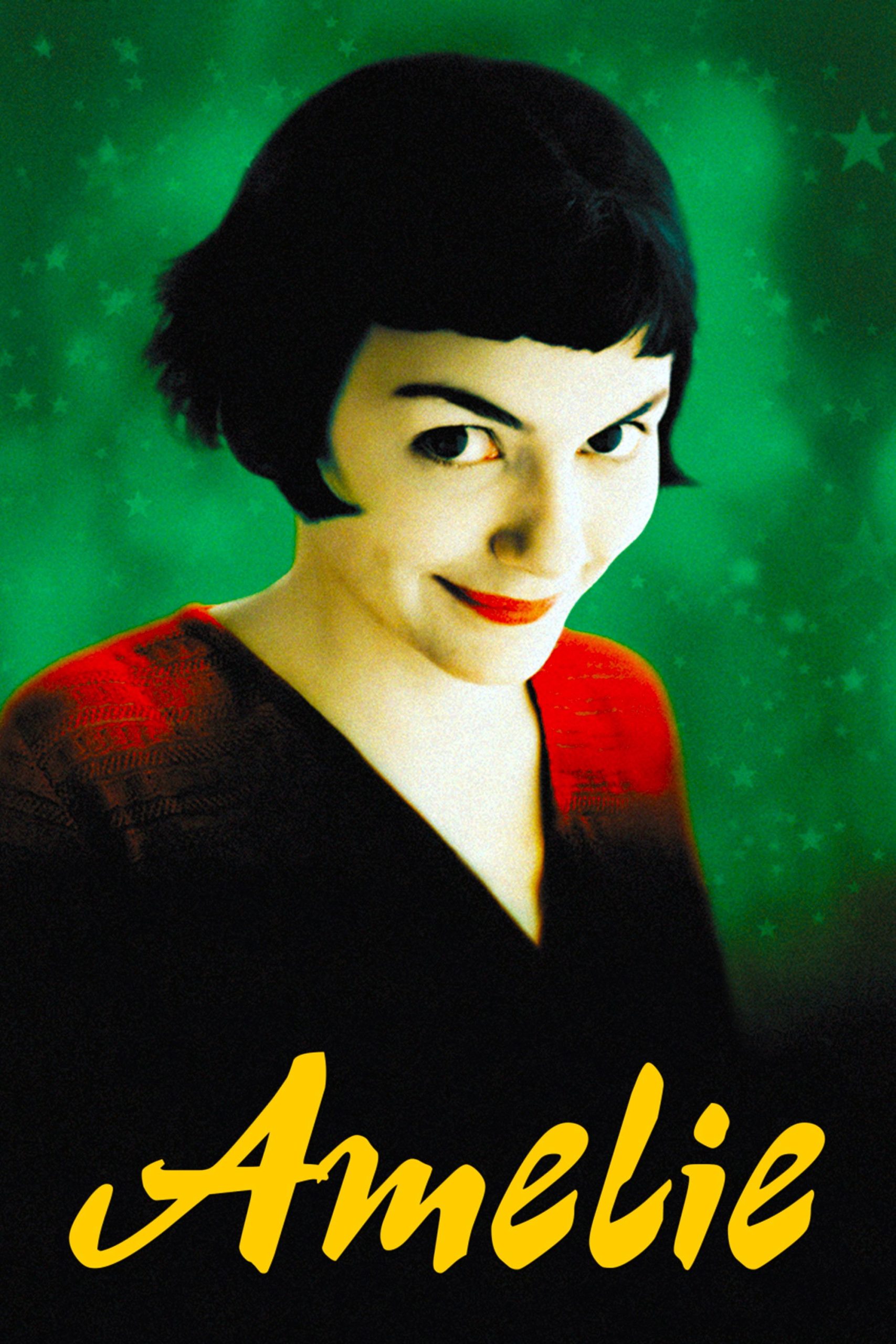
What the Film Is About
“Amélie” (2001) is a singular blend of whimsy and melancholy, set amidst the textured streets of Montmartre, Paris. Rather than simply tracing a romantic narrative, the film examines the internal and external journey of its protagonist, Amélie Poulain. Timid and imaginative, Amélie channels her longing for connection into covert acts of kindness, pushing herself to interact with—and shape—the lives of those around her. The narrative is less about resolving outward obstacles and more about an emotional reckoning: how an individual suppressed by shyness and past traumas learns to embrace vulnerability, intimacy, and self-acceptance.
The central conflict in “Amélie” is both personal and universal. It revolves around the struggle between isolation and connection, fantasy and reality. Amélie’s journey is not about achieving grand external feats but instead about opening herself to the unpredictable risk of love and engagement with the real world. Through a series of interconnected vignettes, viewers witness her movement from a shadowy observer to an active participant in her own life—a journey that is at once delightfully quirky and deeply resonant.
Core Themes
The fabric of “Amélie” is woven with intricate themes, the most prominent being the delicate interplay between solitude and connection. The film asks whether it is possible to touch the lives of others in meaningful ways while hiding behind the veil of anonymity or fantasy. At its core, “Amélie” is examining the moral and existential question of whether true happiness comes from small, unheralded acts of generosity—or from the courage to pursue one’s own desires.
Another vital theme is the transformative power of kindness and empathy. Amélie’s small interventions—a returned childhood treasure, a matchmaking effort, moments of gentle mischief—incarnate the idea that acts of goodwill can ripple outward, shaping destinies in subtle yet profound ways. This theme resonated especially at the turn of the millennium, a time of increasing technological connectivity but also growing urban alienation. In the decades since, Amélie’s message about the need for authentic interaction in an isolating world remains poignantly relevant.
Finally, “Amélie” interrogates the tension between imagination and reality. The film’s heightened visual style, with its saturated colors and playful narration, mirrors the protagonist’s internal world—a place of dreams, memories, and elaborate fantasies. Yet, the narrative makes clear that a fulfilling life cannot be found solely in daydreams. Instead, it suggests that genuine joy, meaning, and connection derive from the courage to step outside oneself and risk being seen in all one’s vulnerability.
Symbolism & Motifs
“Amélie” abounds with distinctive symbols and motifs that work in concert to reinforce its underlying messages. The motif of glass surfaces—windows, fishbowls, mirrors—repeats throughout the film, communicating Amélie’s status as both observer and participant in life. She is often depicted separated from others by transparent barriers, literally and figuratively on the outside looking in. This imagery encapsulates her self-imposed isolation, while also hinting at the possibility of breaking through those barriers.
The recurring use of childhood imagery—marbles, photo booths, hidden boxes—hints at the enduring influence of formative experiences on adult identity. By unearthing a long-lost box of childhood treasures, Amélie is prompted to consider how the past shapes the present, and how reclamation or reconciliation of lost innocence can catalyze personal growth.
Color also functions symbolically throughout the film. Director Jean-Pierre Jeunet employs a saturated palette dominated by reds and greens, imbuing the film with a fairy-tale quality. These colors often accompany moments of emotional intensity or transformation, visually cueing the viewer to the protagonist’s psychological state.
Finally, water is a subtle but persistent motif—whether in tears, rains, or the lonely goldfish. Water evokes flux and emotional movement, underscoring the narrative’s focus on change, cleansing, and rebirth.
Key Scenes
Key Scene 1
One foundational scene features Amélie discovering the tiny box of childhood treasures hidden behind her apartment wall. This moment is pivotal because it awakens in her both nostalgia and the urge to affect another’s life positively. Her subsequent quest to return the box compels Amélie into the world beyond her solitude. Emotionally, this scene marks the first time she finds meaning in intangible, human connection, pointing the way for all that follows.
Key Scene 2
A crucial scene occurs in the café where Amélie orchestrates a secret exchange to bring together her co-worker and a regular patron. The success—and partial messiness—of this intervention reveals the limits of playing puppeteer with others’ lives. While Amélie’s actions are rooted in heartfelt empathy, the scene also subtly questions whether orchestrating others’ happiness can substitute for finding one’s own. Here, the film challenges the protagonist (and the viewer) to consider whether goodness can exist without genuine personal engagement and risk.
Key Scene 3
The climactic scene in which Amélie, through a series of playful clues, finally allows herself to meet Nino, is charged with vulnerability and anticipation. This moment is not just about romance—it’s about Amélie daring to reveal herself authentically for the first time. The relinquishing of control, and the willingness to step out from behind her web of anonymous gestures, signifies her profound transformation. This scene encapsulates the film’s central conviction: it is only by risking openness that we can experience true intimacy and joy.
Common Interpretations
Among critics and audiences, “Amélie” is frequently interpreted as an ode to optimism and the magic of everyday life. Many see it as an inspiration—a reminder that small acts of kindness can have far-reaching impact, and that happiness is less about great accomplishments than the appreciation of life’s daily details. This feel-good reading, however, isn’t universal.
A significant strand of interpretation examines the darker undercurrents of Amélie’s world. Some critics point to the protagonist’s pronounced isolation and the ways in which her coping mechanisms (fantasy, voyeurism, manipulation of other people’s lives) reflect emotional wounds. For these viewers, the film is less a fairy tale and more a subtle meditation on loneliness, trauma, and the difficulty of forging real connections.
Additionally, cultural commentators have noted the film’s particular evocation of pre-digital, urban France—where anonymity and community intermingle. This perspective sees “Amélie” as both a celebration and gentle critique of a society marked by individualism and nostalgia.
Films with Similar Themes
- Julie & Julia (2009) – Both films explore how small, everyday rituals and acts of creativity can bring meaning to seemingly ordinary lives. Like Amélie, Julie finds a sense of purpose by reaching out to others—albeit through virtual means.
- The Secret Life of Walter Mitty (2013) – This film shares with “Amélie” a focus on an introverted protagonist who escapes into an imaginative inner world before finally taking steps toward actual human connection and adventure.
- Big Fish (2003) – Themes of fantasy versus reality, and the ways in which storytelling shapes personal identity, connect this film to “Amélie’s” whimsical tone and its celebration of wonder found within everyday existence.
- Her (2013) – Questions of loneliness, indirect connection, and the fragility of human relationships run through both films, though “Her” explores these ideas through the mediation of technology rather than quirky matchmaking.
Ultimately, “Amélie” communicates that the path to happiness lies in cultivating attention and tenderness toward the everyday: seeing, hearing, and caring for others in both large and subtle ways. It invites viewers to step outside their comfort zones, embracing the messy, beautiful risks of community and love. Anchored in turn-of-the-century Paris, yet timeless in its hopes and anxieties, the film endures as a celebration of empathy, vulnerability, and the belief that even the quietest among us can change the texture of the world.
For more context before choosing your next film, these perspectives may help.