
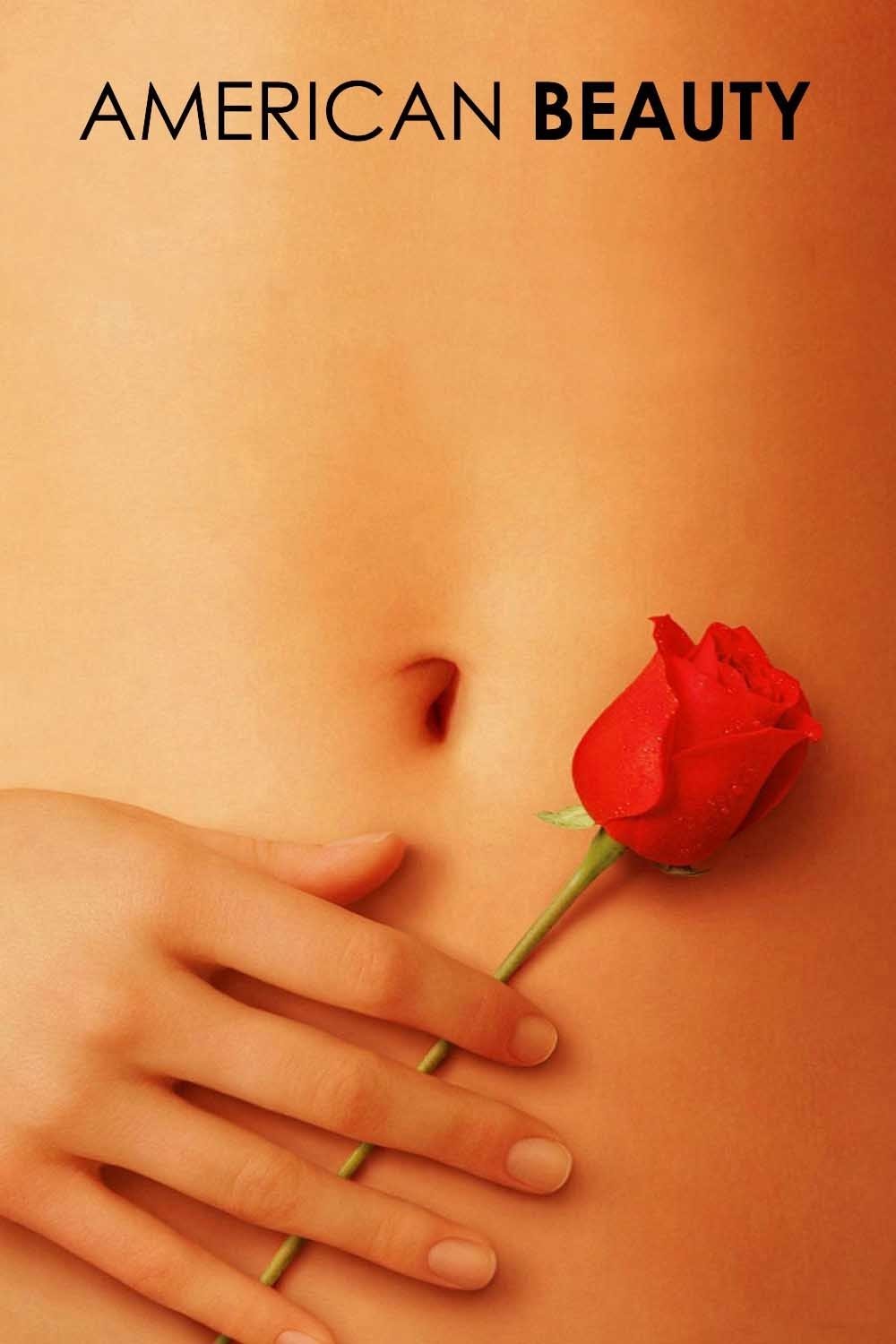
What the Film Is About
“American Beauty” is a searing and darkly comedic exploration of the hidden anxieties and discontents lurking beneath suburban America’s serene surface. The film’s emotional arc centers on Lester Burnham, a disillusioned husband and father who awakens from a life of quiet desperation, embarking on a reckless quest for freedom and sensory fulfillment. More than an individual crisis, the narrative traces the unraveling of a family and the psychological fault lines in a seemingly orderly community. As aspirations, desires, and unspoken regrets come to the forefront, “American Beauty” crafts an unsettling portrait of the cost of conformity and the ache for authentic connection.
Rather than presenting a straightforward tale, the film uses its characters’ personal struggles as windows into larger questions about identity, happiness, and the illusions of the American Dream. Through a blend of irony, intimacy, and visual metaphor, the story charts an emotional journey from repression toward ruthless honesty, exposing both the beauty and the despair that can emerge when illusions are shattered.
Core Themes
At its heart, “American Beauty” is an investigation into the gap between appearance and reality—particularly as it pertains to traditional notions of success, happiness, and family. One of the film’s primary themes is the spiritual emptiness that can result from pursuing socially sanctioned goals at the expense of personal fulfillment. Lester’s awakening is spurred not by noble ambition, but by the recognition that his life has become mechanized and joyless. His rebellion—however flawed—serves as a critique of a society that stifles individuality through rigid suburban codes and pressures to maintain appearances.
Another central theme is the fragility of identity and the longing for transformation. Each character is engaged in their own, often painful search for meaning: Carolyn, Lester’s wife, clings desperately to her vision of control and perfection; Lester’s daughter Jane seeks validation in the face of neglect; their neighbor Ricky subverts his oppressive upbringing through art and observation. Through these intertwined journeys, the film examines the possibilities and perils of breaking free from prescribed roles.
The notion of beauty—what it is, who defines it, and where it is found—threads through the entire film. True beauty is shown not in the artificial gloss of suburbia, but in fleeting, unexpected moments of authenticity: the swirling of a plastic bag in the wind, or a brief connection with another soul. In the cultural climate of the late 1990s, when prosperity and consumerism approached their zenith, the film’s skepticism toward surface-level happiness touched a nerve. Today, its caution against confusing image with substance remains exceptionally relevant.
Symbolism & Motifs
The visual and narrative texture of “American Beauty” is richly layered with symbols that reinforce its thematic points. Roses, perhaps the film’s most iconic motif, appear throughout as emblems of desire, sensuality, and danger. Their lush red petals evoke beauty and passion, while their thorns hint at pain and the cost of indulgence. This duality runs parallel to the film’s exploration of longing and its consequences.
Color is used with precision: red recurs not only through the roses but also in settings and costumes, signifying both vitality and latent violence. Mirrors and windows abound, suggesting the ever-present divide between the internal self and the image projected to the world. The motif of surveillance—whether through Ricky’s camcorder or the prying eyes of neighbors—underscores how characters are watched and judged, both by others and by themselves.
The plastic bag, memorialized in Ricky’s poetic monologue, stands as a symbol of transcendent beauty found in the ordinary and overlooked. Its erratic dance in the wind is a visual representation of the film’s plea to look past cynicism and control, and to recognize the possibility of grace in unexpected places.
Key Scenes
Key Scene 1
A pivotal moment comes when Lester quits his confining job in a dramatic, almost gleeful fashion. This scene is far more than a rebellion against a stifling workplace; it’s a symbolic break from the chains of self-denial that have kept him anesthetized. Lester’s liberation is exhilarating yet reckless, highlighting both the thrill and the danger of casting off social expectations. Emotionally, this is Lester’s point of no return—his willingness to upset the carefully balanced order of his life signals both hope and potential self-destruction. The scene distills the film’s meditation on the risks inherent in authenticity and the price of personal honesty.
Key Scene 2
Another crucial scene is the intimate conversation between Ricky and Jane, during which Ricky shares his video of the plastic bag and articulates his belief in the hidden beauty of everyday life. This exchange deepens the film’s central theme: that beauty is not synonymous with perfection or mainstream ideals. Ricky’s ability to find awe in something so mundane challenges Jane’s cynicism and despair, serving as a quiet counterbalance to the chaos unfolding in the adult world. Here, authenticity and vulnerability provide a fragile refuge amid the distortions of suburban existence.
Key Scene 3
Near the film’s conclusion, Lester’s confrontation with Angela, his daughter’s friend, operates as the ultimate test of his quest for desire and self-realization. Faced with the real, vulnerable Angela—stripped of her provocative façade—Lester is compelled to reconsider his fantasy in the harsh light of truth. This scene is both a reckoning and a redemption: Lester’s recognition of Angela’s innocence marks his own shift from selfish longing to empathetic understanding. It’s a turning point where the film’s exploration of illusions, desire, and compassion coalesce, making a final statement that true beauty is inseparable from our capacity for kindness.
Common Interpretations
“American Beauty” has inspired a host of critical perspectives since its release. Many agree that the film is a biting satire of American suburban life—a critique of materialism, repression, and the hollowness of the “perfect” lifestyle. Some see Lester as a tragic figure, whose rebellion is both a necessary awakening and a symptom of arrested development, ultimately doomed by his own limitations. Others interpret the film as a warning about the dangers of unchecked desire and escapism, particularly when they blind us to the value of genuine human connection.
A prominent interpretation centers on the way the film juxtaposes adolescent and adult yearnings. Lester’s pursuit of youthful pleasure has been viewed as a metaphorical crisis of masculinity and mortality, while the younger characters’ search for authenticity highlights generational divides in coping with disillusionment. Additionally, the film’s use of ironic narration—Lester’s detached voice-over from beyond the grave—adds another layer, prompting viewers to consider the interplay between fate, hindsight, and the meaning of individual moments.
While widely appreciated for its visual artistry and dark humor, the film has also drawn criticism for its portrayal of fantasy and sexuality, as well as its pessimistic view on the possibility of change within the suburban paradigm. Despite these debates, a broad consensus holds that “American Beauty” remains a powerful meditation on the pursuit of meaning in an increasingly commodified, surveilled, and emotionally isolated world.
Films with Similar Themes
- Revolutionary Road (2008) – This film similarly dissects the malaise and claustrophobia of suburban life, focusing on a married couple’s struggle against conformity and unfulfilled dreams.
- The Ice Storm (1997) – With its portrait of family dysfunction and social hypocrisy in 1970s suburbia, it parallels “American Beauty’s” exploration of appearances and hidden pain.
- Little Children (2006) – Delving into forbidden desire, loneliness, and the suburb’s moral paradoxes, this film echoes themes of escape and self-deception.
- The Virgin Suicides (1999) – While employing a different tone, Sofia Coppola’s film shares an emphasis on the tragic consequences of repression and the mysterious qualities of suburban adolescence.
Ultimately, “American Beauty” cuts through the facades of late-20th-century American life to reveal the longing, pain, and fleeting grace at its core. It challenges viewers to question not only the images they project, but also the standards by which they judge meaning and fulfillment. In both its era and ours, the film’s enduring power lies in its reminder that beauty, connection, and self-understanding are often found in places—and moments—most people overlook.
For more context before choosing your next film, these perspectives may help.