
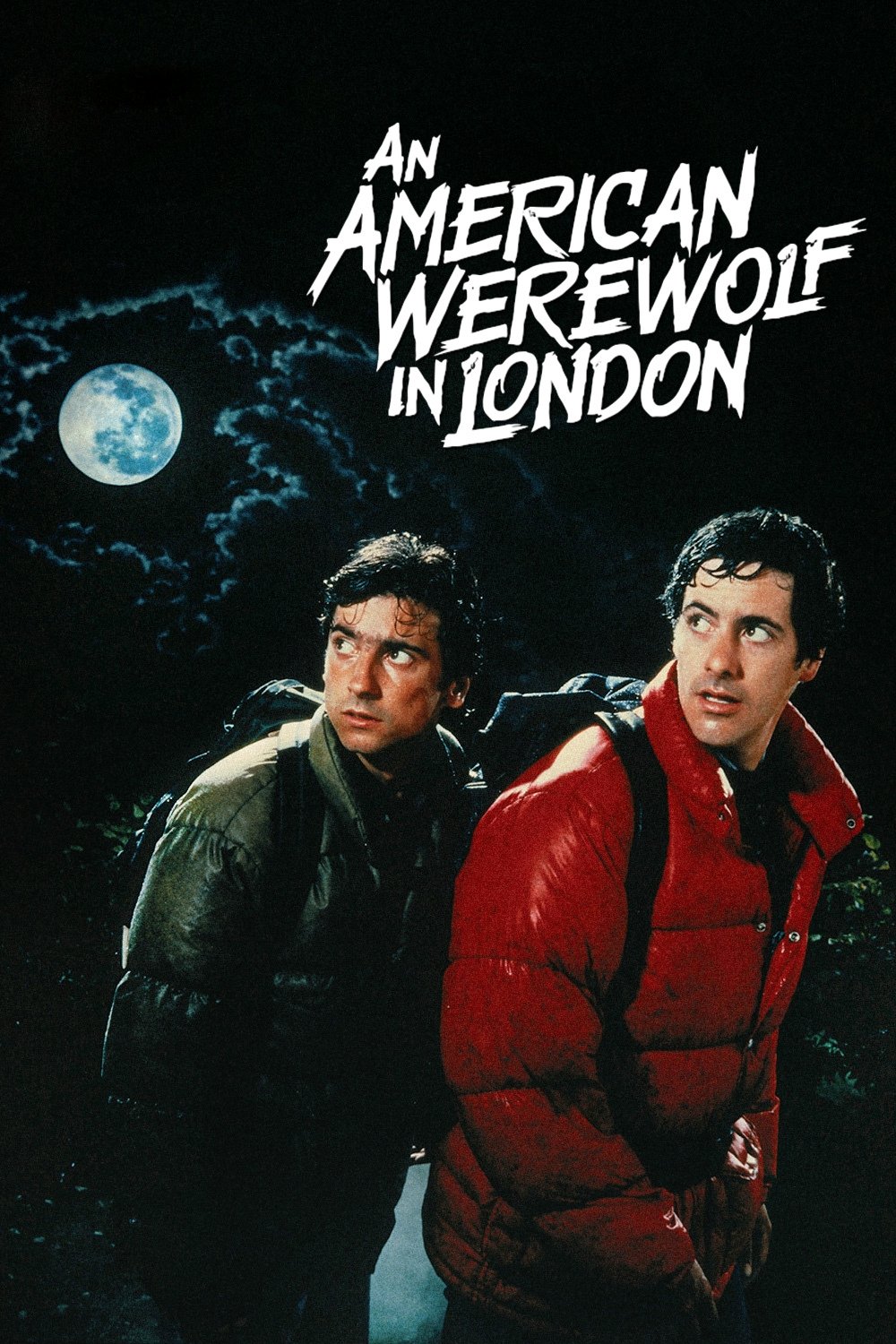
What the Film Is About
“An American Werewolf in London” (1981), directed by John Landis, is a horror-comedy that goes far beyond its genre trappings to explore themes of alienation, guilt, and transformation. At its core, the film chronicles the emotional journey of David, a young American tourist in England, who survives a brutal attack only to wrestle with the harrowing consequence of turning into a werewolf. His experience is not just a literal battle against a monstrous affliction, but an exploration of shame, alienation, and the shattering of innocence.
The central conflict is less about a supernatural predator and more about David’s struggle to comprehend and accept a reality that has become both horrifying and absurd. The film adroitly blends terror, comedy, and tragedy, always bringing the viewer back to the uncertainty and vulnerability of its protagonist. It invites audiences to reflect on how one copes when thrust, unexpectedly, into circumstances that defy understanding and upend personal identity.
Core Themes
A defining theme of “An American Werewolf in London” is the crisis of identity. David’s transformation offers a lens through which to examine the loss of self-control, as well as fears about what lurks within us all. The werewolf’s bite is not merely a curse but a metaphor for the disruptive force of trauma—sudden, life-altering, and isolating. Landis uses horror to externalize psychological distress: David’s struggle with his monstrous side mirrors anyone grappling with inner turmoil or guilt over actions beyond their control.
Another central idea is the burden of guilt and inherited violence. David is haunted—literally—by the undead victims of his new, uncontrollable appetite. This haunting can be read as a manifestation of survivor’s guilt, or the lingering conscience that follows destructive acts. The film also reckons with cultural alienation: a young American lost and disoriented in foreign landscapes, misunderstood by the people around him, and unable to find solace. In the context of the early 1980s, this speaks to anxieties about identity and globalization, about individuals confronting rapidly changing worlds that render them powerless. Decades later, these worries about loss of agency, guilt, and what it means to be “monstrous” are perhaps even more relevant given ongoing social and psychological challenges.
Symbolism & Motifs
The werewolf transformation, rendered with then-groundbreaking special effects, is the film’s most explicit symbol. It represents not only the body’s betrayal, but the uncontrollable ferocity of repressed desires or fears erupting into the open. This process is purposely agonizing—a literal tearing apart of self—and it cannot be reversed or contained.
Other motifs reinforce this sense of unease. The recurring use of mirrors and reflections invites the audience to consider identity and perception: David often sees himself as “normal”, but the mirror reveals the monster within. The British landscape in which David finds himself lost, isolated, and pursued underscores the motif of the outsider adrift in a cold, unwelcoming world. There’s also an ironic use of music—cheerful songs about the moon accompany moments of dread and violence, suggesting both the unpredictability of fate and the way society tries to mask darkness with levity.
Key Scenes
Key Scene 1
David’s first full transformation stands as an iconic and pivotal moment for the film and its audience. Beyond its technical achievement, the scene is a metaphorical crucible for David’s humanity. It is not a glamorous or empowering change, but an agonizing, humiliating ordeal. The raw pain and fear on display suggest the absolute helplessness one can feel when overwhelmed by forces within oneself. Here, Landis communicates that becoming “the monster” is not a choice—David is both perpetrator and victim, illustrating the tragic nature of his fate.
Key Scene 2
The encounters between David and the undead, especially with his friend Jack, bring the theme of survivor’s guilt into sharp focus. These encounters are laced with dark humor but are fundamentally tragic. Jack, mangled and yet eerily nonchalant, appears to remind David of his responsibility for the deaths that follow. This spectral guilt, physicalized on screen, probes whether one can ever make amends for actions they did not wish to commit. It also questions the adequacy of apologies and the inescapability of consequences, underscoring the film’s meditation on moral accountability.
Key Scene 3
The film’s climax, set amid the chaos of a transformed David rampaging through London, brings full circle the film’s interrogation of monstrosity and belonging. The conclusion, marked by sudden violence and tragic finality, makes a clear statement about the limits of compassion and the inevitability of fate. Here, David’s potential for redemption is extinguished—not because of a failure of will, but because some transformations cannot be undone. The abruptness of the ending offers no easy comfort, reinforcing the horror not simply of the monster, but of the human cost of isolation and powerlessness.
Common Interpretations
“An American Werewolf in London” is most often read as a darkly comic rumination on alienation, coming-of-age, and the terror of losing control of one’s life. Many interpret David’s ordeal as a metaphor for internal struggles, whether psychological or emotional. Some critics see the film as a commentary on cultural dislocation—the “American abroad” unable to assimilate or be understood, forced to confront the unknown on his own terms.
Another common interpretation centers on the film’s treatment of guilt and consequence. The supernatural elements are viewed less as scares and more as externalizations of internalized guilt; the victims who return serve as personifications of a conscience that will not let go. Viewers have also highlighted the film’s tonal balance—a rare blend of horror and comedy—as a way of confronting tragic reality: when horror becomes too much to bear, humor can serve as an emotional valve.
Some have pointed to the film’s treatment of fate and powerlessness, suggesting that David’s story reflects a broader commentary on the random, often cruel nature of existence. In this reading, the monster within is simply an exaggerated version of the disruptive events that can touch anyone’s life, unexpectedly and irrevocably.
Films with Similar Themes
- The Fly (1986) – Both films use body horror as a lens for exploring human transformation, alienation, and the terror of uncontrollable change.
- The Howling (1981) – Released the same year, this film similarly interrogates the duality of human nature and the internal struggle with primal instincts.
- Let the Right One In (2008) – Though centered on vampires rather than werewolves, it explores the pain of outsider status, guilt, and unlikely companionship amidst horror.
- Bram Stoker’s Dracula (1992) – Investigates love, monstrosity, and identity through the lens of supernatural affliction and the burden of inescapable destiny.
Ultimately, “An American Werewolf in London” communicates a bleak but empathetic message about the human condition. It reminds viewers that inner monsters—be they traumas, guilt, or identity crises—are inescapable parts of life’s unpredictability. Yet the film suggests these burdens are compounded by isolation: understanding and genuine connection are ultimately out of reach for those who bear invisible afflictions. Landis’s film thus echoes the anxieties of its era—transformation, loss, and alienation—while inviting reflection on how we confront, contain, or succumb to the monsters within ourselves.
If you’re deciding what to watch next, you might also want to see how this film holds up today or how it was originally received.