
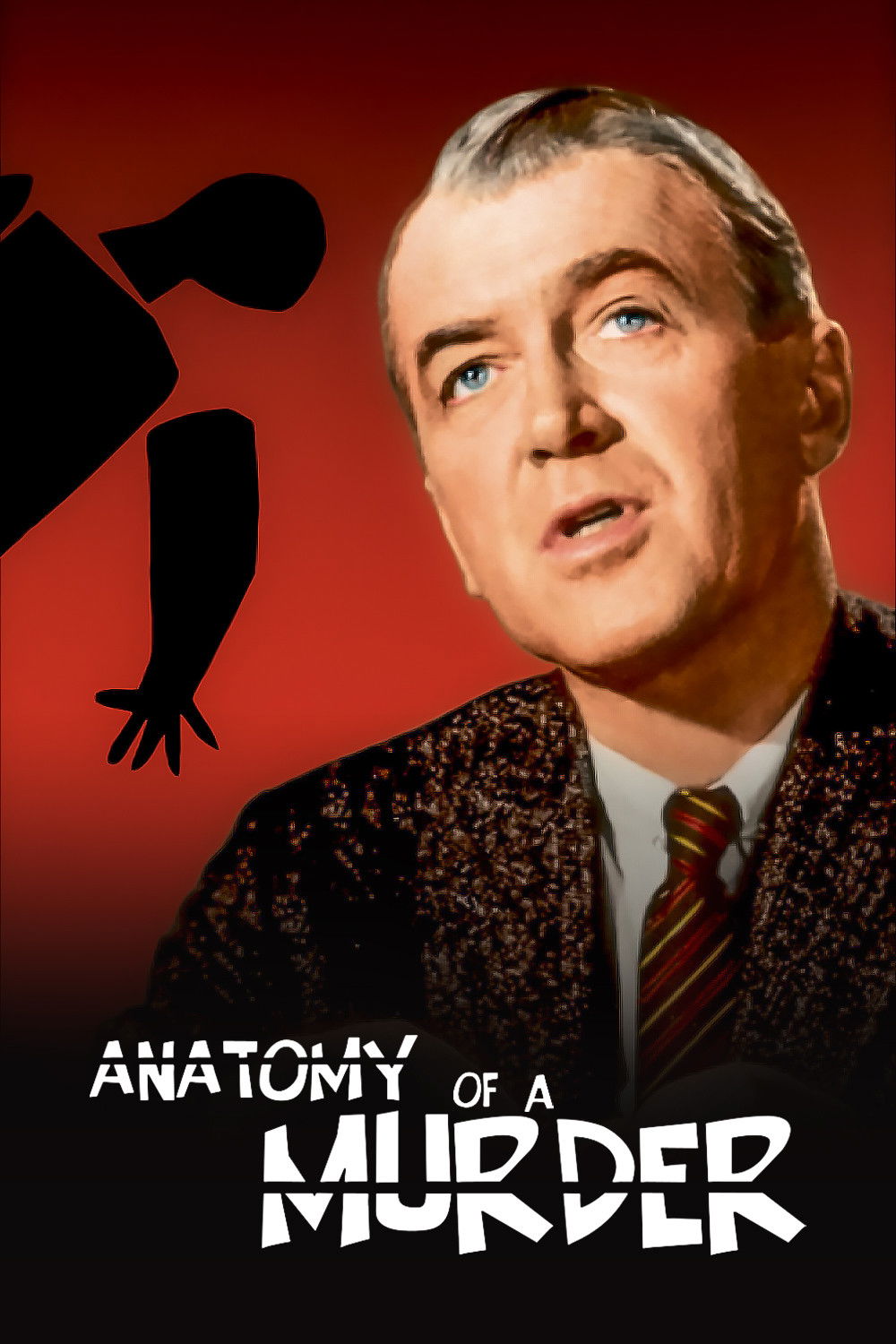
What the Film Is About
The first time I watched “Anatomy of a Murder,” I couldn’t shake the feeling that the walls of the courtroom were closing in—not just around the accused, but around every person in that tight, tense county. This film doesn’t simply offer a procedural drama, nor does it move along the well-worn tracks of good versus evil. What drew me in was its careful, almost surgical dissection of ambiguity—of motive, justice, and truth. The story’s skeleton is a mesmerizingly complex criminal trial, spreading out into a web of emotional stakes: shame, loyalty, vulnerability, and the murky gray zones that lie between outright guilt and utter innocence.
Rather than giving me a clean narrative arc, “Anatomy of a Murder” asks me to sink into the shifting currents beneath the official surface—how memory, bias, and power play out in each testimony. The film tunes itself to the emotional dissonance of its characters, especially the defense attorney Paul Biegler. He’s neither hero nor scoundrel, but an outsider forced to confront what it means to seek justice in a system that rarely delivers anything pure. What I found most potent was how it left open the question of where truth really resided: in the facts, the performances, or somewhere even more hidden.
Core Themes
What I find most persistent about “Anatomy of a Murder” is its fierce commitment to moral uncertainty. For me, this never feels like a coy trick. Instead, the film offers a meditation on justice as an evolving negotiation—with the legal system less an instrument of absolute right, more a theatre where self-preservation, manipulation, and social pressures are always at work. Its core theme, to my mind, is the slippery nature of truth: every supposed fact is refracted through bias, memory, or personal agenda.
This strikes me as particularly radical for an American film of the late 1950s, a moment so often imagined as buttoned-up and certain. The movie aired the possibility that law itself is not naturally fair, that it can be as subjective and flawed as the people who enforce and interpret it—ideas that, during a decade wracked by civil rights struggles and growing public skepticism, must have landed like a charge of electricity. Even now, as public faith in systems of justice wavers, I recognize these questions as alive and urgent.
Beneath this, the film looks closely at power—gendered, institutional, economic—and how it hides inside courtroom language and performances. The central assault case exposes how easily sympathy can be manufactured, and how trauma can be alternately erased or performed, depending on what’s convenient for the actors involved. Yet, even as “Anatomy of a Murder” exposes these undercurrents, I sense a dark humor and hard-earned wisdom about the persistence of human ambiguity. The film seems to insist that no matter how fancy our words or meticulous our laws, we are still always, reluctantly, muddling through the truth.
Symbolism & Motifs
As I revisit the film, what catches my eye are recurring motifs that act like signposts—guiding (and sometimes tricking) me through its thicket of uncertainties. The most obvious is the courtroom itself: a stage where identities are worn and discarded, a microcosm of a larger society where everyone is always half-acting. It’s both shelter and trap. Each formal, wood-paneled surface becomes a mirror for the characters’ inner states—sometimes rigid and dignified, at other moments cold and indifferent.
I also find myself haunted by the recurring presence of music throughout the film, especially Duke Ellington’s sly jazz score. The unpredictable, offbeat rhythms become a kind of auditory parallel to the chaotic, improvisational strategies in the trial. Jazz, after all, thrives on motif and variation—the perfect metaphor for legal sparring where themes are repeated, twisted, reframed. In much of the film, the music is not just background; it signals that emotion and intuition can be as powerful as logic, reinforcing a world where truth is constantly being riffed upon.
The motif of fishing—introduced early with Biegler’s love for angling—serves, in my reading, as an emblem of patience and guile. The fishing line, cast into murky waters, becomes a subtle metaphor for the act of cross-examination: probing, waiting, teasing out something hidden beneath the surface. I see the attorney’s tactics as a kind of intellectual angling, with each question baited for an unpredictable catch.
Key Scenes
Key Scene 1
What truly shook me early on is the moment Biegler listens quietly to Laura Manion’s raw, sometimes awkward account of what’s happened. This scene isn’t just about facts being established; it’s about the process of trust, vulnerability, and mutual suspicion. What lingers for me is how reluctant, even resistant, Laura seems as a participant in her own narrative. The uncomfortable silences and the glances that shift between confidence and doubt leave me understanding just how deeply the film is invested in examining who owns a story—and how easily one’s account of trauma can be warped, performed, or doubted. Here, I see the film signaling its refusal to present any character as pure victim or villain.
Key Scene 2
Later, a cross-examination scene becomes a crucible for the film’s larger thematic project. The prosecution’s methodical dismantling of the defense’s temporary insanity plea, for me, crystallizes the notion that truth in court is not a single diamond but rather a fissile, ever-splitting prism. The lawyers’ rhetorical flourishes, deliberate misdirections, and even their subtle body language create a performance where almost nothing is what it appears to be. I felt myself drawn into the spectacle—uncertain, persuaded, then suddenly alienated. This scene lays bare how easily emotional manipulation and rhetorical gamesmanship can masquerade as justice, offering no comfort to those who want certainty.
Key Scene 3
Finally, the verdict delivery operates not as catharsis but as existential hangover. When the jury files their decision, what struck me is not triumph or heartbreak, but a yawning ambiguity. No heroic dissolves, no clear moral satisfaction—just the awareness that something irretrievable has shifted within everyone, perhaps the entire community. This moment, for me, is the most honest in the film: victory in court is not victory in life, and whatever has been won is tainted by doubt, exhaustion, and unresolved pain. The film seems to suggest that the very process of sorting right from wrong is itself a kind of loss, exposing more questions than it resolves.
Common Interpretations
Over the years, I’ve encountered a lively debate about what “Anatomy of a Murder” is ultimately arguing—or if it even tries to argue anything at all. For many viewers and critics, the film stands as a paean to the American legal process: gritty, imperfect, but ultimately fair. These readings see Biegler as a flawed knight, fighting for procedural justice even when the outcome is morally uncertain. Some, especially viewers invested in mid-century ideals, read the film as a defense of due process—no matter how uncomfortable the acquittal may feel.
Yet, I’m endlessly intrigued by a more skeptical interpretation that sees Preminger’s film as a critique of legal theatre itself. In this view, the trial is little more than a stage where performance overshadows truth. Here, the process is not inherently virtuous, but is, instead, built on gamesmanship, power dynamics, and the strategic exploitation of doubt. For adherents of this interpretation (and I often find myself among them), the film’s refusal to provide moral guidance is not a flaw but precisely the point; it exposes the limitations of institutional justice while suggesting that real people—and real pain—often get lost along the way.
There’s also a rich line of feminist critique, especially around the character of Laura Manion. I find it almost impossible not to notice how the film lays bare, subtly and yet relentlessly, the judgments and suspicions aimed at women who do not fit the mold of victimhood society is willing to sympathize with. To see her shifting personas as simple inconsistencies is, in my view, to miss the film’s greater point: that society finds it easier to judge a woman’s behavior than to confront violence or injustice against her. I believe the film interrogates not just legal truth, but social truth—how stories are shaped by the prejudices and hungers of the audience.
Films with Similar Themes
- 12 Angry Men (1957): I often draw a straight line between the two films for their exploration of judicial uncertainty. Both invite viewers to scrutinize the process of deliberation and to question whether objectivity or bias prevails behind closed doors.
- To Kill a Mockingbird (1962): While this film is perhaps more invested in innocence and moral clarity, I see a shared concern with how justice can be shaped—and distorted—by community, prejudice, and the fallibility of witnesses.
- Witness for the Prosecution (1957): The atmosphere of ambiguity and shifting allegiances in “Anatomy of a Murder” finds an echo here, particularly in its interest in legal gamesmanship and unreliable testimony.
- In the Heat of the Night (1967): For me, this film’s interrogation of institutional racism and the bias threaded through law enforcement deepens the conversation about how legal truth is inseparable from social power.
When all is said and done, my experience with “Anatomy of a Murder” leaves me less assured about the power of justice than most courtroom dramas ever do. What I hear, in its muted revelations and ambiguous conclusions, is an honest accounting for the messiness of human nature. The film suggests that the quest for truth is always compromised—not just by liars or incompetents, but by the sheer complexity of personal experience, trauma, and memory. That its protagonists remain unsettled—that its viewers leave with more questions than answers—is, for me, its most lasting and deeply human statement. It’s a film that doesn’t just dismantle the easy binaries of innocence and guilt; it quietly demands that we grow up and live, awkwardly but honestly, in the space between them.
For more context before choosing your next film, these perspectives may help.