
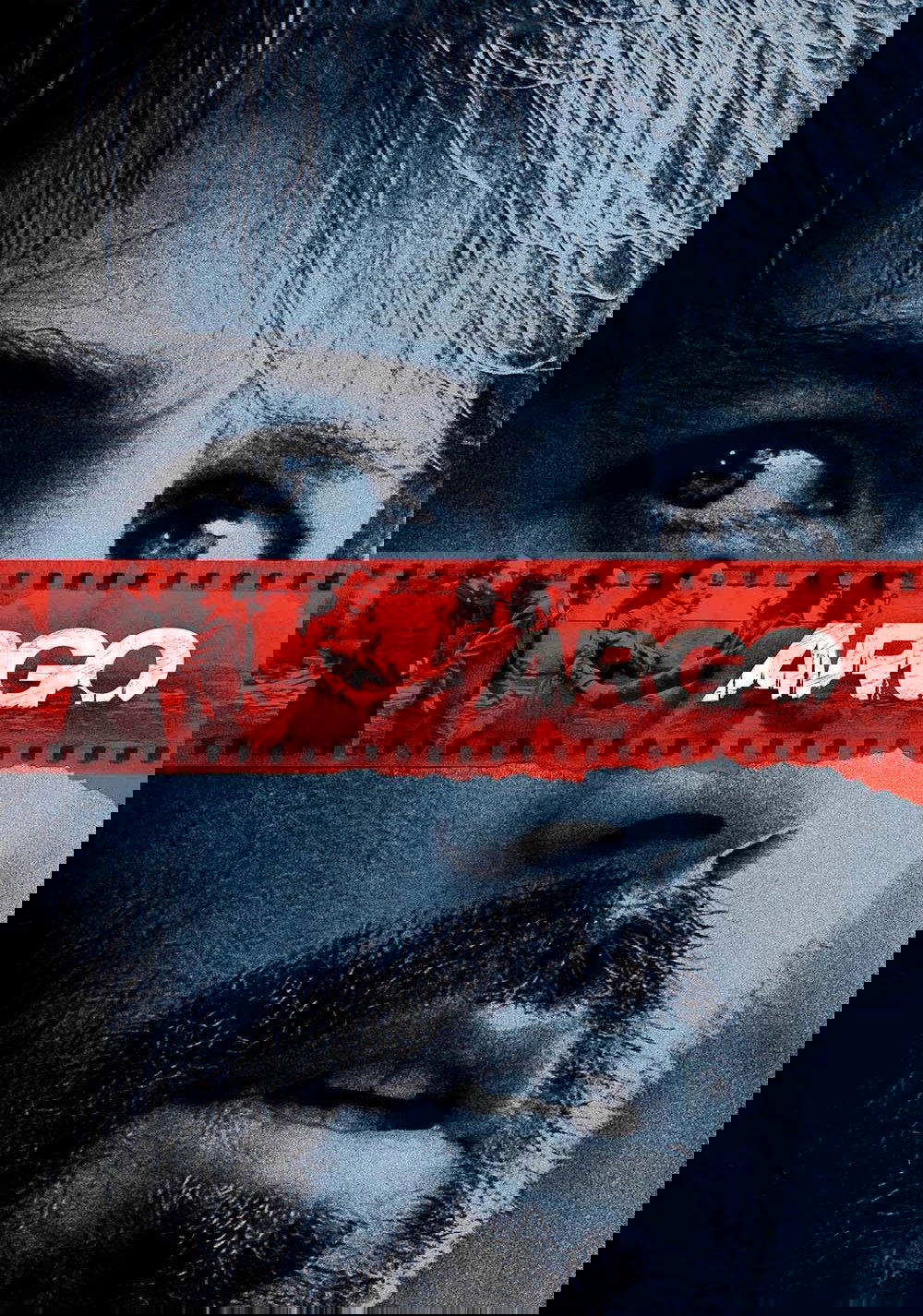
What the Film Is About
When I first experienced “Argo,” I was immediately struck by how it doesn’t simply recount a daring rescue, but rather inhabits the emotional whiplash that comes with being thrust between rampaging history and private courage. There’s a constant unease lying beneath the story—a sense of being caught in an unsolvable bind, where doing nothing is unforgivable yet action seems impossibly risky. At its heart, I felt “Argo” isn’t about political intrigue or even heroism in its grandest sense, but about the shaky ground between truth and illusion, and the inventive ways ordinary people try to survive when the world turns surreal.
The central conflict, as I see it, revolves around the battle between façade and authenticity—whether in the guise of a fake Hollywood film or in the danger-laden post-revolutionary streets of Tehran. I was haunted by how the characters aren’t so much moving toward triumph as they are running from exposure, both literal and metaphorical, fighting to keep their constructed reality from crumbling. I left the film not merely relieved by the final outcome, but moved by the desperate hope that the stories we tell—about ourselves, about our nations, about what is real or fake—might save us, at least for a little while.
Core Themes
Digging beneath the surface, I’m convinced “Argo” is fundamentally about the paradoxical power of illusion. I was fascinated by how it explores the fine line between deception as a tool of survival and as a poison corroding trust. To me, the film taps into the murky territory of truth in a media-saturated age—how the myth-making machinery of Hollywood and the shadowy games of intelligence both depend on narrative, performance, and belief.
Another theme that resonated with me is the fluid nature of identity. Watching the six Americans posing as a Canadian film crew, I was reminded of all the ways we perform for safety or acceptance. In that sense, “Argo” isn’t just about international subterfuge; it’s about the masks people wear under pressure, and the tightrope walk between losing yourself in the role versus leveraging it to survive.
The film also meditates deeply on loyalty—to country, to colleagues, to loved ones—and the painful choices that such commitments often demand. When I consider the context of its 2012 release, I see echoes of anxieties about real and manufactured narratives, about who gets to define history, and about the continuing consequences of American foreign interventions. These themes, in my view, have only grown more relevant. Whether I think about competing versions of the “truth” in a post-fact era or about personal integrity in a world gone askew, “Argo” still matters today, because it captures the inside-out logic of living when everything solid has turned to quicksand.
Symbolism & Motifs
For me, “Argo” brims with recurring images and motifs that render its core ideas with subtlety and power. The motif I found most striking is that of the mask: not just literal disguises and false identities, but the everyday masking of fear, doubt, and longing. When Tony Mendez constructs the pretense of a sci-fi film, I see it as both a lifeline and a cage—salvation through performance, but also a reminder that the “truth” is always mediated and vulnerable.
The recurring sight of locked gates, barriers, and checkpoints bored into my mind. Each barrier seems to stand not just for physical peril, but for the unseen walls—of culture, of misunderstanding, of suspicion—that make human connection so fraught. I was also struck by the persistent motif of film—reels, storyboards, scripts—not only as props but as emblems of how narrative both shapes and distorts reality. Every time the fictional film-within-the-film takes center stage, I’m reminded how storytelling can be both weapon and shelter.
And there’s the constant interplay of light and darkness—a visual motif that, to me, underscores both literal danger and the characters’ internal, psychological uncertainty. Shadowy interiors, harsh fluorescent lights, and sun-bleached streets reinforce a world where clarity is fleeting. I see in this lighting scheme a symbol for the murkiness of political reality and the lengths to which people will go to chase slivers of hope.
Key Scenes
Key Scene 1
One moment that lingers with me is the sequence when Tony Mendez pitches the fake movie in the midst of Hollywood glitz and cynicism. For all its brisk humor, there’s an undercurrent of desperation in the way Mendez and his collaborators craft an extravaganza of make-believe. In my eyes, this scene crystallizes the film’s challenge: can manufactured illusion serve a higher, even heroic purpose? The juxtaposition of earnest life-or-death stakes with cynical industry banter drove home, for me, how the machinery of storytelling can be warped into something essential and redemptive. It’s not just a send-up of Hollywood—it’s an inquiry into whether fakery, when wielded with care, might be the best (or only) weapon to fight an impossible situation.
Key Scene 2
For me, the tension at the Tehran airport pulses with existential anxiety. It’s not just a matter of passing through a checkpoint; it’s a crucible where performance, identity, and fear collide. Watching the Americans, chameleonic in their fake roles yet frightfully exposed, I felt the full, gut-twisting impact of the question: What is left of a person when every aspect of their being is up for scrutiny and negation? Their nerve-wracking improvisation and mutual reliance under pressure speaks volumes about how the film views solidarity—not as a comforting platitude, but as a lived, muscular resistance to dissolution. Here, all the film’s themes—illusion as survival, the cost of trust, the double-edged sword of narrative—boil over in a single, suspended moment.
Key Scene 3
The scene I find most powerful is the quiet, post-rescue aftermath, as Mendez returns home and the private world resumes—a world that cannot comprehend the enormity of what’s transpired. There’s a muted relief, but also an emptiness, as if after all the pretense and danger, the rewards are strangely intangible. In the simple act of removing souvenirs and costumes, I sensed the film asking what any “true story” really means: Is success in the eyes of others less real for being secret? Is the self who endures ordeal and the self who resumes normalcy one and the same? This epilogue, for me, isn’t just denouement—it’s the film’s essential statement about the personal cost of living double lives, and the fragile comfort of small, private victories in a world that rewards spectacle and discourages honest reckoning with ambiguity.
Common Interpretations
I’ve noticed that “Argo” tends to spark wide-ranging interpretations among critics and audiences, a fact I believe attests to its layered ambitions. Many see it as an allegory for the nerves and improvisations required in real-world diplomacy, taking the rescue as a parable for the high-wire acts of statecraft and the courage it demands from individuals inside government machinery. Others, myself included, view the film as a meditation on narrative manipulation, drawing parallels between Hollywood’s fiction-fabricating and covert operations’ mythmaking. There’s been debate—sometimes heated—about whether the film oversimplifies or distorts history for dramatic effect, but even these critiques point, in my estimation, to its self-awareness about the slipperiness of truth.
I’ve also encountered readings that focus on the cross-cultural dynamics, especially regarding the Iranian revolution and its aftermath. Some feel the film falls into orientalist clichés, while others argue it’s a critique of American hubris and the perils of playing savior, even with good intentions. Then there are those who view “Argo” primarily as a tribute to the everyday bravery of people swept up by history: a story not of heroes and villains, but of regular folks wrestling with impossible choices. What stands out for me in these responses is how “Argo” reflects anxieties about authenticity and the cost of living in a world where image so often trumps substance.
Films with Similar Themes
- All the President’s Men (1976) – I see a kindred spirit in this film’s investigation of truth, deception, and the power of narrative to guide or mislead a nation, much as “Argo” explores the blurry line between fact and fabrication in moments of crisis.
- Munich (2005) – Both films, in my view, probe the toll of clandestine operations on personal and collective identity, and the moral compromises required to navigate violent, unpredictable settings.
- Three Days of the Condor (1975) – For me, this film similarly dwells on paranoia, trust, and the role of storytelling in survival, aligning with “Argo’s” atmosphere of uncertainty and manufactured reality.
- Bridge of Spies (2015) – I’m struck by how both films focus on negotiation, double lives, and the tension between national duty and private morality, highlighting the high stakes of personal integrity amidst global turmoil.
I keep returning to “Argo” not because it gives tidy answers, but because it understands that, sometimes, illusion isn’t simply deception, but a hard-won form of truth. It’s a film that, for me, insists on the raw necessity of invention—not just as creative play, but as desperate stratagem, as shield, as a sometimes troubled salvation. I’m left with the faint, uneasy conviction that the stories we spin, no matter how transparently false, are often all that stand between chaos and survival. “Argo,” in its anxious, breathless way, tells me that human nature isn’t defined by heroic certainties but by our restless, ambiguous attempts to wrest meaning and safety from the swirl of contingency and upheaval. And in an age when both personal and collective histories are continually contested, that’s a message that lingers—disturbing, necessary, and more relevant than ever.
For more context before choosing your next film, these perspectives may help.