
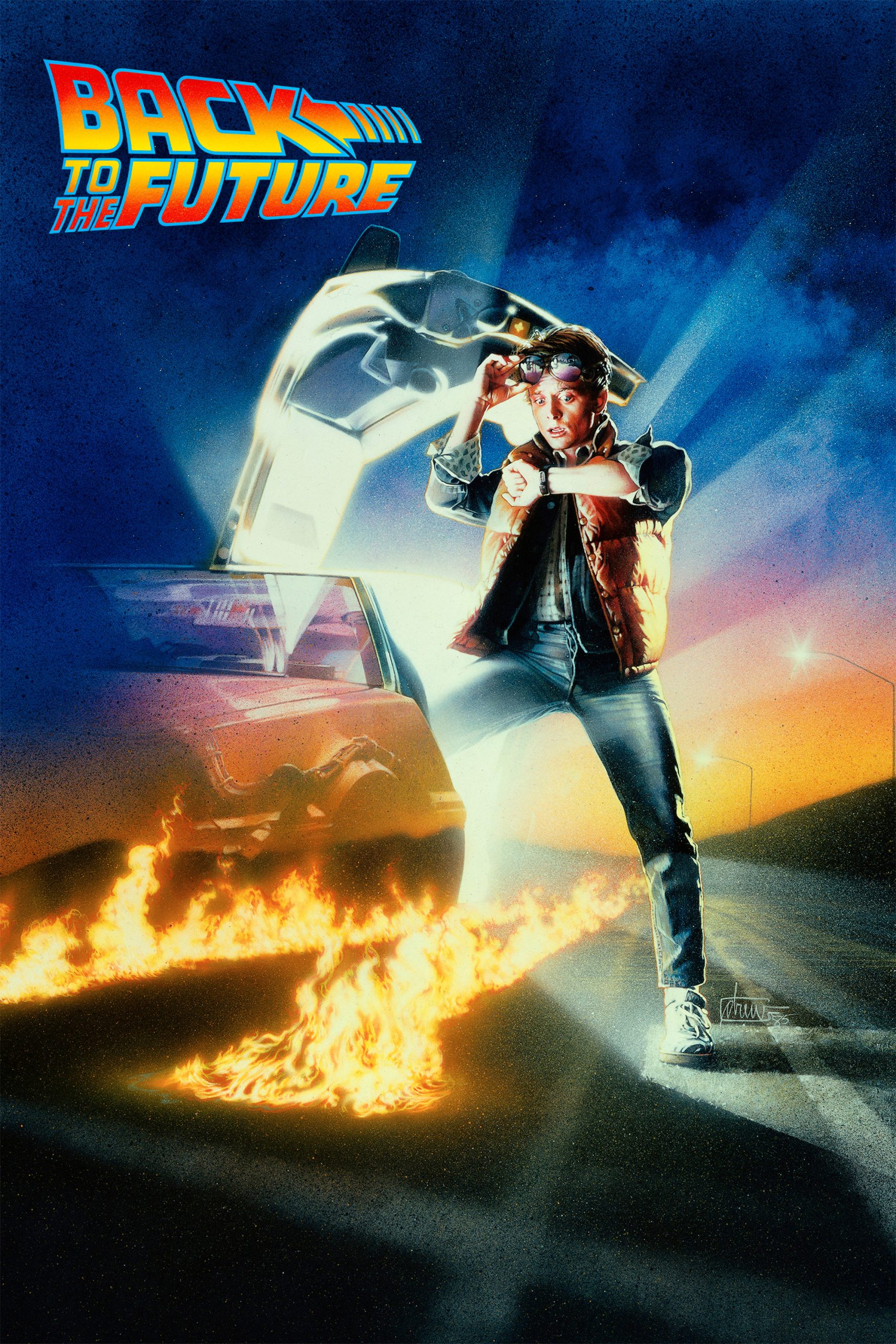
What the Film Is About
Few movies have left me as exhilarated or contemplative as Back to the Future (1985). Beneath its high-octane, sci-fi exterior, I see a film about the anxiety and hope of rewriting one’s own story. Watching Marty McFly, I feel thrust into an emotional current that mixes generational disappointment with possibility. The heart of the movie isn’t about flux capacitors and skateboards—it’s about the longing to mend what we think is broken in our families, ourselves, and the world we inherit.
At its core, this film always strikes me as an emotional gamble: What if you could fundamentally change the things that shaped you? There’s an unsettled, often humorous desperation in Marty’s journey, but it’s his growing empathy for his young parents and his understanding of sacrifice that give the film its true resonance. I see conflict not just in outwitting bullies or making it “back in time,” but in reconciling who we are with who we wish we—or our loved ones—could become.
Core Themes
Whenever I revisit Back to the Future, the most persistent theme I feel pulsing throughout is the tension between fate and self-determination. The film toys with the idea that our choices ripple outward, altering not only our own destinies but the lives of those around us. Marty’s accidental interference in his parents’ formative moment opens up a chasm of existential angst—do we have the power to direct our lives, or are we doomed to repeat the failings of our predecessors?
This anxiety about time resonates far beyond just adolescent fantasy. When I watch the film, I see the shadow of Reagan-era America, an era preoccupied with family values, personal achievement, and nostalgia for the purported simplicity of the 1950s. The movie’s romantic revisitation of the past isn’t blind; it lays bare generational flaws—the bullying, the conformity, the repression—while letting its characters imagine a more courageous, self-assertive future. Marty’s presence in 1955, especially as someone from 1985, is a collision of innocence and cynicism, with each era exposing the limitations and hopes of the other.
Family is the gravitational center in this movie for me. The longing to redeem a disappointing parent, to heal the wounds that echo from one generation to the next, is laid bare through comedy as well as angst. The film’s most poignant message, the way I see it, is the radical empathy that comes from seeing your parents as flawed, striving human beings. Love is both absurd and redemptive—Marty’s journey frames it as something that must actively be chosen.
On a different note, the idea of identity is threaded throughout. By literally stepping into the world that made his parents who they are, Marty’s forced to grapple with the uncomfortable fact that his self-image—and his family’s present—are the sum of choices, accidents, and missed opportunities. These themes endure because they echo the universal wish to shape one’s own life, to reroute paths we assume are already set in stone.
Symbolism & Motifs
One of the recurring images that has always fascinated me is the DeLorean time machine itself. It’s more than a flashy car; the DeLorean functions as a vessel of hope and regret. Every jump through time embodies the fantasy of undoing past mistakes, but it also delivers a sharp reminder: we rarely anticipate the consequences of even our smallest choices. I can never shake the sense that every ignition is both liberation and peril—an opportunity to fix things, but also to break them further.
The motif of clocks and timepieces is omnipresent, looming over both pivotal moments and mundane interactions. From the opening credits, with their meticulous shots of ticking clocks, to the do-or-die urgency of the town square’s clock tower, time feels like both an ally and an adversary. I interpret these images as constant reminders of mortality, reminding me that every second matters, but also that no one has infinite chances.
Music, too, plays a cleverly symbolic role. Marty’s electric guitar and the wholesome 1950s dance underscore the tension between rebellion and conformity. For me, the musical motifs blend past and present, tradition and change—each note signaling Marty’s internal struggle to disrupt the status quo without erasing his own sense of self.
Finally, I am drawn to the motif of photographs—most notably, the fading image of Marty and his siblings. The photo becomes a visual barometer for family continuity; as decisions in the past unravel the future, the photograph physically erases the evidence of connection. It’s a potent symbol of fragility and the unseen consequences of our actions.
Key Scenes
Key Scene 1
If I had to choose a single moment that encapsulates the film’s message, it’s the electrifying scene where Marty’s hand starts to disappear while he plays guitar on stage at the “Enchantment Under the Sea” dance. The vanishing hand is more than a sci-fi gimmick; it’s a visceral portrayal of erasure—of how easily our sense of belonging and continuity can be shattered by our own actions. In that moment, I always feel the stakes shift from escapist adventure to something deeply existential: our identities are inseparable from the choices of those who came before, and our presence in the world is fragile, contingent.
Key Scene 2
The confrontation between George McFly and Biff Tannen at the high school dance transforms more than just the power balance between the two characters. For me, it’s a scene that crystallizes personal agency and the courage it takes to break cycles of victimhood. George’s newfound strength shatters the inertia of his past, and I see this as the film’s bold statement that the future isn’t fixed; it can be wrenched into a new shape by decisive action. It’s a moment that encapsulates the film’s irreverent optimism—life’s script isn’t immutable, and even the seemingly meek can upend received patterns of dominance and humiliation.
Key Scene 3
The lightning strike at the clock tower, bringing Marty home, has always felt like a thunderous statement about fate, risk, and the willingness to trust others. For all of Doc Brown’s scientific flair, he has to depend on Marty’s faith and quick thinking. Watching this, I find the film arguing that the greatest breakthroughs don’t stem merely from intellect, but from loyalty, improvisation, and collective ingenuity. The moment Doc finally succeeds, I’m reminded that the best future is created not in isolation but through cooperation and courage in the face of chaos.
Common Interpretations
Whenever I talk to other film lovers or read critical essays, I see a few recurring interpretations of Back to the Future. One of the most common is that the film is a wish fulfillment fantasy—an entertaining vehicle for living out the idea that we can “go back” and fix our mistakes. But I think this misses the deeper, more bittersweet longing running through it: the wish not just for self-correction, but for intergenerational healing. Many commentators see Marty as a cipher for adolescent insecurity, someone anxious about family breakdown and societal change.
Plenty of critics—and I count myself among them—see the film as a playful critique of nostalgia. The 1950s are shown not as a paradise, but as a period rife with its own limitations and harms. The film toys with the idea that every era looks back at an imagined golden age, even as it repeats old mistakes. In that sense, I read Back to the Future as a meta-commentary on America’s cyclical longing for “simpler times,” while slyly exposing that those times were never truly simple or innocent.
Another interpretation I see, especially in cultural analyses, is that the film’s optimism about personal agency is counterbalanced by a lurking anxiety about the unintended consequences of change. While Marty’s interventions in the past lead to some positive outcomes, they also demonstrate how fragile and unpredictable social ecosystems can be. The film sits at the intersection of self-empowerment and the limits of control, a dialectic I find as compelling today as when I first encountered it.
Films with Similar Themes
- Peggy Sue Got Married (1986) – I often pair this film with Back to the Future in my mind because it also explores the longing for a do-over. The theme of revisiting the past to reexamine youthful choices and familial relationships is central to both films.
- The Terminator (1984) – While more overtly dystopian, this film obsessively considers how one’s actions in the present can rewrite the future. Both films grapple with questions of predestination versus free will.
- The Family Man (2000) – This movie, to me, draws from the same well of magical-realist longing: What if you could see how a single choice reshaped your future self and your loved ones?
- Groundhog Day (1993) – I recognize here an existential yearning similar to Marty’s. Both protagonists are trapped by time but ultimately learn that transformation requires internal change more than external miracles.
If I had to distill the reason Back to the Future continues to resonate, it’s that at its heart, it’s a film about the possibility and peril of transformation. It refuses to offer a saccharine vision of progress; instead, it admits that resolving the past demands humility, courage, and a willingness to see your loved ones as complex, striving people. The movie pulses with the anxiety and hope of the age in which it was made—1980s America—but its message endures, challenging us all to wonder: How far would I go to help those I love? And if given the chance to rewrite my own narrative, would I take it—knowing that the future is never just mine to command?
If you’re deciding what to watch next, you might also want to see how this film holds up today or how it was originally received.