
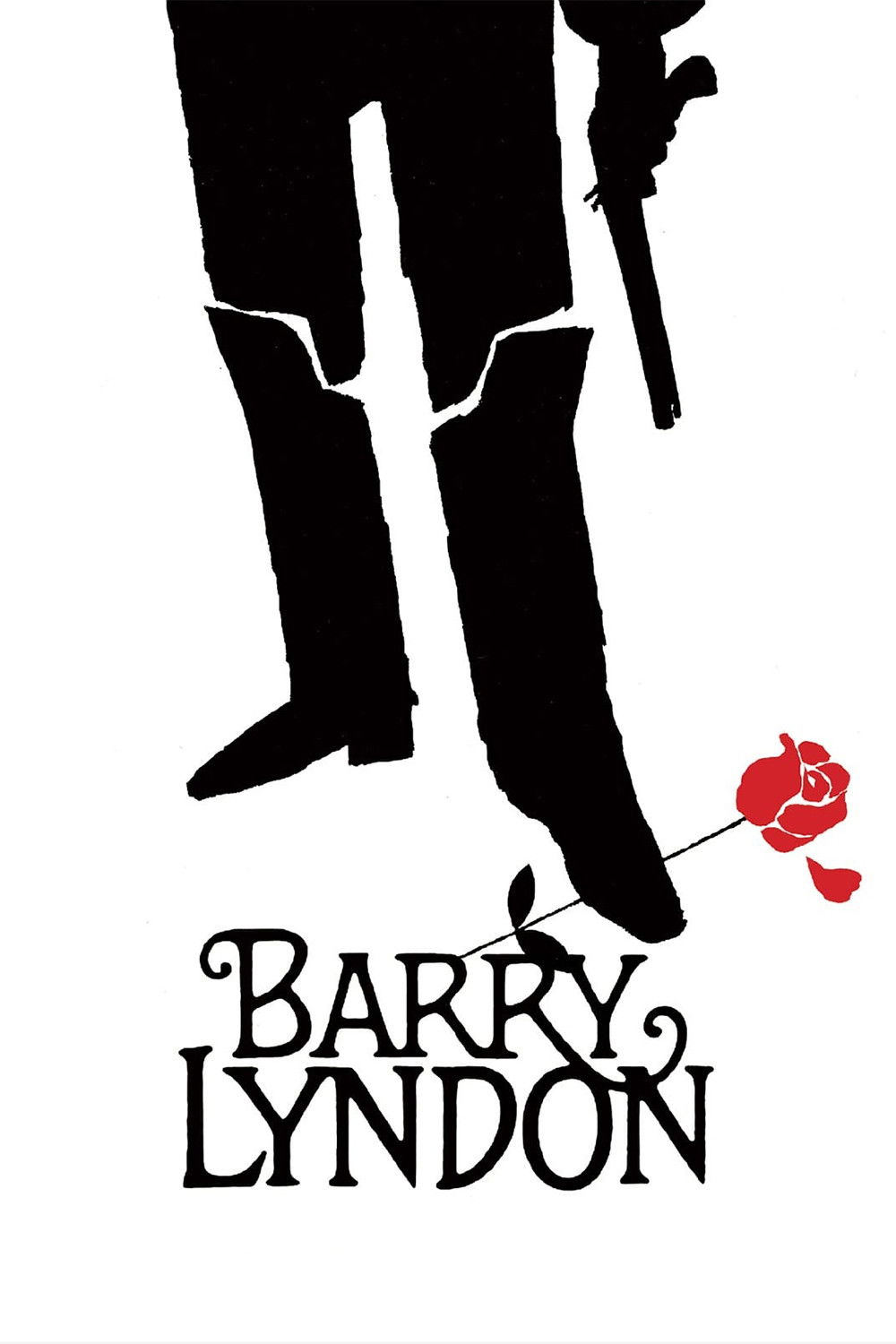
What the Film Is About
During my first encounter with Barry Lyndon, I felt pulled into a world that was both distant and disturbingly familiar—a world operating on rigid codes of status, with every gesture and expression carrying the weight of centuries. To me, the film unfolds as the grand, uneasy story of a man’s rise and fall, where social ambition doesn’t just shape the narrative, it swallows the soul of its protagonist. Barry’s emotional journey is defined as much by dazzling beauty as by chilly detachment, and it’s this tension that hooks me every time.
What I’ve always found so devastating about the film is how it explores the gap between longing and having—between one’s place in the world and the world’s reluctance to ever let an outsider truly belong. The central conflict, as I see it, is much less about battles and duels than about identity and recognition: Barry’s lifelong attempt to reinvent himself and, in the process, the loss and reckoning that follow. The narrative doesn’t comfort; instead, it keeps shifting my sympathies, asking me whether I see Barry’s journey as tragic, pathetic, or simply inevitable.
Core Themes
On a first watch, it’s easy to be dazzled by the painterly images and stately pace of Barry Lyndon. But what kept me returning to the film was just how much it has to say about power, ambition, and the cost of belonging. At its heart, I see the film as a meditation on social hierarchy and the illusion of mobility: Barry’s obsessive pursuit of status is both his vitality and his undoing. The longing to escape one’s beginnings, and the crushing realization that society is never quite ready to forgive or forget, hits me with surprising contemporary resonance.
I also find Barry Lyndon endlessly fascinating in its attitudes toward fate and agency. The recurring sense—both through the detached narration and through Barry’s missteps—that destiny operates according to a merciless script, not individual action, gives the whole story an almost fatalistic chill. To me, the film probes whether anyone can ever escape their class or the inherited roles society enforces. In 1975, after decades of social change and with old hierarchies starting to crack, I sense that Kubrick was reflecting on how little some structures truly change beneath the surface.
There’s also the film’s deeply ambiguous stance on love and family ties. I’m struck by how relationships, in this world, are often transactional—marriages as power grabs, affections shifting with fortunes. Yet, hidden in the formality and calculation, I sometimes glimpse brief, heartbreaking tenderness, especially between parents and children. The emptiness that swallows Barry’s late attempts at genuine connection feels, to me, like Kubrick’s warning about what happens when ambition becomes its own justification.
All the while, there’s a persistent current of irony running through the narrative. I see Barry’s rise and fall as less a morality play and more a comment on how society performs its own dramas—sometimes rewarding emptiness, sometimes punishing sincerity. In our own age of shifting power and unending reinvention, the film still echoes with relevance. It asks questions that, for me, have only grown sharper: What does it really cost to “pass” in a world with fixed class boundaries? Is fate truly unyielding, or is that simply the story we tell when we fail?
Symbolism & Motifs
When I think back on Barry Lyndon, I’m always struck by its visual language—the rigorous symmetry, the use of candlelight, the obsessive attention to the textures of luxury. These motifs are more than decorative; I feel that they reveal the cage of artifice around every character. The film’s tableaux, with their stillness and careful framing, evoke period paintings, yes, but they also suggest how people become objects in the display of power.
Candles in the film have always fascinated me. Their glow is both intimate and isolating—the light they cast is fragile, their warmth only fleeting. In my mind, this motif crystallizes the entire film: the pursuit of status has the shimmer of romance and promise, but the light it offers is never enough to truly overcome the surrounding darkness. The rooms illuminated in golden tones conceal as much as they reveal.
Mirrors and windows also recur, serving as constant reminders to me that the characters are forever observed, forever performing. Whenever Barry catches his reflection or is framed by a window staring into or out of a room, I’m reminded of his outsider status and his need to continually reinvent himself for the gaze of others. That relentless sense of being looked at—with judgment, curiosity, or contempt—feeds into the larger theme of social performance running through the film.
I’ve always found the motifs of uniforms and changing costumes to be loaded with meaning. Barry cycles through a dizzying array of identities—Irish outsider, British officer, wealthy husband—each signaled through precise changes in dress. To me, these clothing transformations are hollow at their core; no matter how thoroughly Barry cloaks himself in the trappings of success, there’s a sense that he never quite escapes nakedness, never quite finds a self that fits.
And then there’s the recurring presence of nature—lush, sprawling hills, silent forests—which, for all their beauty, seem indifferent to human schemes. These landscapes dwarf the characters, making their grand gestures feel at once momentous and absurd. I see this as Kubrick’s sly way of placing personal ambition within the pitiless vastness of history and the natural world: Barry’s story is one among millions, his rise and fall barely a ripple in the larger flow of time.
Key Scenes
Key Scene 1
For me, one of the most pivotal moments comes early, during Barry’s first duel. On one level, it’s a classic set-piece—tense, formal, shrouded in high-stakes etiquette. But I find the scene’s real power in what it reveals about how much the rules of society and honor are, in fact, performances. Barry’s actions in this moment are driven by pride and the desperate wish to prove himself, and I always sense that the result matters less than the act of playing out the ritual. It’s in the staging of the duel, in the way lives are risked over insult and family, that the film uncovers society’s fascination with appearance over substance. This is where I first realize that Barry’s path—obsessively trying to fit in—will be defined as much by posturing as by personal feeling.
Key Scene 2
Later in the film, a turning point for me is Barry’s marriage into aristocracy. The entire wedding is rendered almost as a procession, devoid of passion or genuine connection. Watching this scene, I’m always overwhelmed by the spectacle of success and how hollow it feels. Everything—the grandeur, the opulence, the congratulatory glances—signals that Barry has “arrived,” and yet, I never see him more isolated. It’s a triumph that tastes of ash, a success that carries its own quiet doom. This scene, for me, crystallizes the film’s examination of the price of ambition and the emptiness of social climbing when it’s untethered from any real sense of self or belonging.
Key Scene 3
Toward the end, I find one of the film’s most devastating statements on fate and agency in the duel between Barry and Lord Bullingdon. The ritualistic formality is still there, but now it’s suffused with genuine bitterness and the sad inevitability of cycle—violence begetting violence, loss feeding on loss. In this moment, I’m struck by the way the film reveals its deepest truth: the codes and rituals that once promised belonging are now mechanisms of defeat and exile. Barry’s defeat isn’t just physical or social; it’s existential—a recognition that he was never truly in control of his destiny. What lingers for me long after the credits roll is the sense of history’s cold indifference to individual striving, and the way personal tragedy plays out within immovable social machinery.
Common Interpretations
From what I’ve read and discussed with fellow film lovers, Barry Lyndon tends to divide audiences in truly interesting ways. Many critics agree on the film’s diagnoses of class, fate, and alienation, but from my own perspective, the interpretations branch in several directions.
One common reading treats the film as a grand satire—a work that exposes the ridiculous, empty rituals of the upper class and the futility of seeking acceptance in a cruel, static system. I see the validity in this: there are passages so cold and stylized that they bleed irony, and Kubrick’s famous detachment makes the spectacle of ambition feel, at times, almost clinical. I’ve met viewers who find Barry unsympathetic, a kind of cipher whose story is mainly a condemnation of a society that produces such strivers only to destroy them.
But others—and I tend to move in this direction myself—find something unexpectedly human in Barry’s struggle. Despite his flaws, he emerges for me as a living, wounded person, forever shaped by his outsider status. This reading opens the film up to questions not just of society, but of longing and heartbreak. I sometimes see the film as a tragedy, with Barry’s downfall not merely caused by society but by deeply personal failings: pride, insecurity, the inability to truly love or be loved. It isn’t just the world that damns him, but the way his own dreams hollow him out.
There’s also a rich thread of fatalism in how many critics approach the film. The tone, the narrator, and the recurrence of tragic inevitabilities all seem to gesture toward the idea that humans are at best bit players in a much larger, much crueller historical drama. Every time I rewatch the film, I’m struck by how relentlessly it pushes its characters toward their preordained fates, resisting easy redemption or catharsis. It’s this haunting quality—a beauty that refuses comfort—that sets Barry Lyndon apart for me.
Films with Similar Themes
- The Leopard (1963) – I see a strong parallel in the way both films use aristocratic decline to explore changes in social class, showing how personal destinies get swept away by historical forces.
- Rules of the Game (1939) – This film resonates for me because it, too, dissects the intricate performances and hypocrisies of the upper class, mixing biting satire with moments of deep human vulnerability.
- Days of Heaven (1978) – I’m reminded of its lush landscapes and fatalistic storytelling, where characters cling to dreams of upward mobility but face the crushing indifference of history and nature.
- A Passage to India (1984) – While very different in setting, its examination of outsider status, colonial hierarchies, and the illusions of acceptance strike a personal chord with the central concerns of Barry Lyndon.
For more context before choosing your next film, these perspectives may help.
When people ask me what Barry Lyndon is really trying to say, I always return to how the film uncovers—and makes me feel—the hunger to belong, the aching inadequacy of appearances, and the inexorable march of fate through personal ambitions. What moves me most is the film’s capacity to reflect the tragedy of wanting to be seen, of trying to claim a life not granted by birthright, only to discover that history offers neither justice nor comfort. It’s a vision where power and longing are both seductive and poisonous, where self-invention cannot disguise the scars of class and memory. Above all, I find myself haunted by the film’s reminder: in every era, the rituals of success are both stage and trap, and the price of entry may be nothing less than one’s soul.