
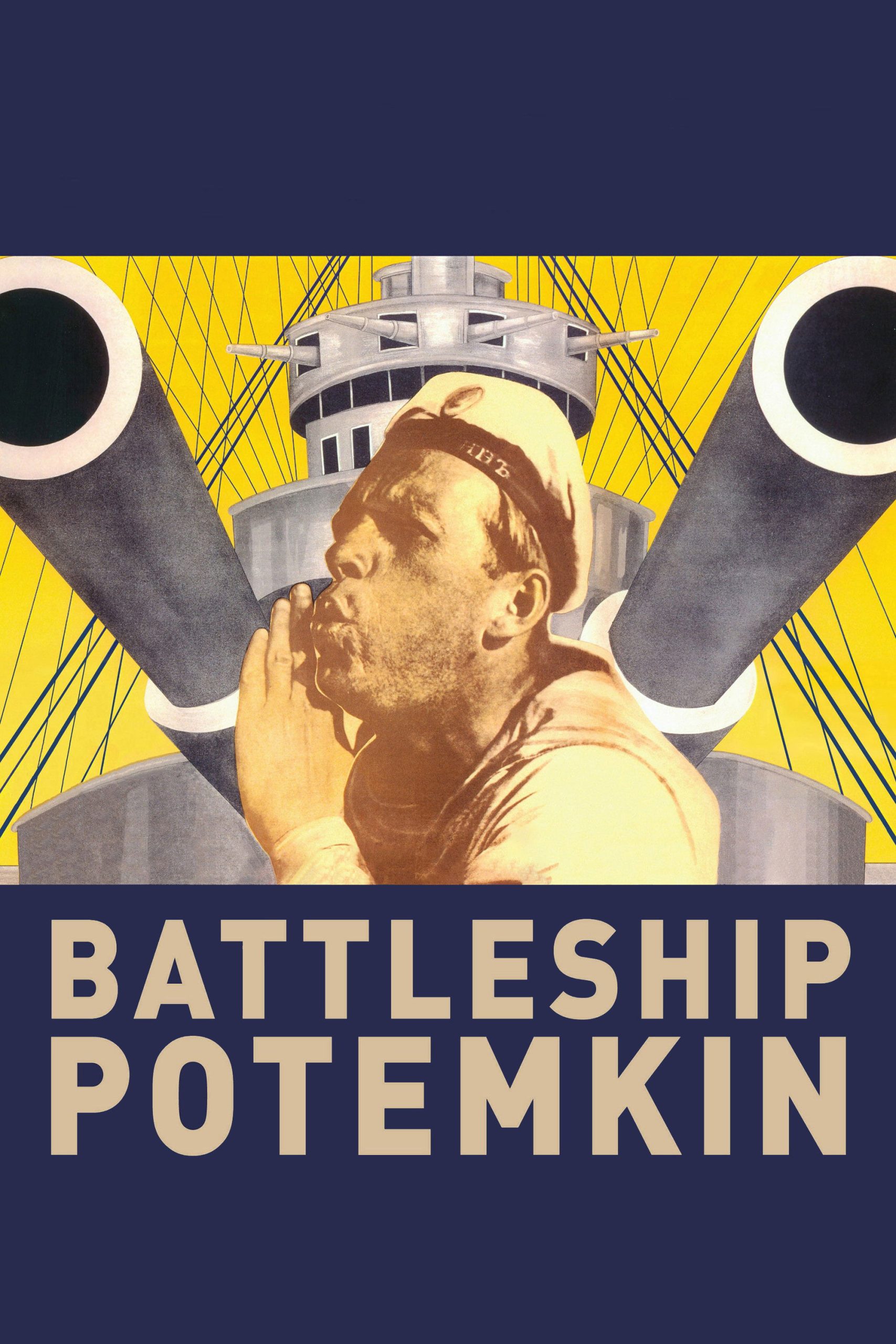
What the Film Is About
When I first watched Battleship Potemkin, I didn’t experience it as just another piece of cinematic history to be admired from afar—I felt swept into a visceral struggle, one almost inseparable from the tides of revolution and collective outrage. This film’s emotional center, for me, lives in its depiction of ordinary sailors confronting extraordinary injustice. At every turn, I sensed a mounting tide of resistance, unlike anything I’d seen in films from that era. What unfolds isn’t mere plot; it’s a gut-level confrontation between oppressive authority and the yearning for human dignity. The emotional arc pivots on the raw transition from fear into defiance, showing how individuals can become a single, storming force when they move together.
Every time I revisit Eisenstein’s work, I’m struck by how it takes one very specific moment in history—a mutiny aboard a Russian warship in 1905—and transforms it into a universal outcry against abuse of power. For me, it isn’t just the clatter of boots or roar of the crowd that matters, but the film’s relentless drive to make collective desperation palpable. The narrative thrust doesn’t just aim for political change; it exposes how resonance between individuals can tip the scales of fate.
Core Themes
I find the film’s core themes lingering long after its final image. Above all, Potemkin is an interrogation of power and what it means to claim agency in a world that would rather shrink us down. The crystallizing theme, in my experience, is the collective urge to resist—how dissent, once sparked, can ignite a broader will. Watching these sailors transform, I saw more than a mutiny; I witnessed the raw mechanics of social change, where suffering twists into fury and, eventually, solidarity.
There’s a through-line about morality that never lets go: the film doesn’t hand the viewer any easy lines between good and evil, but instead asks us to weigh loyalty, violence, and justice in our own guts. I’ve always been fascinated by its refusal to make violence seem heroic. Instead, it’s depicted as a last, desperate resort—a shattering force rather than a triumph. This ambiguity makes the struggle feel all the more genuine.
The relevance of these themes in 1925 can’t be overstated. In that moment, Soviet Russia was reimagining itself in real time, and Eisenstein’s insistence on the power of the masses felt immediate. Yet, on every rewatch, I’m amazed at how contemporary the questions remain: When must we say “enough”? Who gets to decide when injustice has gone too far? Even a century later, these themes call out to anyone grappling with systems that render ordinary people invisible. In my eyes, the film’s nerve—the sense that cruelty persists unless fiercely contested—still matters today.
Symbolism & Motifs
What endures for me in Potemkin is its audacious use of symbols and motifs—visual language that seeps into the bones of its message. The most potent symbol, as I see it, is the ship itself: more than just a setting, the Potemkin stands for an entire society on the brink, shifting from stasis to upheaval. When I look at the swelling crowd scenes or the rigged tension of the decks, I can’t help but read them as microcosms of a world creaking toward revolution.
Another recurring motif I always notice is Eisenstein’s attention to eyes—wide with terror, burning with resolve, or shuttered by death. Close-ups become more than stylistic flourishes; they feel like soul-deep windows into both collective unity and individual agony. In the now-iconic “Odessa Steps” sequence, for instance, the relentless march of boots, the pram teetering down the stairs, and the people’s faces contorted in anguish all become symbols of innocence ground beneath faceless power. This isn’t violence as spectacle, but violence as indictment—each motif sharpening the horror and cost of repression.
Food, oddly enough, also maintains a symbolic weight. The revolting meat crawling with maggots signals, for me, the rotten heart of the regime—a system feeding its servants moral decay. The recurring dialogue around bread, meat, and hunger turns basic human needs into battlegrounds for dignity and justice. Even physical gesture—fists raised, hands clutched—takes on symbolic heft, standing for private suffering converted into public demand.
When I watch these motifs pile up—steel, flesh, food, eyes—I always feel as if Eisenstein is layering meanings, coaxing the audience to understand the stakes transcend individuals or bureaucracies. The film’s very structure, built around montage, becomes symbolic in itself: a churning engine of conflict, a dialectic of thesis confronting antithesis, from which something new might emerge.
Key Scenes
Key Scene 1
For me, everything about Potemkin’s underlying intent crystallizes in the moment where sailors refuse to eat the maggot-infested meat. Here, the film reaches beyond physical disgust; I read their revulsion not just as defiance against poor treatment, but as a dawning consciousness. This scene crackles with energy because the sailors are rejecting indignity—their refusal is as much spiritual as it is practical. The emotional charge of this moment, in my eyes, is the first real breach in the façade of authority. The men’s disgust, and the officer’s furious insistence, create a collision between dehumanization and nascent revolt. Watching it, I was struck by how food becomes a threshold: in accepting it, they accept their fate; in rejecting it, they claim their possibility.
Key Scene 2
Every time I reach the “Odessa Steps” sequence, I’m gripped by a rush of conflicting feelings—horror, awe, anger, and puzzlement. This is the beating heart of Eisenstein’s indictment: the faceless, mechanical advance of armed forces annihilating a civilian crowd. While the march itself is ghastly, what hooks me most is the film’s insistence on the crowd’s individuality, even in chaos. Close-ups on mothers, children, and ordinary faces make it impossible for me to see these people as collateral. The tumbling baby carriage—a motif burned into my film memory—captures the absurd, tragic detachment of power from its own consequences. I’m forced, as a viewer, to consider not just the bodies, but what is being murdered: hope, innocence, the very spirit of collective action. The stepped choreography, both literal and metaphorical, illustrates how repression is always a downward force—flattening resistance, at least for the moment.
Key Scene 3
The film’s closing moments, as the mutinous Potemkin approaches the rest of the fleet, always make me pause and reassess what revolution really means. For a breathless stretch of time, neither defeat nor victory seem assured. What leaves the deepest mark on me is the fleet’s unexpected solidarity, when the other ships lower their guns and refuse to fire. This is more than a tactical turning point—it’s a collective realization, a moment where shared suffering opens a window for unity. For me, it is here the film throws out its most hopeful hypothesis: that the swell of oppressed voices, once unified, may actually force history’s hand. The tension, the relief, and the possibility flicker all at once, demanding that I consider how much history has hinged on such uncertain, hopeful pauses.
Common Interpretations
I’ve encountered countless interpretations of Potemkin, but in my own conversations with critics and cinephiles, a few readings seem especially dominant. Many, like myself, see the film as an unequivocal celebration of collective action—the triumph of the people over autocratic violence. In this reading, Eisenstein emerges less as a storyteller and more as an architect of political myth, using the language of cinema to galvanize support for revolutionary ideals. The mutiny, for those holding this view, isn’t just historical retelling but a clarion call to solidarity.
Others, sometimes with a wary eye on the film’s origins in 1925 Soviet Union, interpret Potemkin as a piece of sophisticated propaganda—emotional and visual language bent toward legitimizing Communist ideology. They would argue that Eisenstein’s techniques, from montage to characterization, serve to overwhelm doubt and channel outrage productively. What’s interesting, from my perspective, is how these critics don’t deny the film’s power; they question its purpose, asking whether its manipulation of sympathy remains ethically complicated.
I’ve also noticed a smaller but consistent group who focus less on the overt politics and more on Eisenstein’s montage technique. For them, Potemkin is about the medium of film itself—the way editing can shape meaning, conjure emotion, and lead audiences to conclusions they might otherwise resist. In this light, the film becomes an experiment in making spectators complicit, drawing us into the mutiny’s momentum by sheer force of craft.
What I rarely see, but often feel myself, is a blending of these views: the deep conviction that Eisenstein wanted to both inspire and provoke, to make his audience question not only what they were seeing, but why it felt so necessary. Potemkin, for me, doesn’t just demand sympathy; it invites discomfort, making me wrangle with my own limits of outrage and my hunger for justice.
Films with Similar Themes
- October (Ten Days That Shook the World) (1928) – To me, the thematic connection is unmistakable; both films use revolutionary events to explore how the collective spirit clashes with entrenched power. October extends and deepens the analysis of mass action and historical rupture.
- La Haine (1995) – I see clear echoes in its depiction of unrest and systemic violence. Like Potemkin, La Haine shows how ordinary people are propelled into resistance by forces beyond their control, turning individual agony into group outrage.
- Strike (1925) – Watching Strike, I’m always struck by how it mirrors Potemkin’s fascination with solidarity and sacrifice. It offers a blistering meditation on collective action, using similar montage techniques to turn injustice into unmissable visual language.
- V for Vendetta (2005) – Even in a different era and context, this film’s embrace of defiance against totalitarian systems reminds me of Potemkin’s central drive. The resonance lies in the script’s focus on martyrdom, mass awakening, and the hard line between violence and revolution.
Whenever I attempt to distill what Battleship Potemkin really communicates, I come back to this gnawing, unshakable sense that the film isn’t so much endorsing a single ideology or event, but instead celebrating something older and more primal. It whispers about the moments when ordinary pain becomes extraordinary courage—the instant a single act of refusal opens a breach in history’s armor. Through its dazzling montages, its aching faces, its rising and falling cries, Potemkin dares me to imagine that justice is never simply given, but wrenched free by those who insist on being seen. Even after nearly a hundred years, sitting through its storm feels, for me, like tapping directly into that ancient hunger for dignity—a hunger that doesn’t go away, no matter how the world rearranges itself. I find it impossible to watch Potemkin and not feel challenged: What would I do, standing on the deck, faced with rotten meat? How would I respond when history starts pressing down? The film refuses to answer for me, which is perhaps its greatest, most radical gift.
If you’re deciding what to watch next, you might also want to see how this film holds up today or how it was originally received.