
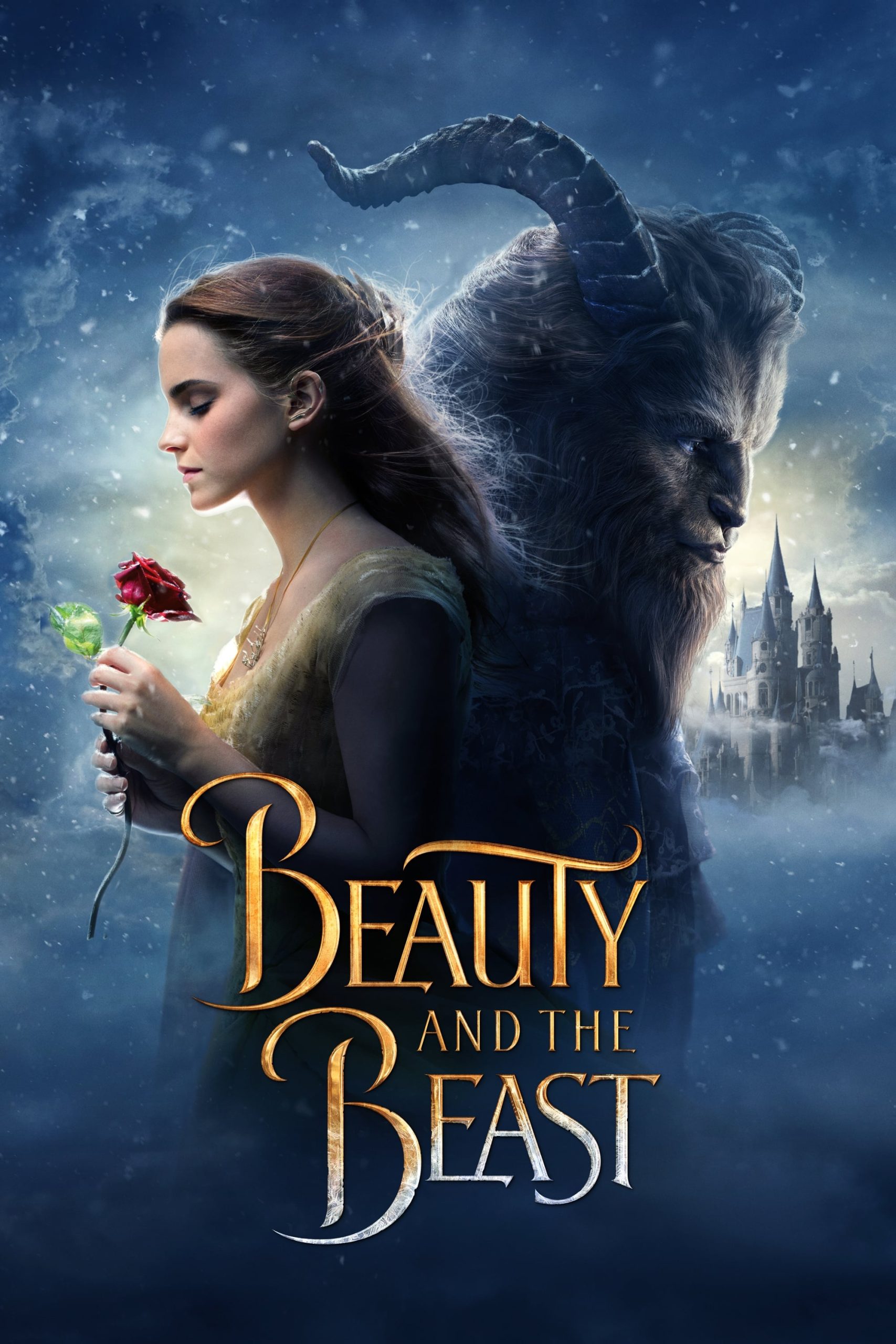
What the Film Is About
Whenever I revisit Beauty and the Beast (1991), what strikes me isn’t simply its lyrical songs or romantic visuals, but the deeply emotional negotiation between fear and curiosity at its heart. I find myself drawn in by the emotional journey of Belle—a young woman who feels fundamentally alienated by her small-minded community—and the titular Beast, whose monstrous exterior masks profound wounds of pride and shame. Together, their story becomes an exploration not of enchantment for enchantment’s sake, but of wrestling with initial perceptions, the ache for acceptance, and the genuine risk involved in choosing to see and be seen clearly. The primary conflict radiates from this point of vulnerability, raising the question for me: Can love exist when both parties are imprisoned—by appearances, expectations, and their own inner limitations?
What unfolds isn’t just a fantasy; it’s a navigation through loneliness and fear, emerging as an understated meditation on empathy and mutual transformation. More than any surface drama, what moves me is the way the film quietly compels each of us to ask: What will we allow ourselves to see when we look beyond the obvious? The direction is set by Belle and the Beast’s evolving willingness to question the truths they’ve inherited—about self, otherness, and community. For me, this makes Beauty and the Beast an emotionally resonant work that transcends its fairytale trappings.
Core Themes
From my perspective, the film’s most apparent theme is the danger—and eventual dissolution—of judging others by the surface. It’s tempting to view this as a simple plea for kindness toward those who are different, but I think Beauty and the Beast pushes harder on the discomfort that comes with challenging our ingrained assumptions. Belle’s village cannot tolerate her intelligence, independence, or imagination—reflecting the real-world consequences of choosing an unconventional path. The Beast, too, is imprisoned by his monstrous transformation, a living metaphor for egotism and wounded pride.
What fascinates me is how the film doesn’t let these characters remain static. Through their interaction, I sense the constant tension between fear and understanding. This is not love at first sight; it’s love forged through active struggle and choice. The relationship between Belle and the Beast centers on respect and curiosity rather than projected fantasy, which feels astonishingly modern for an animated musical from 1991.
Another theme I notice is the weight of social pressure and conformity. The villagers’ collective hostility toward Belle stands out as a commentary on groupthink and the risks faced by those who dare to be different. Gaston, in particular, distills toxic masculinity—a vision of beauty and strength celebrated on the surface, yet deeply hollow. I see in him the film’s stark warning about unchecked pride and the societal impulse to punish deviation.
When Beauty and the Beast was released, these ideas resonated strongly for anyone who felt misunderstood or boxed in by expectations—especially women and artists. Today, its relevance hasn’t faded. The call to resist conformity, look deeper, and nurture genuine connection remains as urgent as ever, especially when the forces of exclusion and judgment still shape so many social and personal realities.
Symbolism & Motifs
The symbolism in this film has always struck me as layered and intentional. The enchanted rose stands at the narrative’s center, its withering petals counting down the Beast’s potential redemption or doom. I see the rose as a symbol of both hope and fragility—the possibility of transformation, ever threatened by the passage of time and the risk of closing oneself off. It’s not simply an object of magic, but a visual representation of how fleeting true connection and openness can be if we’re ruled by cynicism.
Mirrors, too, appear throughout the film as powerful motifs. The Beast’s magic mirror, which allows him to see anywhere, becomes less a tool of control and more a means of reflection—literally and figuratively. I find that every time characters gaze into the mirror, they confront uncomfortable truths about who they’ve become or hope to be. The motif of reflection underscores the film’s persistent question: What do you see when you look honestly—at others, but especially at yourself?
The motif of imprisonment recurs in various forms. Belle’s physical confinement in the castle parallels the psychological imprisonment each main character faces, whether it’s Belle’s stifled ambitions or the Beast’s self-loathing. Throughout, doors and barriers signal not only literal captivity, but also the choice to open oneself outward. I find that the castle itself, alive with enchanted objects, becomes a story about wounds and defenses—how the spaces we inhabit can either isolate or heal, depending on our willingness to invite others in.
Even the songs function as recurring motifs—the melody of “Beauty and the Beast” serving as a kind of emotional through-line, repeating at key moments when characters allow vulnerability to surface. The contrast between the vibrancy of the castle’s inhabitants and the gray uniformity of the village further amplifies the film’s thesis: transformation begins the moment we risk imaginative empathy.
Key Scenes
Key Scene 1
For me, one absolutely pivotal scene comes when Belle first explores the forbidden West Wing and discovers the rose. This is the moment I feel the film’s central metaphor come into sharp focus. Belle’s willingness to enter a dangerous, unknown place out of honest curiosity (not malice or judging intent) stands in stark contrast to the Beast’s own fear and shame. When he reacts with anger, both characters are forced to confront their own vulnerabilities—he, the fear of never being accepted; she, the realization that true understanding sometimes exposes pain.
What makes this scene so crucial isn’t the shock or spectacle, but the way it captures that terrifying moment in any relationship—romantic, familial, or otherwise—when both parties glimpse each other’s most closely guarded wounds. Their reactions set the stage for all that follows: either retreat into isolation, or the tentative, painful opening required for compassion.
Key Scene 2
The ballroom dance sequence, accompanied by the song “Beauty and the Beast,” is iconic for good reason, but for me, its lasting power comes from how it visually and emotionally crystallizes the film’s themes. The sweeping camera movements, the opulent golds and blues, the gentle orbit of Belle and the Beast: what I feel here isn’t just romantic fulfillment, but the shattering of old identities. Neither character is pretending or projecting in this scene; for a brief moment, they’re truly present with each other, allowing genuine joy to replace anxiety and suspicion.
This scene directly challenges traditional scripts of love. I’m always most moved by how tentative the characters seem—there’s no triumphant declaration, only the quiet miracle of two damaged people meeting each other halfway. The film’s worldview is made clear: connection is earned through humility, openness, and the willingness to change.
Key Scene 3
The climax, where Belle declares her love for the dying Beast, functions as the final, decisive word on the film’s core questions. Here, I see the transformation not just as a magical reward, but as the logical extension of having risked emotional honesty. Belle’s confession is not driven by obligation or manipulation, but by her freely given, hard-won love. The Beast’s metamorphosis mirrors his internal growth—having learned to love and let himself be loved, he is now physically restored as well.
This moment feels more than simply happy-ever-after, to me. It becomes an argument for hope, affirming that redemption is always possible—even for those who consider themselves unworthy. Belle’s choice becomes a rallying point for compassion and the radical potential of forgiveness.
Common Interpretations
Over time, I’ve seen several dominant interpretations of Beauty and the Beast emerge among critics and casual viewers. Many read the film as an allegory for overcoming prejudice, especially regarding difference and nonconformity. Audiences often identify Belle as a feminist figure—one who refuses to be defined by others’ narrow expectations, insists on intellectual freedom, and makes choices independent of romance or local custom. I strongly relate to this, as Belle’s forthrightness and boundaries set her apart from many past Disney heroines.
Others interpret the story as a meditation on the redemptive potential of love—not in a sentimental sense, but as something that requires mutual challenge and growth. I find this reading persuasive, particularly when considering the Beast’s transformation as earned, not simply bestowed by magic. There’s also a thread of critique around Gaston’s character, whom many see as embodying the darker side of idealized masculinity and communal ignorance. Some contemporary viewers have questioned aspects that could be interpreted as “Stockholm Syndrome,” but I see the narrative making clear that Belle’s agency and choices drive the relationship forward, challenging passive victim narratives.
For me, the richest interpretations come not from grand declarations, but in the film’s subtle encouragement to look twice—at people, places, even at ourselves—and ask what cruelties or possibilities might exist beneath the surface.
Films with Similar Themes
- The Hunchback of Notre Dame (1996) – This film deeply engages with the pain of isolation and the dangers of judging physical difference, mirroring Beauty and the Beast’s exploration of empathy and acceptance amid societal prejudice.
- Edward Scissorhands (1990) – The story of an outcast struggling to find his place in a fearful, narrow-minded suburb draws natural parallels to the Beast’s journey, centering the transformative power of compassion and mutual understanding.
- The Shape of Water (2017) – I see a strong thematic link in its unconventional romance and the courage needed to embrace the “other,” critiquing both institutional and personal forms of exclusion.
- Shrek (2001) – Though lighter in tone, this film subverts fairy-tale beauty standards, challenging the assumption that worth is tied to outward appearance—an idea at the heart of Beauty and the Beast.
When I reflect on what this film ultimately communicates, I keep returning to the radical idea that authentic love—whether romantic, platonic, or self-directed—only becomes possible when we dare to see honestly and act with humility. The film calls out the harm of conformity, the prison of shallow judgment, and asks if we’re willing to risk true vulnerability. Set against the backdrop of 1991, an era marked by ongoing cultural battles over gender, individuality, and social change, it offered viewers not just a beautifully animated escape, but a blueprint for courageous empathy. In today’s fractured world, that message remains as fresh and necessary as ever.
If you’re deciding what to watch next, you might also want to see how this film holds up today or how it was originally received.