
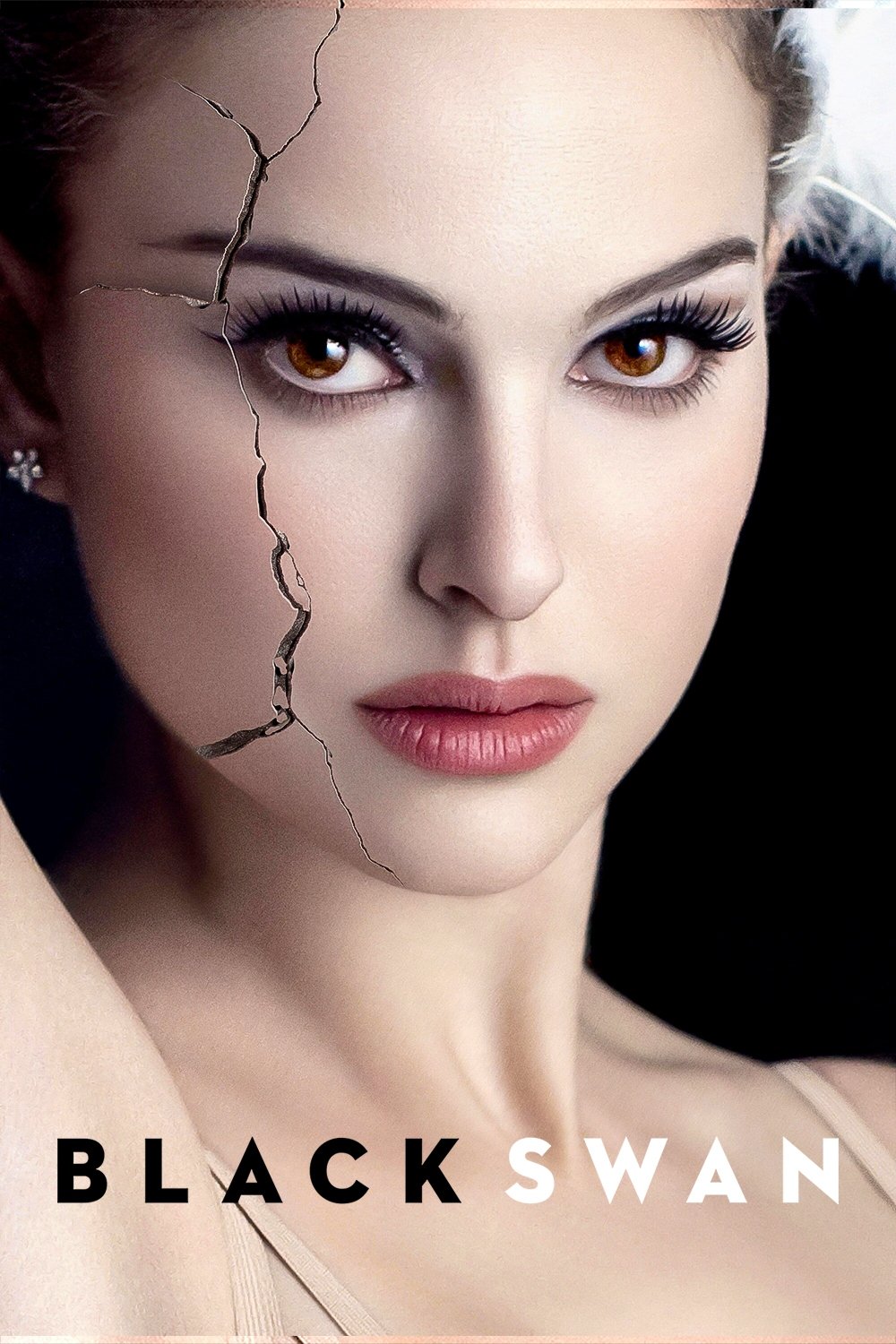
What the Film Is About
The first time I experienced Black Swan, I felt as though the film was throwing me into a fever dream of ambition, obsession, and unraveling sanity. Rather than following a conventional story, I found myself pulled into the emotional tempest of a ballet dancer spiraling at the precipice between perfection and ruin. At its core, the film isn’t merely about ballet or the competition for a coveted role—it’s a meditation on the corrosive cost of artistic pursuit and the fracturing of one’s identity in the face of impossible ideals.
For me, watching Nina’s journey (as embodied by Natalie Portman) is an ordeal of empathy and anxiety. The film’s emotional trajectory thrusts us inside a protagonist whose need to attain artistic transcendence borders on self-annihilation. Each moment in the narrative pushes that tension further: can a performer truly embody perfection without losing themselves entirely? That central conflict—between the longing for control and the lure of surrender—propels the film’s narrative and emotional arc.
Core Themes
I found myself most unsettled by how Black Swan interrogates the notion of duality within the self. The theme of “perfection at a price” isn’t new, but here it’s rendered with skin-crawling intimacy. The film continuously pits the idea of self-mastery against self-destruction, as Nina’s pursuit of becoming both the innocent White Swan and the seductive Black Swan exposes the splintering of her psyche. I see this conflict as a larger metaphor for the sacrifices demanded by any creative or ambitious path. The higher the stakes, the more intrusive the shadows.
Identity—in the sense of how we simultaneously perform for others and for ourselves—runs as a deep current beneath every scene. Watching Nina wrestle with her own reflection, I was struck by how the film dramatizes the fear of never being “enough” and the dread of losing oneself to an idealized image. The toxic edge of competition, the hunger for validation, the pressure imposed by authority figures: all these themes mirror anxieties that reach far beyond the ballet world. At the time of its release in 2010, such an exploration felt especially piercing—reflecting a broader societal obsession with perfection, image, and relentless self-surveillance.
What still resonates with me well over a decade later is the film’s warning about the cost of letting ambition override one’s sense of self. In a way, Black Swan articulates something tragic about contemporary life: these themes are just as biting now, as personal achievement and external expectations become increasingly intertwined. The story, for me, ultimately asks whether the transcendence we seek is ever truly worth it—if gaining everything means losing our grip on reality.
Symbolism & Motifs
I have always been captivated by the way Black Swan weaves consistent motifs and disturbing symbolism throughout its visuals and sound design. Again and again, mirrors and reflections appear—not only as part of the ballet studio but as a recurring reminder that Nina is haunted by her own double. I read this as more than a literal fear: it’s a way for the film to probe how we become alienated from ourselves, especially when our self-image is manufactured or distorted by external pressures.
Feathers, wings, and the bodily transformation motif are just as striking. When I think of Nina’s journey, I’m reminded of mythological metamorphoses—where transcendence is always accompanied by pain, loss, or monstrosity. The merging of flesh and feather, the emergence of wounds or marks, evoke an uneasy boundary between the dancer’s body and her desired persona. For me, these surreal moments heighten the sense that perfection, if it comes, arrives not as grace but as a kind of violence done to oneself.
The film’s relentless focus on white and black—mirrored in costumes, lighting, and even makeup—feels to me like a visual argument about the impossibility of living an entirely “pure” or “shadowless” life. Every attempt by Nina to remain flawless is undermined by the encroaching dark side within. It’s as though the film is insisting that to suppress our destructive impulses is to guarantee their dramatic, even explosive, return. And through the use of doubling—Nina and her rival Lily, Nina and her mother, Nina versus her own reflection—Black Swan unspools a chilling meditation on the ways we fracture under pressure.
Key Scenes
Key Scene 1
The rehearsal in which Nina is first forced to confront her inability to embody the Black Swan comes back to me as one of the most pivotal moments. What makes this so potent for me isn’t just the humiliation or doubt Nina experiences but the ethereal terror as she realizes that perfection requires more than just technical command—it demands surrender. I see this scene as the heart of the film’s message: true artistry is depicted not as a matter of control, but as a willingness to relinquish it. Her instructor’s demand for her to “lose herself” isn’t just artistic advice; it’s a harbinger of her psychological decline. This moment crystallizes the tension at the core of the story: the dangerous intersection of ambition and self-erasure.
Key Scene 2
Later, the unsettling scene between Nina and her mother—when Nina locks herself away and begins to physically transform—haunts me long after the credits roll. It’s a sequence that, for me, foregrounds the generational and psychological pressures that shape Nina’s self-concept. The maternal control, the claustrophobic atmosphere, and the literal breaking away from her mother’s grip signal a desperate, violent sort of individuation. This, to my mind, is where the film delves deepest into the theme of identity: the necessity (and terror) of separating from the protective forces that once defined us, even when doing so unleashes chaos.
Key Scene 3
The final performance sequence still leaves me breathless, no matter how many times I revisit it. Here, all the film’s motifs—mirroring, doubling, transformation—culminate in Nina’s full embodiment of both swan personas. But what lingers with me is not just the technical virtuosity of the scene; it’s the tragic catharsis of self-destruction as transcendence. In her final moments, Nina achieves her elusive “perfection,” but only by crossing the threshold into self-annihilation. For me, this is the film’s boldest statement: sometimes, the very thing we long for most is what destroys us. The quest for perfection, meaning, or selfhood can end not in triumph, but in dissolution.
Common Interpretations
When I discuss Black Swan with fellow film lovers and critics, I notice that most interpretations orbit around the film’s depiction of psychological breakdown and the cost of artistic genius. Some see it as a cautionary tale about the inherent dangers of obsession—as if Nina’s fate were a grim warning for anyone tempted to conflate self-worth with achievement. Others frame it as an allegory of coming of age or individuation, with Nina’s struggles representing the painful emergence of adult identity in the face of overbearing parental influence.
There’s also an interpretation focused on the film’s feminist undertones. I find it compelling that many see Nina as a victim of institutionalized misogyny—the ballet world is rendered here as alternately predatory and infantilizing. The pressure to be both “pure” and “desirable” serves as a chilling metaphor for the contradictory expectations society imposes on women. In this reading, Nina’s transformation into the Black Swan is both an act of rebellion and a kind of tragic submission to a rigged game.
For many, myself included, there’s an almost mythic quality to the film’s structure. I often see critics connect it to the classic motif of the doppelgänger—the self at odds with the self—suggesting that Nina’s journey is about the impossibility of fully integrating our own contradictions. Yet I’ve also heard people insist that the film functions best as an exploration of mental illness, hallucination, and the dissolution of boundaries between reality and fantasy. Whatever the angle, the consensus seems to be that Black Swan is less concerned with ballet and more invested in revealing the human psyche under extreme duress, torn between transcendence and collapse.
Films with Similar Themes
- Perfect Blue – I see this animated psychological thriller exploring similar ideas about fractured identity, performance, and the dangers of losing oneself in pursuit of an ideal image. Both films blur the line between reality and delusion in haunting ways.
- The Red Shoes – Every time I revisit this classic, I notice the thematic parallel: the madness and self-sacrifice required for artistic perfection, and the tension between personal life and the call of the stage.
- Whiplash – For me, this film resonates as a contemporary story of obsession, where the pursuit of greatness in the arts leads to a harrowing clash between student and mentor, echoing the darkness and intensity of Black Swan.
- Repulsion – I’m often reminded of this film’s claustrophobic depiction of psychological unraveling and the use of subjective reality to immerse viewers in the protagonist’s disturbed mind, much like the experience Black Swan offers.
Reflecting on my many viewings, I find Black Swan lingering long after other psychological thrillers have faded. The film strikes a nerve with the way it entwines beauty and terror—how the pursuit of artistic transcendence can lead to both ecstatic release and utter devastation. For me, the film ultimately communicates a brutal reality about human nature in the context of modern ambition and image culture: our striving for perfection may grant fleeting moments of triumph, but always at the risk of losing what makes us whole. And in the echo chamber of our own desires, sometimes the self we seek is the self we most fear becoming.
For more context before choosing your next film, these perspectives may help.
🎬 Check out today's best-selling movies on Amazon!
View Deals on Amazon