
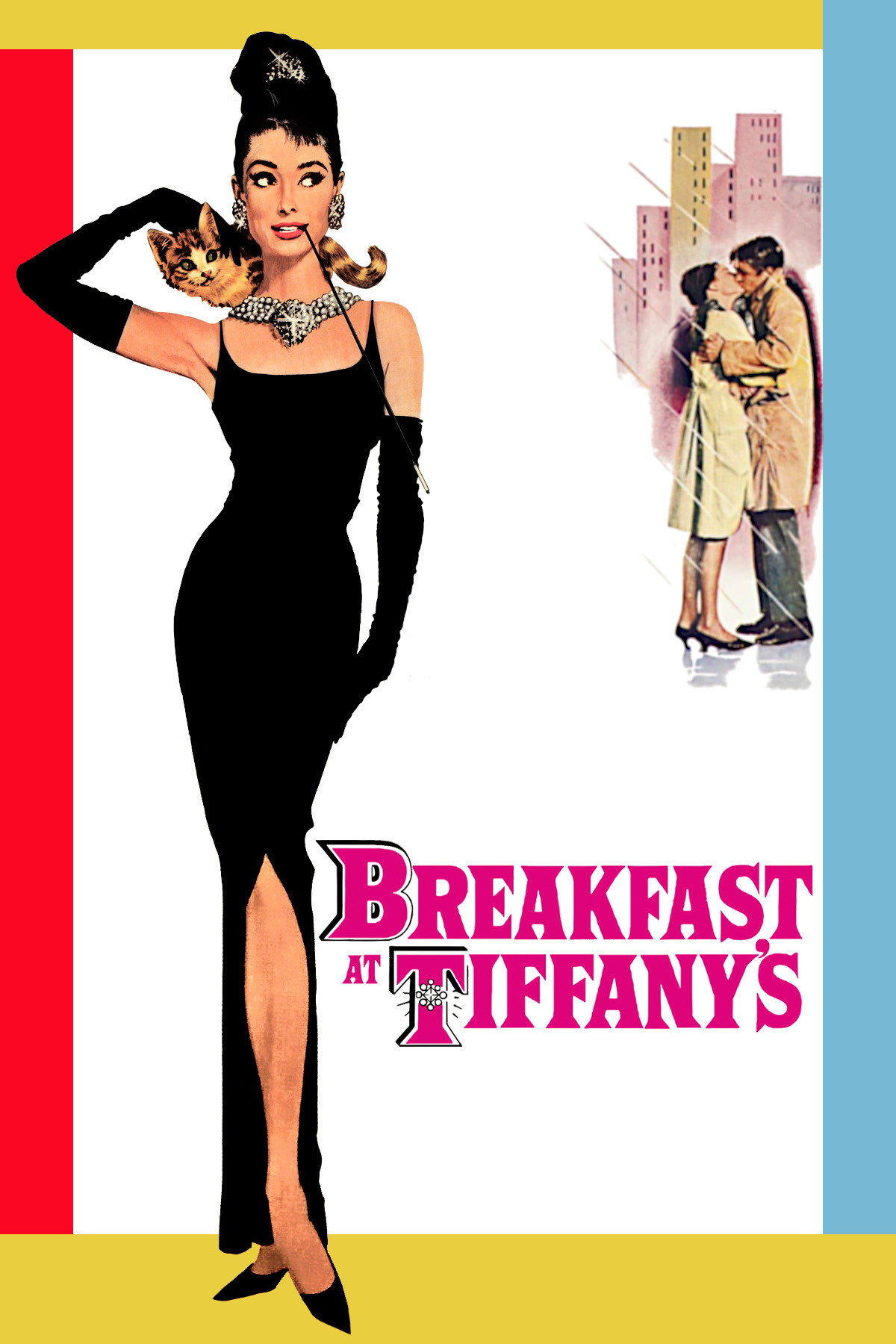
What the Film Is About
Sitting down with “Breakfast at Tiffany’s,” I’ve always been struck less by its surface-level glamour and more by the uneasy ache beneath the sparkle. To me, this film isn’t a simple tale of romance or fashionable escapism as it first appears. It feels more like a bittersweet meditation on the human desire for belonging against the pull of freedom. At its core, what I see is a portrait of a woman—Holly Golightly—struggling to construct an identity while hiding from her loneliness and the pain of her past. In following her emotional journey, I sense a constant tension between self-reinvention and emotional vulnerability.
What grabs me most is the central conflict: Holly’s relentless pursuit of a life she can control. Around her, promises are fragile, connections are fleeting, and safety is always just out of reach. When I reflect on the film’s narrative direction, I see it moving us through layers of illusion and revelation. We are never quite certain where the performance ends and the authentic self begins. The film draws me in not just to watch Holly’s quest for security, but to feel the risk and hope of reaching for genuine connection in a world primed for disappointment.
Core Themes
Each time I revisit the film, I’m reminded how “Breakfast at Tiffany’s” dwells in that uncertain space between aspiration and reality. The story turns on questions of identity—how we choose to define ourselves, what we present to the world, and the ways we are haunted by the selves we try to leave behind. To me, it’s really a meditation on freedom versus rootedness: Holly’s refusal to be “caged” is both exhilarating and tragic. While she dashes between parties and admirers, I sense a growing sense of loss in her inability to pause and truly belong.
Love is another theme that feels impossibly tangled here. Rather than the swooning certainty of old Hollywood romances, I find love in this film is fraught with negotiation and denial. Holly’s attempts to keep everyone—including herself—at arm’s length speak to a fear of intimacy as much as a hunger for it. It makes me think about how love demands vulnerability, and how that makes it both precious and perilous.
I can’t ignore the undercurrents of class and the American Dream, either. Released in 1961, at the dawn of a decade of social transformation, the film swims in anxieties about status, respectability, and reinvention. Holly’s world is one of manicured surfaces and strategic alliances, which echoes the aspirations of an America reckoning with newfound prosperity alongside hidden hardships. Watching this today, I can’t help but feel the themes still matter—our contemporary culture, too, is obsessed with curated identities and the fear of being truly seen.
Symbolism & Motifs
One image in “Breakfast at Tiffany’s” I find endlessly expressive is, of course, Tiffany’s itself. More than just a luxury store, it becomes a symbol for the tranquility and security Holly aches for. I see Tiffany’s as her daydream sanctuary: a space untouched by sorrow or scandal, where “nothing very bad could happen.” That longing for safety—for a world immune to pain—underscores nearly every scene.
Cats, especially Holly’s nameless pet, serve as another motif that I can’t help but interpret as a mirror to Holly herself. The cat has no real home, no roots, no name—a living metaphor for Holly’s own rootlessness. Whenever I see how she relates to her cat, alternating between affection and detachment, I think of her struggle to offer herself the tenderness and belonging she claims to reject.
The recurring motif of windows and threshold spaces—doorsteps, fire escapes, taxis on the street—resonates for me as expressions of in-betweenness. Holly seems perpetually caught looking in from the outside, or looking out at the possibilities beyond. These visual cues create an atmosphere of impermanence and remind me that her heart is always elsewhere, never quite grounded.
Jewelry takes on added significance, too: not only as objects of desire, but as markers of personal worth and fantasy. Holly’s fascination with pearls and diamonds feels aspirational but also hollow. I read these objects as her way of grasping for a sense of self she hopes will dazzle others into offering her protection.
Key Scenes
Key Scene 1
There’s a moment that lingers with me long after the film ends: when Holly, standing in the early morning hush outside Tiffany’s, gazes through the window at the elegant displays. For me, this isn’t just an emblem of urban glamour. What’s powerful here is the vulnerability just under the surface—a woman in a black dress and pearls, clutching coffee and pastry, staring at an unattainable space of order and luxury. I see in this image the essence of yearning: the wish to step inside a world that feels safe and untouchable. The silence, the emptiness of the streets, and her solitary form speak volumes about her emotional isolation beneath all the style.
Key Scene 2
Later, there is the deeply intimate moment where Holly and Paul (her neighbor and eventual confidant) share a rainy afternoon stealing silly masks from a dime store. What makes this scene resonate for me is not the playfulness but the way it temporarily dissolves Holly’s carefully crafted persona. Here, for a flicker, Holly is simply present—unguarded laughter, childish delight, possibility sparkling in her eyes. It’s a rare instance where she allows herself genuine joy, hinting at the self she keeps hidden, and shining a light on the theme of authenticity versus performance. For me, this is the closest Holly comes to letting her defenses drop, and it foregrounds love as a matter of mutual discovery and trust.
Key Scene 3
The scene that truly defines my understanding of the film comes in the final act, in the storm-lashed taxi. Holly, frantic with anger and fear, tries to rid herself of both Paul and her cat, attempting to sever the last bonds attaching her to anything real. As the car pulls away, her vulnerability and emptiness break through the surface. That she turns back—desperate and soaked—to find her cat and, by extension, herself, transforms this scene into the turning point of her emotional journey. To me, this moment signals that even the most fiercely independent people long, at their core, for connection and comfort. The film’s meaning crystallizes here: the bravest thing Holly does is to allow herself to need someone, to risk being “caged” by love.
Common Interpretations
Talking about how critics and audiences have read “Breakfast at Tiffany’s” over the years is fascinating because the responses are just as conflicted as Holly herself. Many have seen it as a paean to individuality—a celebration of a woman refusing to be defined by social norms. I can see that: Holly’s whimsical unpredictability, her bohemian spirit, and her refusal to settle all resonate as a call to self-determination. Yet others, myself included, have always sensed the layer of melancholy running just beneath the façade. From this angle, the film becomes a cautionary tale about the limits of self-invention, about what is lost when you refuse to let anyone truly get close.
There’s also a thread of critique around class and gender. Some have argued the film romanticizes escape from poverty and trauma, glossing over the harsh realities that push someone like Holly to reinvent herself so completely. I believe there’s an element of truth here: the glamour can sometimes obscure the pain. And on questions of romance, the ending has sparked endless debate—does it suggest hope, or merely a temporary reprieve from loneliness? To my eye, it offers possibility without certainty, acknowledging that love always comes laced with risk.
Most viewers seem transfixed by the film’s surface allure: the fashion, the party scenes, the fizz of Manhattan in the ‘60s. But when I talk to fans or critics who have watched deeper, conversation always circles back to themes of alienation and the longing for home. No matter your vantage point, “Breakfast at Tiffany’s” refuses easy answers. It’s as if the film is as contradictory and enigmatic as Holly herself, leaving me—and others—both charmed and unsettled.
Films with Similar Themes
- Roman Holiday (1953) – Though its setting and tone feel lighter, I find a kinship here in its exploration of freedom versus obligation, as its protagonist wrestles with the pull of duty and the desire to carve out her own destiny.
- Lost in Translation (2003) – This film mirrors, for me, the sense of drifting through an alien city while searching for connection. Its characters’ aimlessness and quiet yearning echo the moodiness and emotional ambiguity at the heart of “Breakfast at Tiffany’s.”
- An Education (2009) – Here, I recognize similar tensions surrounding identity, reinvention, and the seductive pull of a glamorous life that conceals deeper insecurities and vulnerabilities.
- Her (2013) – While its premise is different, I feel this film shares a preoccupation with loneliness, the fragility of connection, and the question of how much of ourselves we reveal to others when we fear hurt or abandonment.
When I try to distill what “Breakfast at Tiffany’s” communicates at its most profound level, I keep returning to the ache of wanting both sanctuary and freedom—craving security yet bristling at anything that resembles captivity. The film, to me, is ultimately about the universal human dance between walls and windows, between the need to protect ourselves and the longing to invite someone inside. Set against the backdrop of an America both anxious and optimistic in 1961, the film speaks to the loneliness woven into ambition and the daring, sometimes desperate hope that even the most wayward souls can find a place to belong. It is a film that shimmers, then quietly wounds, and every viewing reminds me how complicated it is to face both the world and ourselves with courage.
If you’re deciding what to watch next, you might also want to see how this film holds up today or how it was originally received.
🎬 Check out today's best-selling movies on Amazon!
View Deals on Amazon