
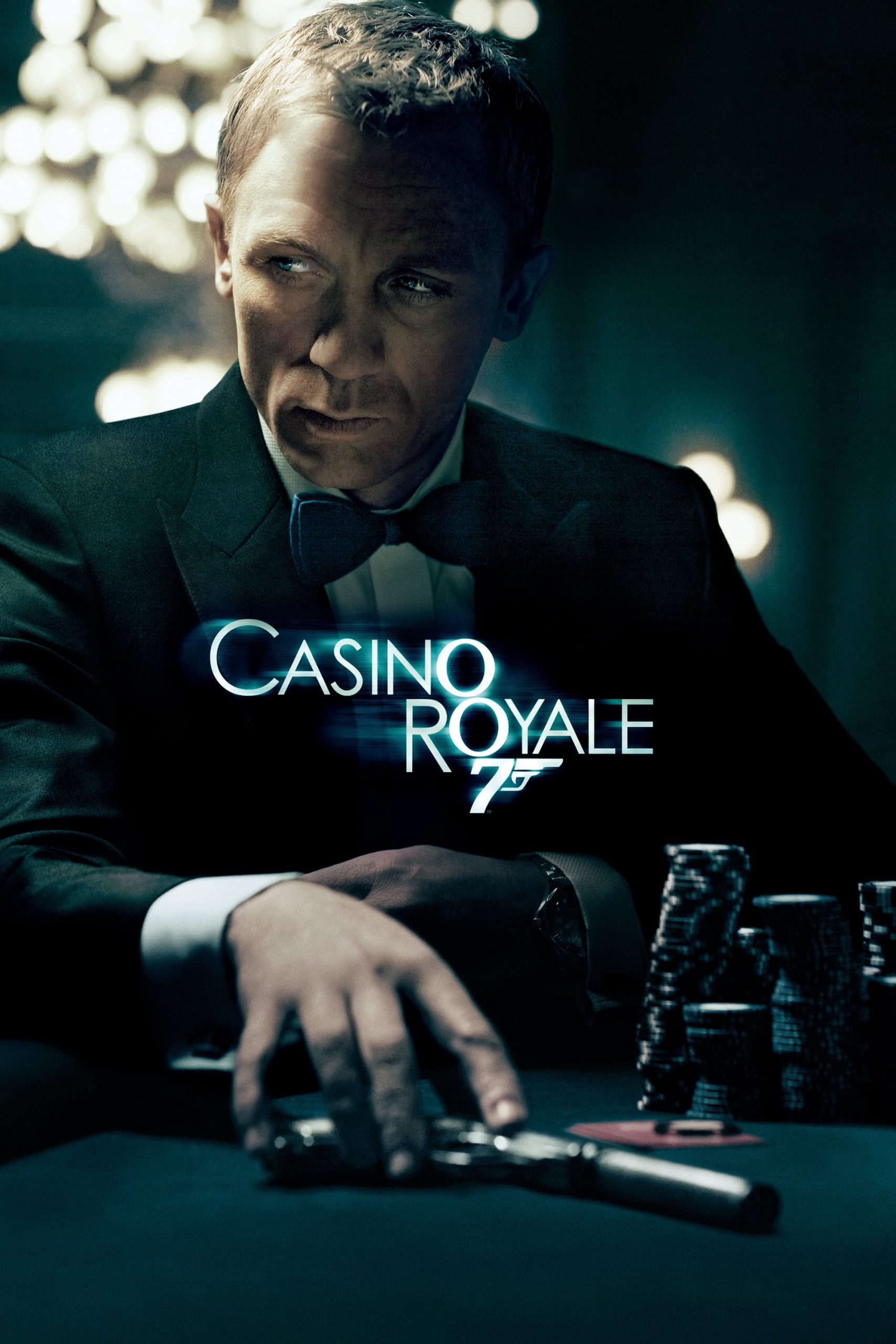
What the Film Is About
There are moments when a film slides beneath the skin, when its scenes seem stitched not only to the time and place it depicts, but also to the mythologies I’ve constructed about our world. Martin Scorsese’s Casino is one such work for me. As I watch its electrifying collage of colors and violence, power and delusion, I’m never lulled by glitz and bravado. Instead, each frame cracks open notions of control, of ambition, of what it means to be at the top of an empire built on sand. Ostensibly, the film explores the rise and unraveling of Las Vegas in the 1970s through the lives of three intertwined figures: Sam “Ace” Rothstein, Ginger McKenna, and Nicky Santoro. But beneath the surface, I find a meditation on obsession, the impossibility of mastery, and the space where love and destruction become indistinguishable.
I return to Casino not for its narrative plot, but for its mosaic of excess and entropy — a portrait of a city and a trio of souls who believe, even as evidence piles up to the contrary, that they’re in control. It’s a feeling both exhilarating and terrifying, because I recognize in these characters the same delusions that underpin much of modern life. Casino is not a cautionary tale so much as a diagnosis, dissecting the undercurrents of human need beneath all the noise, and laying bare the emptiness at the heart of unchecked ambition.
Core Themes
Whenever I engage deeply with Casino, I’m struck by how the specific context of 1970s Vegas becomes both a setting and a metaphor: the city as a dazzling, precarious illusion, built on the dreams and vices of its patrons, enforced by the rules of organized crime, and consumed by the compulsions of its creators. The film pulses with several interlocking themes, none more central than the tension between order and chaos.
- The Illusion of Control: Sam Rothstein might be the archetypal man who believes he can master fate. The casino is his controlled laboratory, and yet, the fundamental messiness of human nature forever outpaces his calculations.
- Obsession and Self-Destruction: I see each character wrestling with their own compulsions. For Sam, it’s his need for perfection; for Ginger, a desperate hunger for love and security; for Nicky, an addiction to power and violence. Their downward arcs read, to me, as inevitable outcomes of unchecked obsessions.
- Corruption of the American Dream: Vegas, the shining jewel in the desert, embodies both aspiration and rot. Built on optimism, liberty, and the pursuit of pleasure, it reveals the dark underbelly when systems of power are run by greed and fear.
- The Fraying of Love and Loyalty: What initially binds the central relationships soon corrodes. Love, within the world Scorsese constructs, quickly becomes indistinguishable from need and dependency, and loyalty succumbs to suspicion and betrayal.
- The End of an Era: Finally, for me, the film laments the fading of a particular moment in American history—a “Wild West” replaced by sanitized corporate hands, the outlaws replaced by executives. There’s nostalgia here, but a bitter, ironic kind; the freedoms lost were always just another form of bondage.
Symbolism & Motifs
Scorsese’s Casino deploys symbols and visual motifs with a meticulousness that echoes his protagonist’s worldview. But, as I’ve found on repeated viewings, the imagery always hints at the fragility beneath the surface.
- Mirrors and Reflections: The motif of reflection — in casino perfumes, hotel bathroom mirrors, even mirrored sunglasses — speaks to the characters’ self-delusions and duplicity. Each is trapped in an echo chamber of their own narrative, blind to the mounting wreckage.
- Jewelry and Money: Ginger’s obsessions revolve around material objects: diamonds, furs, stacks of cash. These trappings of success encircle her like chains, suggesting that the freedom she seeks is always just out of reach.
- The Desert: The arid, empty spaces beyond the glittering Strip are more than a backdrop. They symbolize both possibility and oblivion—where power is wielded (mob meetings, burials) and where those who lose the game are erased. The desert is the inevitable endpoint of Vegas ambition: finality disguised as expanse.
- Surveillance: Sam’s reliance on cameras and constant vigilance (the “eye in the sky”) conjures the illusion that nothing escapes control. Yet, the very act of watching breeds paranoia, and no surveillance can truly curb the randomness or treachery of human actors.
Key Scenes
Key Scene 1
The opening explosion, as Sam’s Cadillac detonates in a blinding fireball, sharply focuses the film’s spiral from the outset. For me, it’s arresting not solely for its violence, but because it frames the entire narrative as a memory—Sam’s recollection from the exact instant his world is shattered. The outward glamour of a Vegas lifestyle is incinerated, exposing the vulnerability that governs all subsequent events. This is the moment when the story’s illusions collapse, and I am forced to reconsider every character’s motives from the standpoint of inescapable destruction. The car, so carefully chosen and armored, proves useless against the chaos lying in wait. Power, the scene reminds me, is fragile, and fate arbitrary.
Key Scene 2
Ginger’s frenzied night at the bank, sneaking away with her daughter and a suitcase full of cash, is another moment that gnaws at me. Here is the raw consequence of love that curdles into mistrust and desperation. The layers of manipulation—Sam’s attempts to bind Ginger with gifts and constraints, Ginger’s own calculations, the lurking shadow of Lester—reach a fever pitch. Her escape is not a triumph, but an act of self-sabotage. I see in this sequence the film articulating a crucial idea: material wealth cannot salve the wounds of emotional need. Despite all her jewelry and privilege, Ginger flees in terror, navigating a city that once promised her everything. By the end of the scene, love and money are revealed as interchangeable currencies of anxiety, spent but never replenished.
Key Scene 3
The deeply discomforting sequence in the desert, where Nicky meets with Sam, stands out for its stark honesty. The shifting sands and brutal sunlight illuminate the fissures in their relationship: trust eroded by rivalry, loyalty frayed by ambition. In this barren expanse, cut off from the casino’s dazzling artifice, the violent subtext of their connection is made clear. What strikes me is how the vast emptiness functions as a sort of purgatory—no distractions from the hard truths each refuses to face. Nicky’s threats are not merely personal, but warnings of the system’s need to purge even its most faithful servants. The desert here isn’t simply a physical location, but a metaphor for reckoning and erasure — the fate awaiting all who think themselves indispensable.
Common Interpretations
Casino has drawn a spectrum of interpretations, many of which I can appreciate and sometimes wrestle against. Some see it primarily as a crime epic, dissecting the mechanics of the Mafia’s grip on Las Vegas. Others read it as a treatise on the end of an era—the outlaw days giving way to regulated, corporate dominance—and a meditation on capitalism’s inherent corruption. For me, these historical lenses are valuable, but I tend to focus more intently on the psychological and existential terrain.
A number of critics argue that Scorsese’s concern isn’t merely criminality, but the pathology of obsession itself. Watching Sam, Ginger, and Nicky, I recognize a pattern recurring across Scorsese’s body of work: the self-destructive pursuit of something just out of reach, and the inability to ever sit comfortably with success. In this view, Las Vegas is not only an oasis for gambling, but also a crucible for existential yearning: a city where everyone is betting more than they can afford to lose, not just with money, but with soul, love, and safety.
There’s also an interpretation that speaks to the fatalism of the American story. Casino charts both individual downfall and systemic shifts—the old order swept away by faceless new structures and the myth of personal sovereignty exposed as fantasy. Rather than glorifying the chaos, the film renders it as both exhilarating and squalid. The moral vacuum at its center is not so much an absence as a deliberate clearing, where ambition and desire reign supreme until, inevitably, the house wins.
Films with Similar Themes
I’ve often thought about how Casino sits within a constellation of films that chase the allure and ruin of American ambition. For those stirred by its blend of grandeur and misery, several others come to mind:
- Goodfellas: Scorsese’s other great crime chronicle, a fraternal twin to Casino in its exploration of loyalty, status, and the self-consuming logic of the criminal world.
- The Godfather series: Coppola’s epic saga examines similar themes of inheritance, ambition, and the moral compromises that corrode both families and institutions.
- Boogie Nights: Paul Thomas Anderson’s chronicle of the porn industry in the 1970s mirrors the rise-and-fall structure, as characters seek validation and purpose in an environment indifferent to human frailty.
- Scarface: De Palma’s feverish story of Tony Montana’s drive for the American Dream shivers with the same desperate hunger and guarantee of collapse.
- There Will Be Blood: Daniel Plainview’s journey obsesses over power and legacy, echoing Ace Rothstein’s own unraveling; both films treat American individualism as both triumph and curse.
What links these works is not only a fascination with crime or decadence, but an insistence on looking beneath the exteriors — questioning the possibility of contentment in worlds defined by appetite, and the emptiness that follows when the chips finally fall.
If you’re deciding what to watch next, you might also want to see how this film holds up today or how it was originally received.
🎬 Check out today's best-selling movies on Amazon!
View Deals on Amazon