
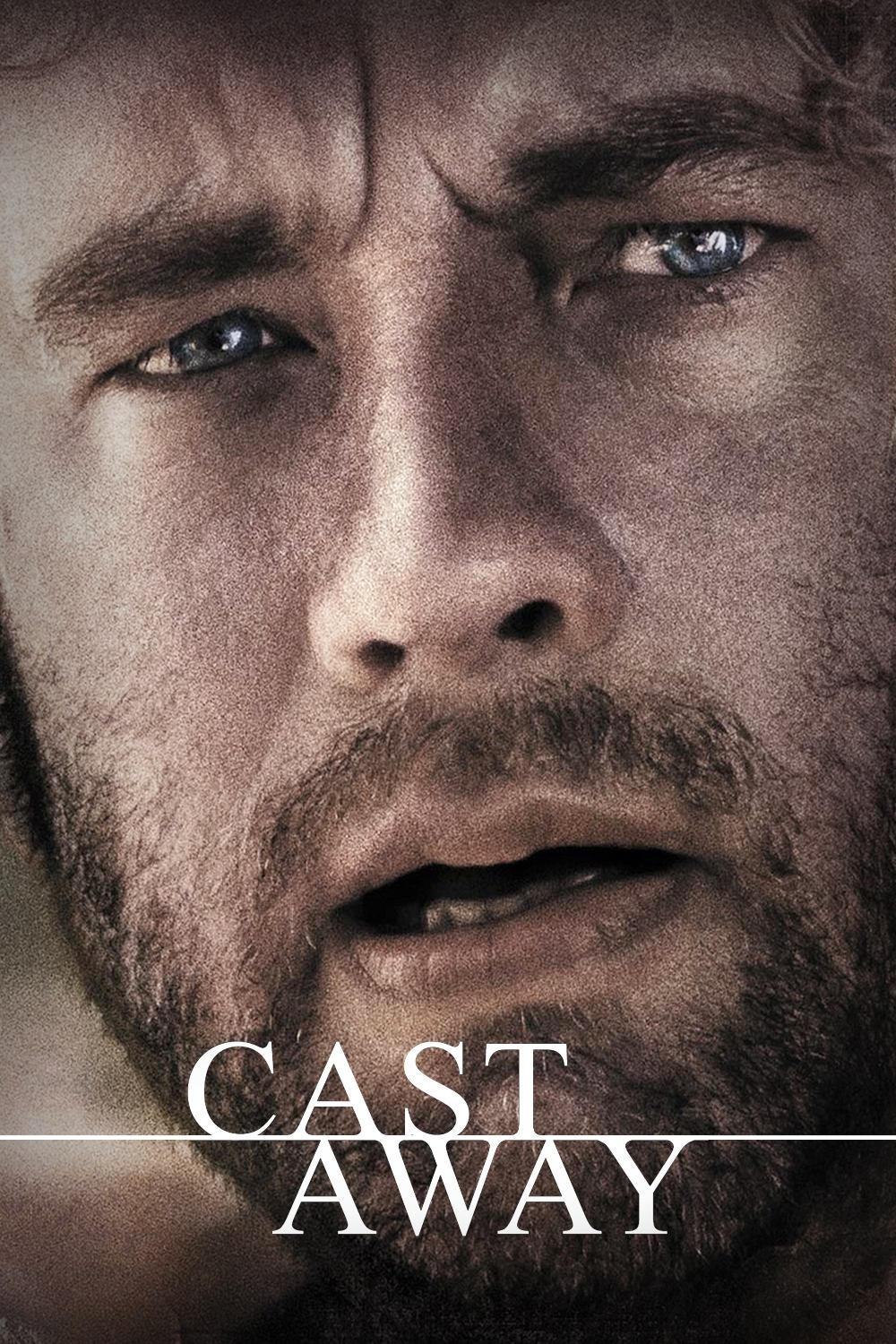
What the Film Is About
From the moment I first watched “Cast Away,” I sensed that the story went far beyond its survivalist premise. The film centers around a man left utterly alone, forced to confront not merely a deserted island but the desolation within himself. I have often pondered what it means to be truly isolated, and this movie compelled me to reconsider the boundaries between external survival and internal transformation. For me, “Cast Away” functions as both a physical odyssey and an existential trial, asking what remains of identity, purpose, and hope after everything familiar has been stripped away.
Unlike many adventure or disaster films, “Cast Away” veers away from spectacle toward a relentless focus on one man’s dialogue with silence—and with time itself. I found myself compelled not because of what happened to Chuck Noland, but because of how he endured, adapted, and ultimately, redefined what it meant for him to exist. My experience with the film was never about the mechanics of survival but about the deeper currents of loss, resilience, and discovery running beneath the surface.
Core Themes
As I reflected on the film, the most resonant theme by far was isolation—not merely as a physical fact but as an existential state. The movie forced me to ask uncomfortable questions about my own reliance on structure, routine, and connectivity. Chuck’s isolation peels away the banalities of modern life, exposing the raw nerve of human existence. I see this as more than a story about survival; it’s a case study in the psychology of being stripped of identity. When left alone, devoid of one’s social anchors and everyday roles, what remains?
Second, the theme of transformation emerges, particularly in the context of personal rebirth. Throughout his ordeal, Chuck isn’t merely surviving—he is also becoming someone new. I am struck by the profound shift his character undergoes: from a man obsessed with time and efficiency to someone who ultimately surrenders to the ocean’s rhythm and uncertainty. Where once Chuck’s worth was measured in productivity, now it’s measured in endurance, adaptation, and humility. I recognized in his journey the terrifying power and potential of radical change.
The third core theme that haunts me throughout the film is the will to live. There are moments where hopelessness seems absolute, and yet Chuck roots himself to existence through the tiniest acts—marking days, creating rituals, forming attachments, even to inanimate objects. This tenacious clinging to life, despite the absence of reason or assurance of rescue, stirs something primal. The film, for me, becomes a meditation on the irreducible stubbornness of hope.
Symbolism & Motifs
Among the many symbols in “Cast Away,” the unopened FedEx package stands out to me as the clearest. For Chuck, and for me as a viewer, it becomes a totem for purpose—something sacred and unchanging when all else falls away. The decision to carry the package through years of hardship reflects a need for meaning, however arbitrary, in the face of chaos. It’s as if carrying the box keeps part of Chuck’s former self alive, anchoring him to a promise he refuses to let dissolve.
Another motif, the volleyball named Wilson, strikes a personal nerve. Watching Chuck construct not just a face but an entire relationship with Wilson, I saw the desperate, adaptive genius of the mind to fill emotional voids. I don’t think of Wilson merely as comic relief; rather, Wilson emerges as an indispensable character in Chuck’s struggle with loneliness. Creating a companion out of found objects, Chuck confronts the boundaries that divide sanity from delusion, revealing the psychic toll of extended isolation.
Water itself becomes a pervasive symbol. It is both a prison and a source of possible salvation, reflecting Chuck’s own ambiguous relationship with fate. On the island, the ocean is a vast, indifferent barrier; in other moments, it carries the possibility of escape or transformation. Likewise, I see fire in the film as a symbol of self-actualization. The first time Chuck creates fire without matches feels not like a survivalist triumph but an existential epiphany—a return to the earliest achievement of humanity, reminding us of our old struggle to shape environment and destiny alike.
Key Scenes
Key Scene 1
One scene that never leaves me is when Chuck first successfully makes fire. The moment is chaotic, even joyous; Tom Hanks’ performance communicates an ecstasy that transcends simple relief. As I watch, I recall how rarely I consider my own dependency on technology and convenience—here, elemental success tastes like victory over extinction itself. Watching Chuck’s exultation, I’m reminded of the psychological power of agency, the nearly spiritual energy that arrives when, after exhaustive effort, we create something out of nothing.
Key Scene 2
I find even greater emotional depth in the wrenching farewell to Wilson. As Chuck loses Wilson to the sea, what ought to have been absurd strikes me instead as devastatingly real. The relationship with Wilson, a proxy for lost connections, is one of the purest metaphors for grief I have seen onscreen. The agony of letting go, of surrendering to the uncontrollable forces that sweep away those we love (even in proxy), rings with authenticity. In my own life, I’ve felt this: the ache of separation, the sharp, seemingly irrational pain of losing not just people but parts of myself through life’s relentless currents.
Key Scene 3
The final scene, when Chuck stands at a crossroads, epitomizes the film’s refusal to offer easy resolutions. Unlike the typical Hollywood arc, the conclusion resists closure. Chuck is free, but the world and people he loved have moved on without him. I feel the heavy toll of time—not merely the time lost, but the impossibility of returning to a self or life now outgrown. The final crossroads is not just literal, but existential: every direction represents both potential and loss. I leave the film not with answers but with questions, as the moment echoes in my own life’s uncertain choices.
Common Interpretations
Reflecting on popular readings of “Cast Away,” I have encountered a rich diversity of interpretations. Many see the film as a meditation on modern alienation, with the island standing for the psychological islands that separate us in contemporary society. This resonates with my own sense of how easily technology and routine can create invisible walls between us, despite apparent connection.
Others interpret Chuck’s journey as a classic mythic descent into the underworld—a death and rebirth cycle in which the protagonist sheds the trappings of civilization and emerges with renewed, if deeply scarred, wisdom. I often find myself drawn to the allegorical reading: the island becomes a crucible where the essentials of the human spirit are tested and either forged or destroyed.
I have heard viewers reflect on the film as a critique of consumerism and the fetishization of work. Chuck, an employee defined by schedules and efficiency, is thrown into an environment where timekeeping becomes meaningless. This forced confrontation with timelessness, for me, raises questions about how we construct meaning and whether our modern priorities obscure what truly matters. In these interpretations, the unopened FedEx package can be read as a symbol for the arbitrary quests we assign ourselves to survive the chaos of existence.
Films with Similar Themes
My personal journey with “Cast Away” urged me to revisit other films that probe isolation and transformation. “Life of Pi” comes immediately to mind, with its own focus on a single survivor grappling with both physical challenges and the existential mysteries of existence. I find “All Is Lost,” starring Robert Redford, similarly profound; it strips away virtually all dialogue, leaving only one man’s battle against nature and self-doubt, a meditation on mortality and resilience not unlike Chuck’s ordeal.
I’m also reminded of “127 Hours,” where survival is equated with psychological as much as bodily endurance. Though the settings differ, each film asks what it means to resist despair, what resources emerge when we are forced out of our routines, and how our very selves are reconfigured by adversity. Even “The Martian,” though leavened by wry humor and set on Mars, channels the same fundamental questions about ingenuity, resourcefulness, and the core instinct to persevere.
Among classic works, “Robinson Crusoe” and “Swiss Family Robinson” share surface-level similarities, but what distinguishes “Cast Away” for me is its relentless focus on the inward journey, where escape is not the final victory but the beginning of a new, uncertain odyssey.
For more context before choosing your next film, these perspectives may help.
🎬 Check out today's best-selling movies on Amazon!
View Deals on Amazon