
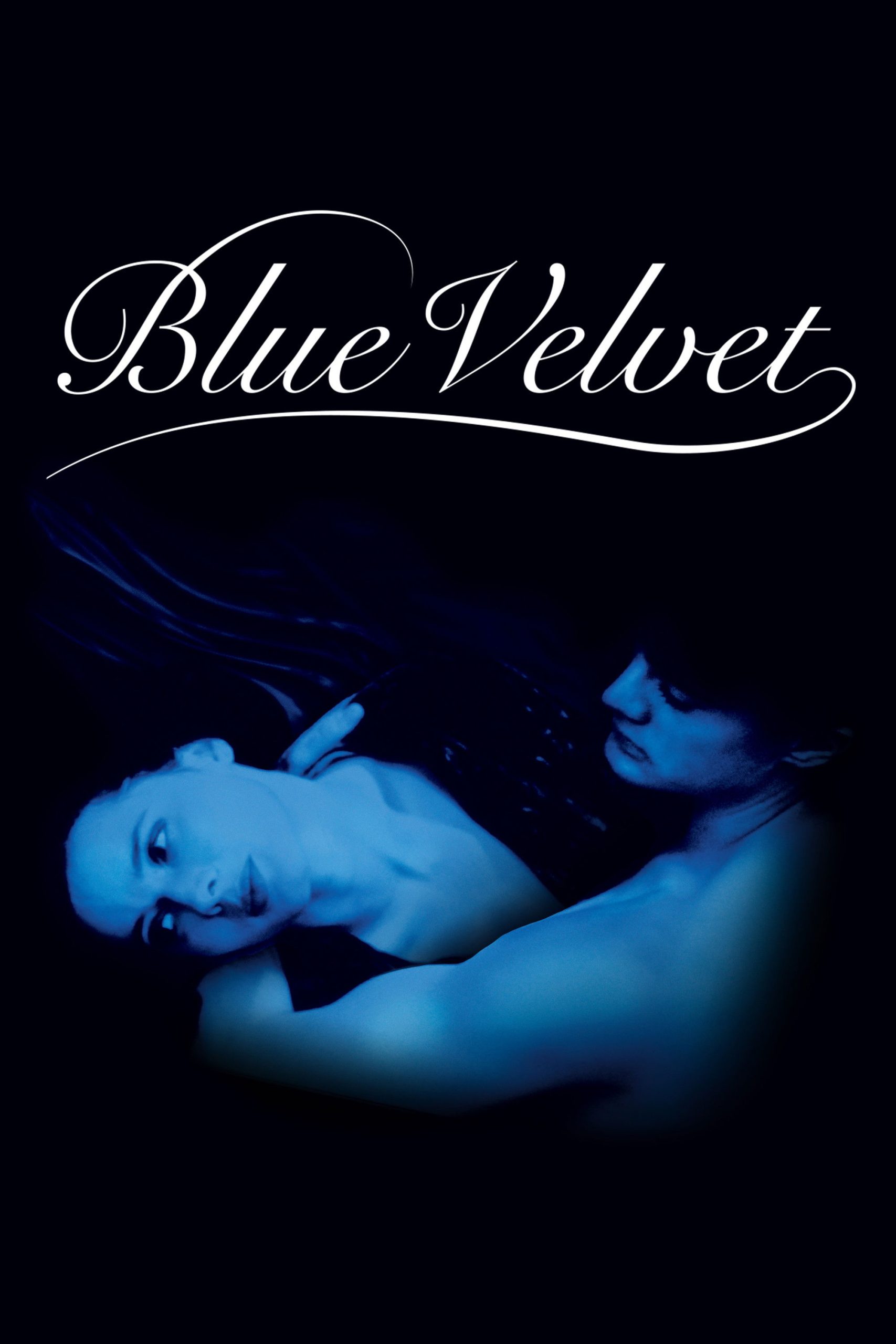
What the Film Is About
The very first time I experienced “Blue Velvet,” I felt as though I’d peered beneath the manicured lawns and pastel houses of small-town America and stumbled into a world at once alluring and terrifying. For me, the film works like a fever dream—one in which innocence is constantly threatened by something feral lurking just beneath the surface. At a high level, I found the emotional journey to be about a young man’s confrontation with the darkness that exists both in others and, more disturbingly, in himself. In tracing his movement through worlds of sunlight and shadow, the film creates a persistent tension—one that I felt in my bones between curiosity and dread, desire and repulsion.
I see the central conflict revolving around the struggle to reconcile the idealized image of home and community with the raw and sometimes brutal truths that lie hidden away. What pulled me through the narrative wasn’t just suspense or a mystery to solve—but a psychological gravity gently forcing the protagonist, and by extension me as a viewer, into the heart of a moral and existential labyrinth. I was left to ask where, if anywhere, innocence can be preserved when evil is not just an external threat but an inescapable part of existence.
Core Themes
When I reflect on “Blue Velvet,” what leaps out to me is its singular interrogation of duality. I saw the film as a fragmented fairy tale—one that slices through the illusion of harmony to expose the violence and longing underpinning everyday life. There’s a constant push and pull between surfaces and what hides beneath: order versus chaos, purity contending with corruption, love locked in a grim embrace with obsession.
For me, the strongest theme is the uneasy coexistence of innocence and depravity. The characters aren’t static stand-ins for “good” and “evil”—instead, I watched each one brush up against the borders of their own morality, sometimes crossing over in ways both subtle and seismic. In the world of the film, there’s a sense that no amount of manicured lawns or pleasantries can erase the reality of trauma, abuse, and lust that echoes in the shadows. This was especially relevant in the mid-1980s—a time when suburban America was often portrayed as idyllic, even as cultural undercurrents were beginning to question that ideal. Watching this now, I’m struck by how current those anxieties still feel: What does it mean to aspire to decency in a world that consistently refuses to cooperate?
There’s also a rich vein of curiosity and risk—how venturing into the forbidden can lead to both revelation and danger. I found the exploration of voyeurism particularly unnerving, as the characters’ desire to know more leads them to become complicit in the darkness they “accidentally” uncover. Privacy, I realized, is just as illusory as safety, with each character exposing or invading the psychic territory of another. Underlying everything, there’s the painful truth that desire—for knowledge, for love, for escape—carries a cost.
Symbolism & Motifs
One of the most provocative aspects of “Blue Velvet” for me is its dense web of symbols and motifs. These are not just sprinkled throughout for style—they’re woven into the film’s DNA. The titular blue velvet, for example, operates as a kind of talisman. I interpret it as emblematic of hidden longing and the seductive allure of what is concealed. The fabric is both sensual and suffocating, a stand-in for both comfort and peril.
The discovery of a severed ear doesn’t simply kick off the plot; it sets the tone for the entire film. To my mind, the ear becomes a grotesque reminder of how listening—and, by extension, knowing—means exposing oneself to horror as well as beauty. Sound, in general, is treated as a medium for both communication and invasion. I found myself acutely aware of the way the film uses music (from the syrupy nostalgia of old pop songs to the droning unease of its score) to juxtapose moments of calm with scenes of menace.
Light and shadow become visual motifs that echo the narrative’s moral ambiguity. Sunlit scenes hum with a sense of enforced normalcy, while darkness is always just around the corner, threatening to swallow everything whole. The recurring images of insects and decay crawling beneath ordinary surfaces crystallized, for me, the film’s assertion that rot and delight live side by side. Even the setting—small-town Lumberton—functions as a character, its white picket fences and red roses so stylized they seem both real and faintly unreal. I see these motifs not just as decorations, but as invitations for the viewer to look twice at what seems most familiar.
Key Scenes
Key Scene 1
For me, the moment Jeffrey kneels to examine the severed ear he’s discovered stands as one of the film’s most profound images. There’s a childlike curiosity to his gesture—a desire to understand, to reach inside the unknown. But that curiosity quickly bends toward dread. I interpret this scene not as a mere inciting incident, but as a visual metaphor for the risks of seeking forbidden knowledge. We’re reminded that opening oneself to secrets comes at a price; the ear, separated from its owner, is a symbol of both violated privacy and the impossibility of remaining untouched by what one uncovers. It’s as if the entire film grows from this sensory wound.
Key Scene 2
Some of the most disturbing insights come, for me, in the sequences between Jeffrey and Dorothy Vallens. One scene, in particular, stands out: Jeffrey hiding in Dorothy’s closet, witnessing how she endures and survives abuse at the hands of Frank Booth. The invasion of her space becomes inseparable from the invasion of her pain. This isn’t voyeurism played for titillation—what struck me was how complicit I felt, unable to stop what was happening yet unable to look away. The film forces the audience, alongside Jeffrey, to ask how far one will go to satisfy curiosity, and at what ethical cost. I felt Jeffrey’s transformation most acutely here—not just as a witness, but as someone indelibly marked by what he’s seen. This scene, for me, is a dark mirror, reflecting the moral knots at the heart of both the film and the viewer.
Key Scene 3
Near the film’s end, after chaos has erupted and the story seems to tie itself into a suburban bow, I’m left wrestling with the infamous image of the robin perched outside the window. The cheerful scene of family reunion and sunlight could pass for a happy ending in another film, but I can’t help but sense the irony. Earlier, the robin was suggested as a harbinger of love’s triumph over darkness, yet the artificiality of its arrival—almost too perfect, practically a plastic toy—casts doubt on the authenticity of this peace. For me, the final scene is a brilliant last wink: it’s both comforting and deeply unsettling, posing the unanswerable question of whether happiness is a genuine reality or merely another role we play. The darkness, I feel, is never truly banished; it simply slips back beneath the surface, waiting for another crack to appear.
Common Interpretations
When I talk with others about “Blue Velvet” or read critical conversations that have grown around it, certain readings are almost inevitable. Many agree with my sense that the film is, at its heart, an exploration—and an interrogation—of American innocence. The “dark underbelly” interpretation is the most pervasive: that beneath every picturesque suburb lies violence and corruption, and that acknowledging this is itself an act of maturity. Some critics highlight the Freudian texture of the story, framing it as a coming-of-age ritual profoundly shaped by (and critical of) repression, desire, and fear.
Others have argued that “Blue Velvet” is primarily a satire—less a straightforward thriller than a mischievous takedown of Hollywood’s sanitized vision of small-town life. I see validity in both readings, and in fact, much of the movie’s power comes from its refusal to settle into one neat category. For some viewers, the film is about the power of love to redeem and restore, however imperfectly. For others, it’s a nihilistic vision in which attempts at healing are as artificial as the robin perched on the windowsill. I’ve always been drawn to a hybrid view: that the film is a meditation on the impossibility of separating light from shadow, and that its greatest gift is in refusing to reassure us otherwise.
There are also interpretations that focus on gender and sexuality, pointing out how the story exposes—and complicates—traditional ideas of masculinity and femininity. The power dynamics between Jeffrey, Dorothy, and Frank often provoke passionate debate about agency, complicity, and victimhood. I myself find these questions more intriguing than easily answered, lingering in the film’s gray areas instead of resolving into easy moralizing.
Films with Similar Themes
- Vertigo (1958) – I’m often reminded of Hitchcock’s psychological thrillers, and “Vertigo” in particular, for its depiction of obsession and fractured identity under the surface of romantic longing.
- American Beauty (1999) – Like “Blue Velvet,” this film dives into the cracks in suburban life, unearthing buried anxieties and hidden desires amidst seemingly perfect facades.
- Donnie Darko (2001) – This film channels a similar unease, blending suburbia’s surface order with surges of darkness, psychological disturbance, and the uncanny.
- Mulholland Drive (2001) – As another fevered vision from David Lynch, this film continues many of the same motifs: dream logic, fractured identity, and the dangerous allure of forbidden knowledge.
Ultimately, what I take from “Blue Velvet” is a hard-won insight into the textures of human nature and collective denial. The film doesn’t simply tell me that evil exists alongside goodness—it makes me feel the endless friction between the two, and asks me to live inside that discomfort for the duration of its story. I find it a profound meditation on the limits of innocence, the costs of curiosity, and the impossibility of separating ourselves from the worlds we would rather not see. The era in which it was made comes through loud and clear—a moment obsessed with appearances, straining to keep life’s messiness at bay. But perhaps the reason I keep coming back is that the film refuses final answers, offering instead a haunting vision of reality in which every surface conceals a secret, every solution breeds a new question, and every attempt at healing is, at best, an act of fragile hope.
For more context before choosing your next film, these perspectives may help.
🎬 Check out today's best-selling movies on Amazon!
View Deals on Amazon