
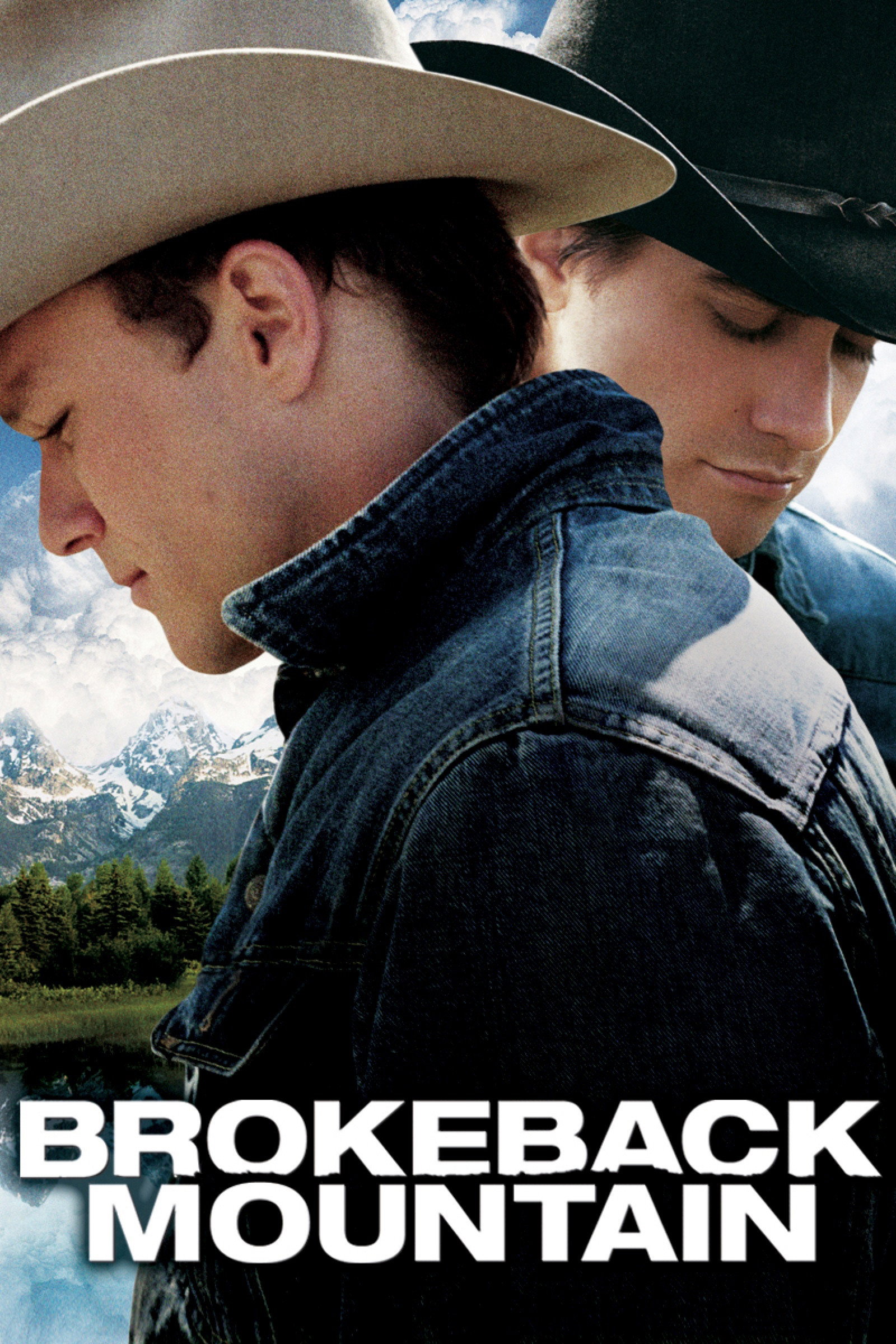
Sometimes a story stays with me not just for what it says, but for what it holds back—a glimmer, an ache, a pause before words. For me, “Brokeback Mountain” is that rare film that dares to remain painfully open, its longing and regret caught between the mountains and the unyielding social landscape of rural America. Watching it, I felt less like a bystander and more like a participant swept up in the vulnerability and isolation that shape the film’s two central figures. My own responses have lingered for years, refusing tidy moral lessons. Instead, what tugs at me most is how the film quietly interrogates love’s power and its persistent vulnerability to time, place, and fear.
What the Film Is About
At the root, “Brokeback Mountain” isn’t simply a love story but an examination of the places where love is forced into secrecy and silence. The film follows Ennis Del Mar and Jack Twist, two young men who meet while herding sheep on the titular mountain in Wyoming during the early 1960s. The landscape seems endless, but their world is narrow, hemmed in by the social realities of rural Americana and the expectations of masculinity. Their romantic and sexual connection, deeply felt and fiercely denied, sets off a lifelong tether—one stretching through years, marriages, children, and the slow, aching erosion of time.
What I find so penetrating about “Brokeback Mountain” is how it moves beyond its ostensible plot—the secret relationship and the ensuing heartbreak—to carve out a space for viewers to reflect on their own ideas about love, loneliness, repression, and loss. The film uses sparseness and silence not to obscure meaning but to sharpen it. Watching Ennis and Jack grapple with feelings that can never fully be named or lived, I’m struck by how heartbreak is rendered ordinary, settling into the grooves of daily life.
Core Themes
The ideas that course through “Brokeback Mountain” feel as vast and elemental as the Wyoming scenery. The dominant theme, for me, is the tension between authenticity and survival—a question I’ve grappled with in my own life, even if in far less stark terms. The film’s heartbreak isn’t just about doomed romance; it’s about the cost exacted by denying oneself, by living within the iron cage of expectation.
- Societal Repression and Masculinity: Early 1960s America, especially in rural communities, was defined by rigid gender roles and a narrow vision of heterosexual normativity. Ennis and Jack’s struggle isn’t simply internal; it’s conditioned by the ever-present, often violent, dangers of being discovered. Their choices—fraught silences, denied happiness, fractured intimate lives—make visible the real violence wrought by cultural repression.
- Love and Longing in the Face of Fear: Over and over, I return to the film’s rendering of yearning. Ennis and Jack’s love is rarely safe; it is constantly under threat, never able to speak its name in any lasting, public way. Longing becomes a way of life—a presence as steady as the Wyoming wind.
- The Passage of Time: The film traces two decades of Jack and Ennis’s tangled relationship. This extended span allows us to witness the erosion of possibility, the way deferred dreams calcify into regret. Time is both an enemy and a witness—never redeeming, only measuring loss.
- Isolation and Incommunicability: The inability to fully communicate one’s interior world—especially in the face of enormous personal risk—forms a devastating leitmotif. Ennis is especially mired in silence, his guardedness reflecting deep-seated fear and trauma. The gulf between what can be said and what is endured alone is vast and painful.
The film weaves these themes together, leaving behind a tapestry not of answers but of jagged, unforgettable questions.
Symbolism & Motifs
Ang Lee’s direction is subtle in its use of imagery, but I find the film thick with symbols—alive with objects, settings, and gestures freighted with meaning.
- The Mountain Itself: Brokeback Mountain is both haven and prison. On one hand, it is the site of freedom—where Jack and Ennis can be themselves, shielded from the world’s eyes. On the other, it’s a temporary sanctuary, unreachable in the context of daily life. The cyclical returns to Brokeback serve as bittersweet reminders of what might have been and what can never fully exist outside this isolated space.
- Clothing and Keepsakes: The rugged shirts that Ennis finds late in the film, stained and folded together, act as a totem of lost connection and love. Their careful preservation, secreted away in a closet, echoes the lifetime of concealment both men have endured. For me, these shirts become a metonym for memory, loss, and an alternate history that cannot be publicly claimed.
- Weather and Landscape: Ang Lee films the Wyoming vistas not simply as backdrop, but as emotional territory. The shifting seasons—snow, rain, pale summer sun—mirror the internal states of the characters. Isolation, harshness, fleeting beauty: the terrain is both obstacle and mirror for Jack and Ennis’s private world.
- Silence and Unspoken Words: Recurring silences are not empty, but filled with danger and longing. In these pauses, I sense whole stories—what is not said weighs as heavily as what is. The language of looks, hesitations, and unshed tears becomes a motif of communication under erasure.
Key Scenes
Rather than offering encyclopedic plot summaries, I want to focus on the ways three scenes in particular concentrate the film’s meanings for me. Each foregrounds a different facet of what makes “Brokeback Mountain” so emotionally devastating and thematically rich.
Key Scene 1
Their first physical intimacy on Brokeback is jarring in its immediacy. For me, it’s not eroticism per se that’s at the heart of this scene, but desperation—the sense that both men are teetering on the brink of discovery both by others and by themselves. There’s a quality of necessity to their embrace that’s less about lust and more about psychic survival. In the fierce grip of that cold night, with danger on all sides, I see how repression can erupt in a moment of fragile, all-consuming honesty. The awkwardness, the violence, the wordless negotiation: all serve to destabilize received narratives about romance. Afterward, neither man can name what has happened, and yet everything has changed. I remember holding my breath, realizing that the fissures opened up here are not easily closed.
Key Scene 2
The reunion scene, four years later, when Jack and Ennis meet again outside Ennis’s home, remains for me one of the most intense onscreen depictions of longing I have ever witnessed. Their passionate embrace, stolen behind a corner, is reckless; it teeters on the edge of being found out. The decades have not dulled their connection but made its impossibility even more acute. What strikes me is how time has sharpened their need, how the pressures of their respective domestic lives have, paradoxically, made this brief reunion all the more charged and dangerous. Alma, Ennis’s wife, witnesses their embrace—her silent devastation underscoring the collateral damage of secrets kept. I feel, here, the incredible price paid by not just the lovers but by all intertwined lives. The scene exists at the crossroads of desire and consequence.
Key Scene 3
The film’s final scene, in which Ennis discovers Jack’s shirt and quietly grieves, devastates me on every rewatch. In that small, dim trailer, the weight of years is palpable. The shirts, entwined and hidden away, encapsulate not only love and memory but regret—a tangible marker of what has been lost through fear and deferral. Ennis’s muted weeping, his whispered promise—”Jack, I swear…”—feels like a belated avowal, simultaneously a mourning and a desperate attempt to salvage meaning from the ashes of possibility. The silence, the sparse setting, the intimacy of the gesture—these crystallize the film’s core message: that love denied is not love erased, that it leaves stubborn, haunting traces.
Common Interpretations
Over the years, I have encountered fiercely divergent readings of “Brokeback Mountain.” Some see it primarily as a gay romance, a watershed for LGBTQ representation in mainstream film. Others argue that its power lies in its universality—the sense that anyone, regardless of sexual orientation, can be trapped by circumstance or fear. For me, while the film’s queer context is indispensable, I also see it as a broader tragedy about the price of hiding, about how intimacy can be both sanctuary and prison when society will not make room for difference.
Many critics have focused on the film’s refusal to indulge in fantasy or happily-ever-after resolutions. There is no escape, no cleansing act of rebellion, no neat closure. This interpretive discomfort, I think, is crucial. The film’s realism—the inexorable passage of time, the loss, the bitter compromise—compels us to recognize the ways in which societal structures warp lives, enforcing not only public conformity but private heartbreak.
Another common thread in critiques is the film’s engagement with masculinity. Ennis and Jack aren’t just two men in love; they are cowboys, figures freighted with American myth. Their struggle destabilizes, for me, the mythos of the cowboy as rugged individualist, revealing instead deep vulnerabilities and the cost of emotional repression. To watch them grapple with an identity they cannot safely claim is to see how iconic forms of masculinity are themselves brittle and impoverished when rendered in isolation and fear.
Films with Similar Themes
- “Call Me by Your Name” (2017): Another film about forbidden love, though set in a different time and place. What connects them, for me, is the bittersweet sense of longing and the examination of how place and age shape our feelings. Both films foreground memory and regret alongside passion.
- “Moonlight” (2016): This film’s tripartite structure and elliptical storytelling echo “Brokeback Mountain’s” attention to the passage of time and the costs of silence. I’m always moved by how both films consider intersectional identities—race, sexuality, class—and how love must navigate these complex terrains.
- “Carol” (2015): While centered on a different era and a lesbian romance, “Carol” shares with “Brokeback Mountain” a preoccupation with longing, secrecy, and the tiny gestures through which love finds expression in hostile social climates.
- “God’s Own Country” (2017): This British film, often compared to “Brokeback Mountain,” depicts rural queer relationships with similar rawness and attention to economic hardship and landscape as silent character.
Each of these films, like “Brokeback Mountain,” lingers with me for the way they treat love not as a mere feeling but as an ongoing risk in a world determined to shame difference.
If you’re deciding what to watch next, you might also want to see how this film holds up today or how it was originally received.
🎬 Check out today's best-selling movies on Amazon!
View Deals on Amazon