
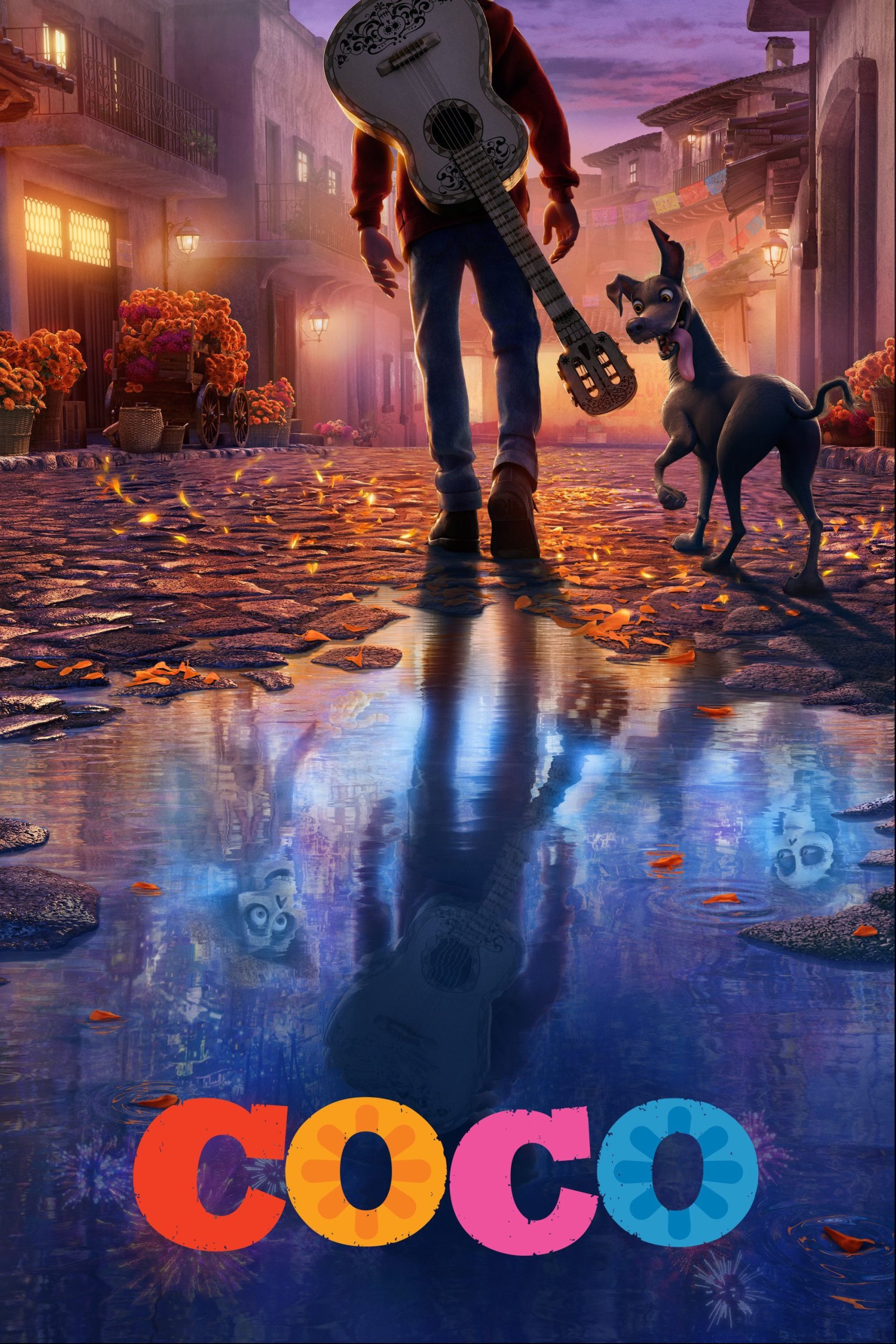
The first time I saw “Coco,” I couldn’t hold back the tears. Sitting in the dark, surrounded by families clutching popcorn and children wide-eyed at the explosion of color, I found myself utterly swept away. Yet my reaction went far beyond delight at its animation or music; what hit me most was the haunting way the film made me reconsider what it means to be remembered, to seek one’s roots, and to carry the stories of those who came before. Some films dazzle, others entertain, but ‘Coco’ climbs quietly inside you, whispering questions about identity, loss, and the fragile chains of memory that hold families together.
What the Film Is About
‘Coco’ centers on the journey of Miguel Rivera, a young boy in a small Mexican village whose family has banned music for generations. His yearning to break free and embrace his passion leads him to the Land of the Dead during Día de los Muertos. On the surface, it’s the story of a quest: Miguel’s attempt to seek permission from his ancestors to carve his own path. Yet what unfolds is much deeper—a meditation on generational wounds, the power of traditions, and the eternal hunger to be seen and heard by one’s kin. Through a tapestry of vibrant visuals and moving melodies, the movie intertwines the past and present, echoing how personal legacies are created, upheld, and even healed through remembrance.
Core Themes
What continually strikes me about ‘Coco’ is the multitude of interwoven themes that it presents, many of which resonate on both a collective and intensely personal level. Foremost among these is memory. The film’s worldbuilding transforms memory into a tangible force; in the Land of the Dead, you persist only as long as you are remembered by the living. This unsettling idea proposes a kind of second mortality, a disappearance that comes not with death but with oblivion. It made me reflect on how memories—however fragmented or cherished—form the core of who we are, both as individuals and as members of a family.
Hand in hand with memory goes the theme of legacy. ‘Coco’ doesn’t simply observe how the past informs the present, but rather interrogates what it means to inherit pain and possibility alike. Family lore, traditions, even secrets—these echo down generations, often shaping our choices in ways we barely notice. Miguel’s struggle to express his musical talent is not just a personal desire but a clash with inherited trauma, stemming from the story of a long-lost ancestor. That sense of familial expectation can be at once suffocating and redemptive, a dual force I’ve wrestled with in my own life.
Alongside these currents is the film’s fierce advocacy for forgiveness. The older I get, the harder it becomes to ignore the layers of misunderstanding and pride that can calcify within families. ‘Coco’ positions forgiveness—of others and oneself—as the one thing capable of bridging the chasm between generations. It neither trivializes the pain of betrayal nor romanticizes reconciliation; instead, it charts the slow, uncertain process of rediscovery and empathy.
Dovetailing with all of this is the celebration of cultural tradition. The film’s loving depiction of Día de los Muertos not only serves as a visual spectacle, but deepens the thematic push and pull between honoring one’s heritage and staking out a place in the present. In a world where roots can be an anchor or a restraint, ‘Coco’ invites us to weigh what we sacrifice and what we preserve.
Symbolism & Motifs
‘Coco’ is lush with symbolism, and the more I have dwelled on the film, the more clearly I see how each visual motif is a signpost guiding viewers to some deeper meaning.
- The Marigold Bridge: The glowing marigold petals that unite the living and the dead form more than just a pretty path. In Mexican culture, marigolds are believed to guide spirits home, an idea that ‘Coco’ transforms into a literal bridge. To me, it’s not simply a passage between worlds, but a metaphor for connection—between past and present, between longing and belonging, between who we think we are and where we truly come from.
- Photographs on the Ofrenda: The family altar, or ‘ofrenda,’ displays portraits of ancestors. A loved one’s absence from this altar dooms them to ‘the final death’—being forgotten. Photographs here symbolize not only remembrance but conditional immortality. The presence or absence of a face crystallizes the heartbreaking truth that memory can be a lifeline or a cruel erasure, a motif that makes me consider how I memorialize my own ancestors and what stories get passed down or lost.
- Music: Music isn’t just Miguel’s passion; it becomes the thread that entwines generations, disrupts silence, and heals fractured bonds. The guitar, dusted with marigold petals and painted with intricate skull motifs, tempers the idea that art is both a rebellion and a bridge.
- Skulls and Skeletons: The playful appearance of skeletons, rendered with warmth and humor, subverts Western narratives around death. In ‘Coco,’ death is not tragedy or menace, but another phase in which one can laugh, cry, and love. The ubiquitous skull motif (calaveras) serves as a reminder that death need not be feared but understood as continuation—provided that remembrance endures.
Weaving through these motifs is the constant reminder that personal and collective identity are layered, shifting, and deeply embedded in those who came before. I find this slow revelation to be among the film’s most profound gifts.
Key Scenes
Key Scene 1
The first key scene that unsettled and moved me takes place early in the Land of the Dead. Miguel, desperate and alone, is confronted with the dizzying bureaucracy and playful chaos of a world where ancestors jostle for attention. He learns that without a photograph on the ofrenda, the dead are doomed to fade away. In a moment that feels both fantastical and intimate, a forgotten uncle vanishes as his memory in the real world disappears for good. That scene reshapes the stakes instantly: this isn’t just about crossing realms, but about the mortal terror of being erased from memory itself. Watching this, I couldn’t help recalling elderly relatives whose photos grew faded, whose stories—once vivid—slipped away over time. How many stories disappear with each generation?
Key Scene 2
The film’s emotional centerpiece arrives when Miguel sits with Mamá Coco, his elderly great-grandmother, who is slipping away into the fog of memory loss. After a tumultuous journey, Miguel plays “Remember Me” on the guitar. The act is more than performance; it is a resurrection. As Coco recognizes the melody, a flood of remembrance returns, binding together lost father and daughter, present and past. This moment landed in my heart like a stone tossed into a still pond, creating ripples years later. It asks: when language and memory fail, can love survive and redeem? Can music or ritual bring back what time erodes? For me, it underlines the sacredness of cherishing and invoking memories, especially as I witness the fading lucidity of my elders.
Key Scene 3
Finally, the film’s closing moments—where the family gathers to place both Héctor’s and Coco’s photographs on the ofrenda—gripped me with a mixture of relief and mourning. Here, the work of forgiveness is enacted not through grand speeches, but through the humble act of remembrance. The generational fracture is at last healed, not by denying the past, but by honoring and integrating it. The altar becomes an emblem of both grief and celebration, a space where wounds can coexist with love. To me, this offers a blueprint for family healing: the courage to remember honestly, to allow both suffering and joy to sit side by side.
Common Interpretations
‘Coco’ has become a touchstone for discussions about representation, cultural authenticity, and the universal themes of family. Many viewers see the film as a love letter to Mexican culture, particularly for its respectful portrayal of Día de los Muertos, and I find it deeply meaningful that Pixar undertook significant efforts to get details right. For others, the focus is more philosophical: the film as parable about confronting mortality, legacy, and intergenerational trauma.
Some have interpreted ‘Coco’ as an argument against individualism, or a gentle critique of Western conceptions of the self. Whereas many animated films champion the journey toward self-discovery through breaking family ties, ‘Coco’ recognizes the value of community, ancestors’ wisdom, and the need to reconcile personal longing with collective history. This contrast is especially poignant for me as someone often pulled between independence and familial expectation.
Another common thread in readings of the film is its exploration of grief, memory loss, and even dementia. The character of Mamá Coco resonates deeply with those who have witnessed the slow fading away of a loved one’s mind. For viewers like myself, the story becomes not only a fantastical journey but a meditation on the ache of watching those we hold dear recede from us, and the bittersweet effort to hold onto their presence before all that is left are songs and half-remembered faces.
Films with Similar Themes
While ‘Coco’ feels unique in setting and texture, I see its thematic kinship with several films that approach the complexities of memory, loss, and the ties that bind.
- The Book of Life (2014): Another animated film centered on Día de los Muertos, this movie explores the tension between family expectations and personal dreams, employing a similarly vibrant visual language and respect for cultural tradition.
- Ratatouille (2007): Though set in a different context, this Pixar entry delves into what it means to defy familial pressure in pursuit of an authentic life. The inheritance of gifts and the power of remembering where you come from are delicately rendered themes here.
- Inside Out (2015): This film’s internal landscape of memory and emotion complements ‘Coco’s’ concerns with how memories shape identity, especially in the face of loss or change. Both films treat memory not as a passive archive, but as a living, shaping force.
- The Lion King (1994): The cry to “remember who you are” echoes in both stories. In ‘The Lion King,’ Simba comes to terms with the weight of his past, while ‘Coco’ honors legacy not just as burden, but as gift.
- Encanto (2021): More recent but worth noting, this explores generational wounds and the challenge of finding oneself within the framework of family expectation and longstanding trauma, echoing many of the beats ‘Coco’ strikes so gracefully.
Each of these films, in their own way, investigates the messy negotiation between honoring the old and embracing the new, blending the universality of longing for acceptance with the specificity of cultural roots.
If you’re deciding what to watch next, you might also want to see how this film holds up today or how it was originally received.
🎬 Check out today's best-selling movies on Amazon!
View Deals on Amazon